



Born in the late 19th century along the lower Ishikari River in western Hokkaido, where the river ran so thick with autumn salmon that fishermen built communal pots on the bank to cook the catch with whatever vegetables were close. Miso came in because Hokkaido winters demanded calorie density. The dish formalized in the town of Ishikari around the Meiji period and now stands in for Hokkaido home cooking.
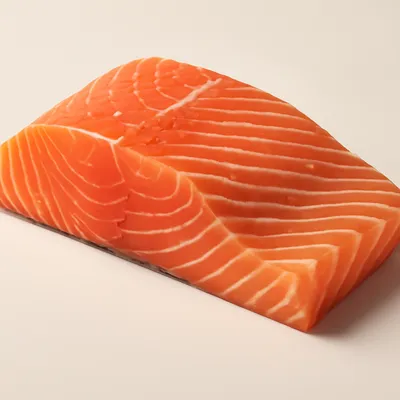
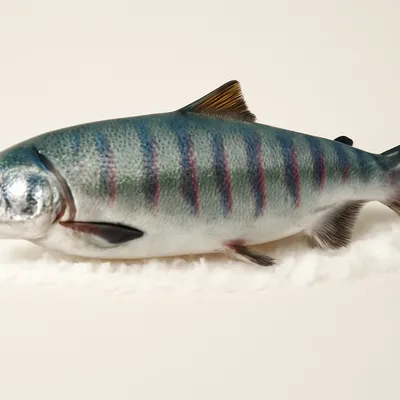
Late-19th-century Ishikari River, western Hokkaido — fishermen built bank-side communal pots when autumn salmon ran thick. Pacific chum (akizake) is the traditional fish; bones and skin go in for stock body. Salmon hits the pot in the last 5–7 minutes only.
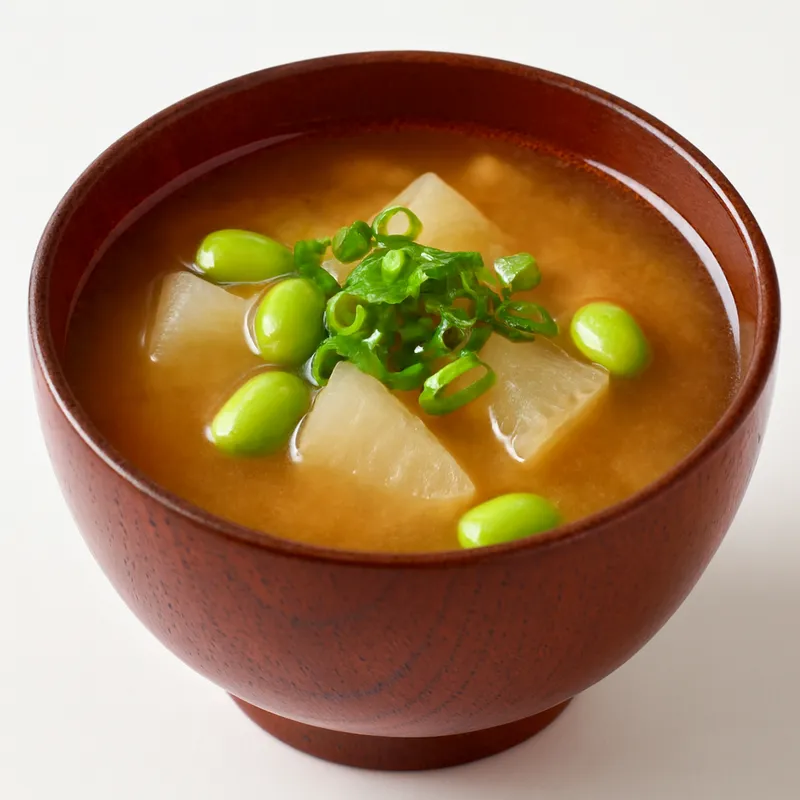
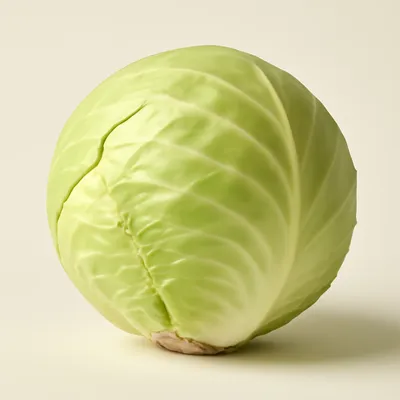
A communal earthenware pot bubbling at the table: chunks of salmon (skin and bone in), tofu, daikon, carrot, cabbage, shungiku, sometimes potato, all in a cloudy white miso broth. Salmon goes in last so it just barely cooks through. Each diner ladles into a small bowl. A pat of butter and a sprinkle of sansho pepper on top is the Hokkaido finish.
Salmon timing is the load-bearing detail — Pacific chum salmon (akizake) is the traditional fish, leaner than Atlantic salmon, and it goes tough fast. It's added to the pot only in the last 5–7 minutes of cooking; longer and it dries out, shorter and the bones don't release flavor. The bones and skin are essential; fillet-only versions taste hollow because the broth never picks up the fish-stock body.
Variations
Ishikari town's home version uses akizake and shungiku; Sapporo restaurants add butter and corn (the Hokkaido finishing trio); sake-kasu nabe is the Niigata cousin (uses sake lees); Sanpei-jiru is a Hokkaido sibling that, unlike Ishikari nabe, uses no miso — it is seasoned only by the salt from salted or pickled fish, and the fish need not be salmon (herring and cod are common).
On the Palate
Where Ishikari Nabe sits in the Japanese flavor cloud
Ingredients





How it's made
5 steps · 1 hour
- 15 min
Prepare a dashi broth with kombu and white miso.
Watch outSteep the kombu in water that's hot but not boiling and lift it before it simmers — boiled kombu turns the dashi slimy and bitter.
- 24 min
Cut salmon, cabbage, daikon, carrot, and tofu into bite-sized pieces.
- 35 min
Add vegetables and tofu to the boiling broth.
- 415 min
Gently place salmon into the pot and simmer until cooked.
Watch outSlip the salmon in only for the last five to seven minutes — chum salmon goes dry and tough fast, so pull the pot the moment the flesh turns opaque.
- 55 min
Finish with a knob of butter for richness.
Archive tool suggestions — not reviewed
These legacy suggestions have not been evidence-reviewed and are not presented as required tools.