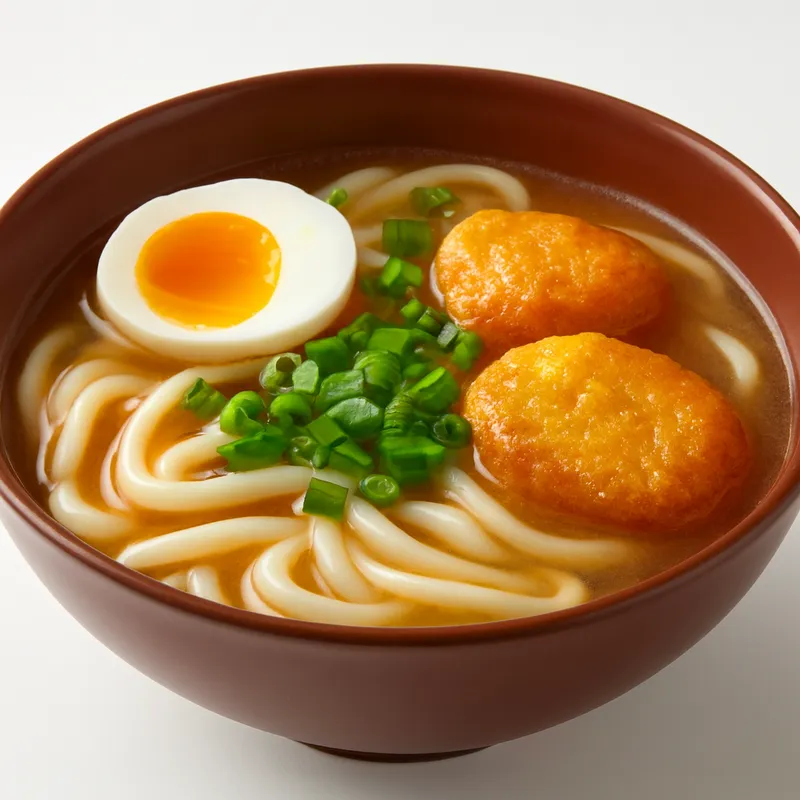
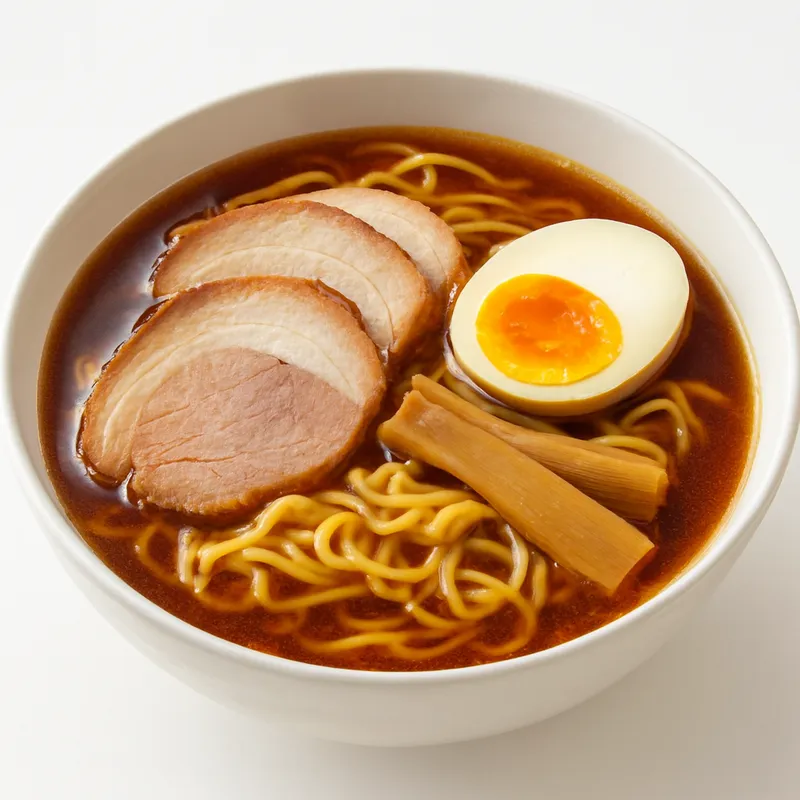
A bowl of uniquely Okinawan wheat noodles with tender pork belly in a dashi-rich broth, garnished with green onion and beni shoga.




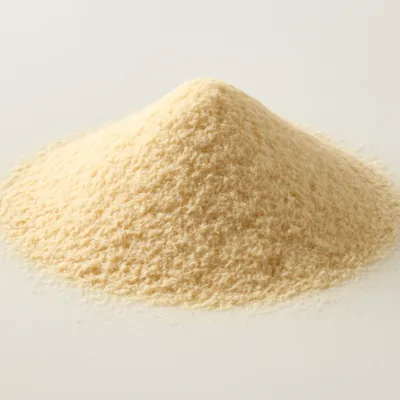
Okinawan noodles trace to the Ryukyu Kingdom era when Chinese-style wheat noodles entered via Fujian trade contacts in the 14th–17th centuries. The modern bowl took shape after Okinawa's 1879 annexation by Japan, when wheat became more available. The dish was nearly wiped out in the 1945 Battle of Okinawa and rebuilt postwar; the Japan Fair Trade Commission objected in 1976 that the buckwheat-free dish could not be labeled 'soba' (which required ≥30% buckwheat flour); after the Okinawa Fresh Noodle Cooperative petitioned, the name was allowed within Okinawa in 1977 and on 17 Oct 1978 it was certified as 'authentic Okinawa soba'—the 7th such regional-specialty certification—now commemorated as Okinawa Soba Day.
No buckwheat — wide flat wheat noodles kneaded with gajumaru-tree ash water (gansui), which is where the yellow comes from, not eggs. In 1978 the Okinawa noodle association won the legal right to keep calling it 'soba' despite the fact.
Despite the name, no buckwheat — these are wide, flat wheat noodles, yellowish from kansui, with a chew closer to udon. Pork-and-bonito broth, lighter than ramen, almost transparent. Stewed pork belly (san-mai-niku) on top, scallion, a pinch of pickled red ginger (beni shoga). Add koregusu — awamori-and-chili vinegar — at the table; one drop changes the bowl.
The noodle dough is kneaded with wood-ash lye water (gansui) traditionally drawn from gajumaru tree ash — that's where the yellow comes from, not eggs. The broth is lighter and clearer than mainland Japanese soba, built on katsuobushi and pork bone (often with some kombu). Authentic versions finish the noodles by tossing in oil before resting, which is why a good bowl shines slightly even before broth hits.
Variations
Yaeyama soba (Ishigaki) uses thinner round noodles; Miyako soba hides the meat under the noodles; Naha's Shuri Soba (since 1965) is the canonical hand-cut shop; koregusu (awamori-chili vinegar) at the table is the universal finisher.
On the Palate
Where Okinawa Soba sits in the Japanese flavor cloud
Ingredients





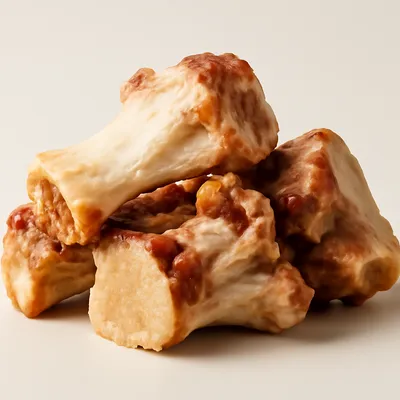

How it's made
5 steps · 1 hour 30 min
- 125 min
Boil the wheat noodles until tender, then drain and set aside.
Watch outPull the noodles when they're tender but still have a slight chew, then rinse and drain — they keep softening once the hot broth hits.
- 26 min
In a pot, prepare the broth by simmering bonito flakes and kombu in water, then strain.
- 347 min
Add sliced pork belly to the broth and simmer until tender.
Watch outSimmer the pork belly low and slow until a chopstick slides through the fat with no push — rushing it on high leaves it tough and stringy.
- 46 min
Season the broth with salt and add the noodles back to heat through.
Watch outTaste the broth for salt before the noodles go back — it should read a touch light on its own, since the noodles will drink some down.
- 56 min
Serve hot, garnished with chopped green onion and beni shoga.
Archive tool suggestions — not reviewed
These legacy suggestions have not been evidence-reviewed and are not presented as required tools.