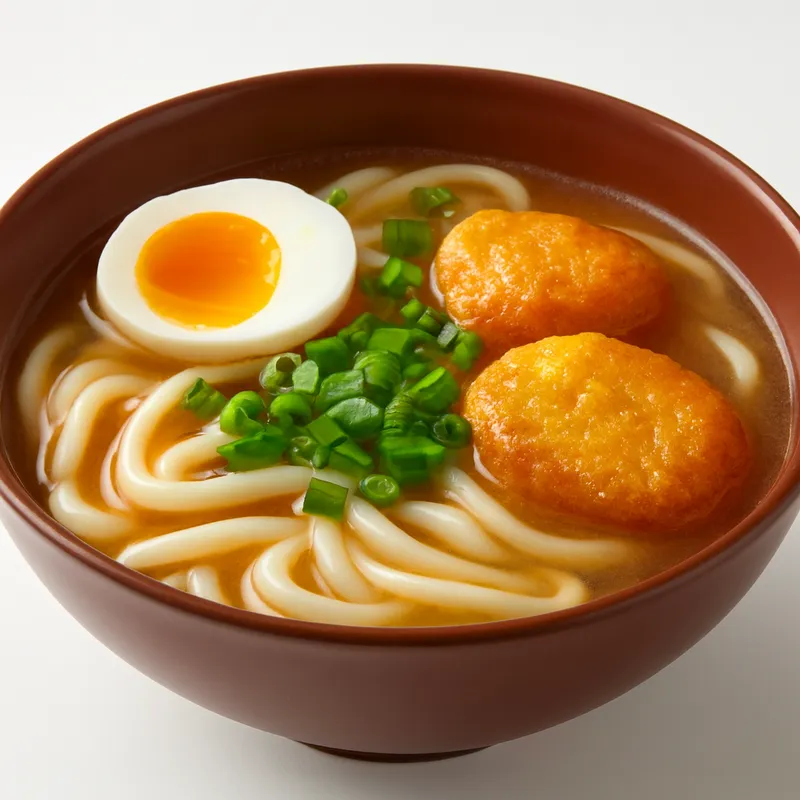
Italian pasta dressed with Japanese (wafu) seasonings — typically shoyu-dashi butter, with toppings like shiso, nori, katsuobushi, or mushrooms. A modern Japanese fusion category that emerged in kissaten (cafés) and now spans many variations: mentaiko, natto, tarako, and uni. The defining feature is pasta dressed with Japanese aromatics rather than Italian sauce.



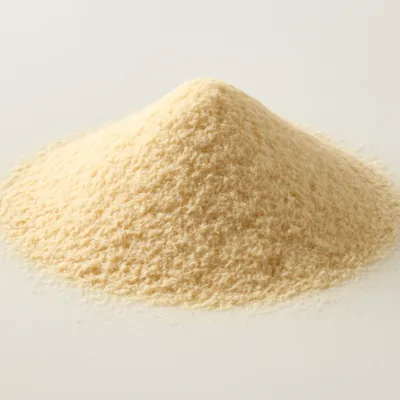
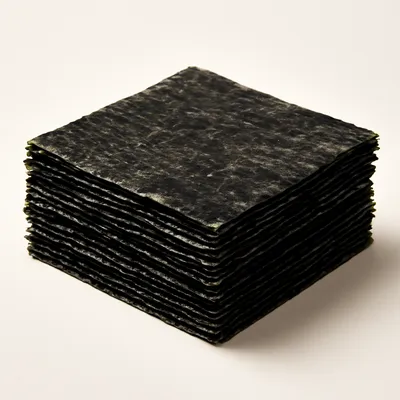

Wafu-pasuta (和風パスタ, 'Japanese-style pasta') emerged in Japan in the 1970s-80s through kissaten and family restaurants adapting Italian pasta with Japanese flavorings. The most basic form — spaghetti dressed with shoyu, butter, dashi, katsuobushi, aonori, and shredded nori — became a kissaten staple. The category exploded in the 1990s-2000s as Japanese-Italian fusion restaurants proliferated, with mentaiko (spicy cod roe), uni (sea urchin), and natto (fermented soybean) versions becoming common. Wafu pasta remains a distinctively Japanese take on pasta, distinct from both Italian original and Italian-American style.
A plate of basic wafu pasta is spaghetti dressed in a glossy brown sauce, topped with shredded nori, katsuobushi flakes, and aonori. The first bite is salty-savory: butter and soy combine into a Japanese-Italian umami; the bonito flakes add depth, the nori adds brine. The pasta itself is cooked al dente, the Italian way. Eaten hot, with chopsticks or fork.
Wafu pasta's character depends on the seasoning ratio. The base is butter (Western), soy sauce and dashi (Japanese) — these form a glossy, umami-rich sauce that coats each strand. The dashi provides glutamate-based umami, the soy provides salt and another umami layer, and the butter provides fat that carries the aromatics. Toppings (katsuobushi, nori, aonori) add more umami and texture. The pasta is cooked al dente — retaining the Italian technique even as the sauce is Japanese. The fusion works because both cuisines value umami.
Variations
Mentaiko, uni, natto, and mushroom (kinoko) are the most common variants; the butter-shoyu base remains constant.
On the Palate
Where Wafu Pasta sits in the Japanese flavor cloud
Ingredients
Serves 2How it's made
6 steps · 10 min
- 110 min
Cook spaghetti in salted boiling water until al dente.
Watch outCook the spaghetti al dente — it keeps softening when tossed in the hot butter-shoyu, so a hair firm out of the water is right.
- 23 min
In a pan, melt butter; add soy sauce and a splash of dashi.
- 35 min
Toss the drained pasta in the butter-shoyu-dashi mixture.
Watch outToss the pasta in the butter-shoyu-dashi off high heat until glossy — boil the butter hard and the sauce breaks instead of coating each strand.
- 43 min
Plate the pasta; top with shredded nori, katsuobushi flakes, and aonori.
- 51 min
Add a pat of butter on top to melt; serve immediately.
- 61 min
Optionally add shiso, grated daikon, or chili flakes.
Archive tool suggestions — not reviewed
These legacy suggestions have not been evidence-reviewed and are not presented as required tools.