
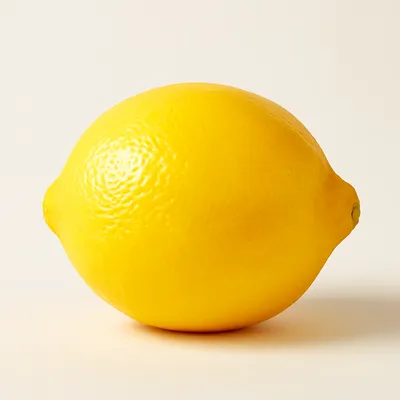
Kawara soba is a specialty of Kawatana Onsen in Yamaguchi: green-tea soba noodles griddled and served sizzling on a heated roof tile (kawara). The matcha-kneaded soba is crisped where it meets the hot tile and stays soft above, then topped with thin sweet-soy beef, shredded egg crepe (kinshi tamago), nori, a slice of lemon and a mound of momiji-oroshi (grated daikon with chili). Diners pick up the noodles and dip them into a warm tsuyu. The tile keeps the dish hot at the table and builds a fragrant, lightly charred crust as you eat down through it.



Kawara soba was created in 1961 by the Takase inn at Kawatana Onsen, devised as a signature dish to draw guests to the hot spring. The idea is traced to a piece of Satsuma Rebellion folklore: during the 1877 campaign, Satsuma soldiers besieging Kumamoto Castle are said to have grilled wild plants and meat on roof tiles over field fires during the long encampment. Takase's founder Shinichi Takase took up that image and built a dish around tea soba seared on a tile, using stone-ground Uji matcha from Kyoto in the dough. It spread first to other Kawatana inns, then across Yamaguchi as the prefecture's signature noodle.
It arrives hissing, green noodles steaming on a near-black tile. The bottom layer is crisp and faintly nutty-bitter from the tea; the top is soft and slippery. Sweet beef and silky egg threads give richness, the lemon and chili-daikon cut clean through it, and the warm tsuyu pulls it together. As the tile holds its heat, more of the noodle browns, so the last bites are the crispest.
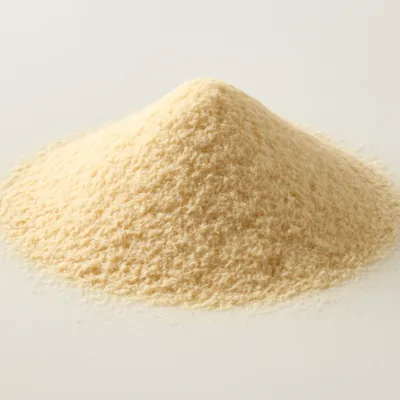
The roof tile is the cooking surface, not just a plate. Fired clay holds a lot of heat and releases it slowly, so once heated to around 200 degrees Celsius it keeps the noodles in contact searing for minutes at the table — the contact face dehydrates and browns through the Maillard reaction, building a crisp, fragrant crust while the upper layer stays steamed and soft. Kneading matcha into the soba does two things: the tea gives the dough its green color and a faint catechin bitterness that plays against the sweet-soy beef, and the fine tea powder, like the buckwheat, has little gluten, so the noodles are kept short and tender rather than chewy. The warm dipping tsuyu, a dashi-soy-mirin blend, seasons each bite and offsets the dryness of the crisped strands.
Variations
Beyond the classic beef-and-egg version, shops vary the toppings with extra nori, more or less momiji-oroshi, and sometimes a richer pile of beef. Some serve the warm tsuyu with a raw quail or chicken egg cracked in for a smoother dip. Home and restaurant versions exist where tea soba is simply pan-griddled and the tile is skipped, and frozen take-home sets are widely sold, though the served-on-a-hot-tile presentation remains the defining form.
On the Palate
Where Kawara Soba sits in the Japanese flavor cloud
Ingredients
Serves 2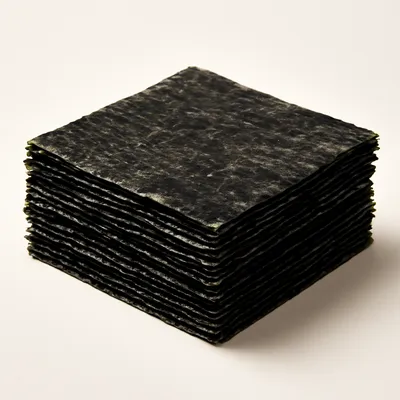
How it's made
6 steps · 30 min
- 120 min
Knead matcha into soba dough, roll and cut, then boil the tea soba to a firm bite.
- 25 min
Rinse and drain the noodles, then toss lightly in oil so they sear without sticking.
Watch outRinse the boiled noodles cold and drain bone-dry, then coat them in a thin film of oil — wet noodles steam and stick to the tile instead of crisping.
- 312 min
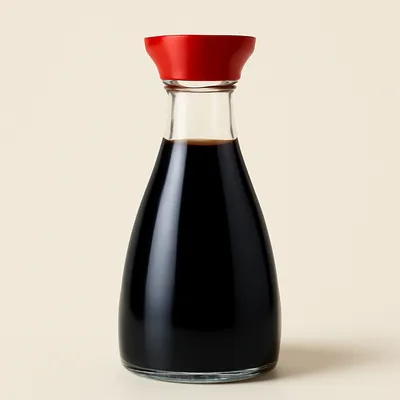
Simmer thin beef with soy sauce, mirin and sugar until glazed; reserve.
- 410 min
Make kinshi tamago: fry thin egg crepes and shred them finely.
- 58 min
Heat the roof tile (or a heavy griddle) hot, oil it, and press the noodles on to crisp the underside.
Watch outPress the noodles onto the tile and leave them undisturbed until you hear a steady sizzle and the underside turns golden and crisp — poke too early and the crust tears off.
- 64 min
Top with the sweet beef, egg threads, nori, lemon and momiji-oroshi; serve with warm dashi-soy tsuyu for dipping.
Archive tool suggestions — not reviewed
These legacy suggestions have not been evidence-reviewed and are not presented as required tools.


