A spicy Japanese hot pot built on kimchi: pork belly, tofu, napa cabbage, negi, mushrooms, bean sprouts and shirataki simmered communally in a broth of kimchi and its juice loosened with dashi and seasoned with miso, soy and a little sake or mirin. It is a Japanese adaptation of the Korean kimchi stew (kimchi-jjigae) — typically milder and more broth-forward, with the dashi-and-miso base and the heap of nabe vegetables marking it as a Japanese hot pot rather than the denser Korean stew. Eaten from a shared pot in cold weather and finished by cooking rice into the broth as zosui or by adding noodles, it has become a fixture of the Japanese winter table.

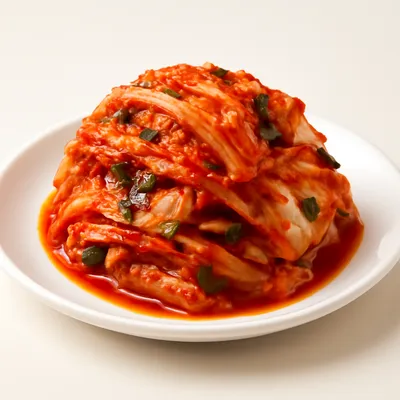



Kimchi nabe is a modern dish — the Japanese reworking of Korea's kimchi-jjigae into the nabemono format, rather than a traditional Japanese recipe. It became common as Korean food and kimchi grew familiar in Japan through the late twentieth century, and its popularity is often linked to the early-2000s 'Korean Wave' (the boom in Korean dramas and food). By then it was firmly established: a 2003 survey of Japanese university students ranked kimchi nabe the third most commonly eaten hot pot, after sukiyaki and yosenabe. Its Japanese character shows in the adaptations — a dashi-and-miso broth, ordinary nabe vegetables and a milder, often sweeter heat than the Korean original.
An iron or clay pot brought to the table bubbling, the broth a warm red-orange from the kimchi and its chili. The first taste is the fermented sourness and umami of the kimchi rather than raw heat; the spice builds gently across the meal. Pork belly turns soft and savory, tofu and napa cabbage soak up the broth, bean sprouts and shirataki keep a little crunch and slip. It is comforting and warming rather than fierce — the Japanese version pulls its punches against the sharper Korean stew. The zosui or ramen cooked in the leftover broth, now deep with pork fat and fermented tang, is the closer most people look forward to. Use flat, unfermented fresh kimchi and the broth tastes thin and merely vegetal.
The broth's depth comes mostly from the kimchi, not from added chili. Properly fermented kimchi carries lactic acid and a load of glutamate from the cabbage's breakdown, plus the umami of the salted-seafood (jeotgal) in its seasoning; simmered, these give the soup a rounded sour-savory base that fresh, unfermented kimchi cannot. The pork belly adds fat and inosinate, and the dashi-and-miso base layers in more glutamate and the savor of fermented soybean — the Japanese touch that distinguishes the dish from the Korean stew and softens its edge. Heat is built gently from the kimchi's own gochugaru rather than spiked, which is why the nabe reads milder. As with any hot pot, ingredients go in by density — pork and firm vegetables first, leafy greens and tofu later — and the broth ends concentrated enough that finishing it as zosui or with noodles is part of the design.
Variations
Households and shops vary the base: some lean on miso, some on gochujang (Korean chili paste), some let the kimchi carry it alone; soy milk is a popular modern twist that mellows the heat (kimchi-soy-milk nabe). Pork belly is the usual protein, but seafood, chicken or canned tuna all appear. It sits beside its Korean relatives — kimchi-jjigae, the denser home stew it derives from, and budae-jjigae ('army stew'), which adds Spam, sausage and instant noodles. The shime varies as ever: rice cooked into the broth as zosui, or ramen and udon dropped straight in.
On the Palate
Where Kimchi Nabe sits in the Japanese flavor cloud
Ingredients
Serves 4


How it's made
8 steps · 20 min
- 112 min
Slice pork belly, cut napa cabbage, negi and mushrooms, cube the tofu, and rinse the bean sprouts and shirataki.
- 24 min
In a donabe, render a little pork belly, then add well-fermented kimchi and stir-fry briefly to bloom its aroma.
Watch outStir-fry the well-fermented kimchi in the pork fat just until its aroma blooms — that bloomed sour-savory depth is the backbone of the broth.
- 33 min
Pour in dashi and bring to a simmer, then season with miso, soy sauce and a splash of sake or mirin to taste.
- 46 min
Add the remaining pork and the denser vegetables (cabbage stems, carrot) and simmer until nearly cooked.
- 54 min
Add the tofu, mushrooms, shirataki and bean sprouts and simmer until tender.
- 62 min
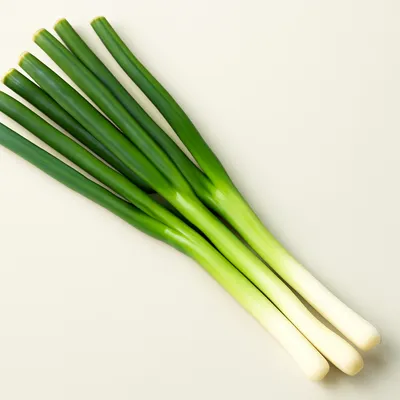
Add the leafy greens and negi tops last and cook just until wilted; adjust the seasoning and heat.
Watch outAdd the leafy greens and negi tops last and cook only until just wilted — overcooked, they go limp and lose their fresh bite.
- 72 min
Serve from the shared pot, ladling broth and ingredients into individual bowls.
- 86 min
To finish, stir cooked rice (and a beaten egg) into the leftover broth for zosui, or drop in ramen or udon, and simmer briefly.
Archive tool suggestions — not reviewed
These legacy suggestions have not been evidence-reviewed and are not presented as required tools.