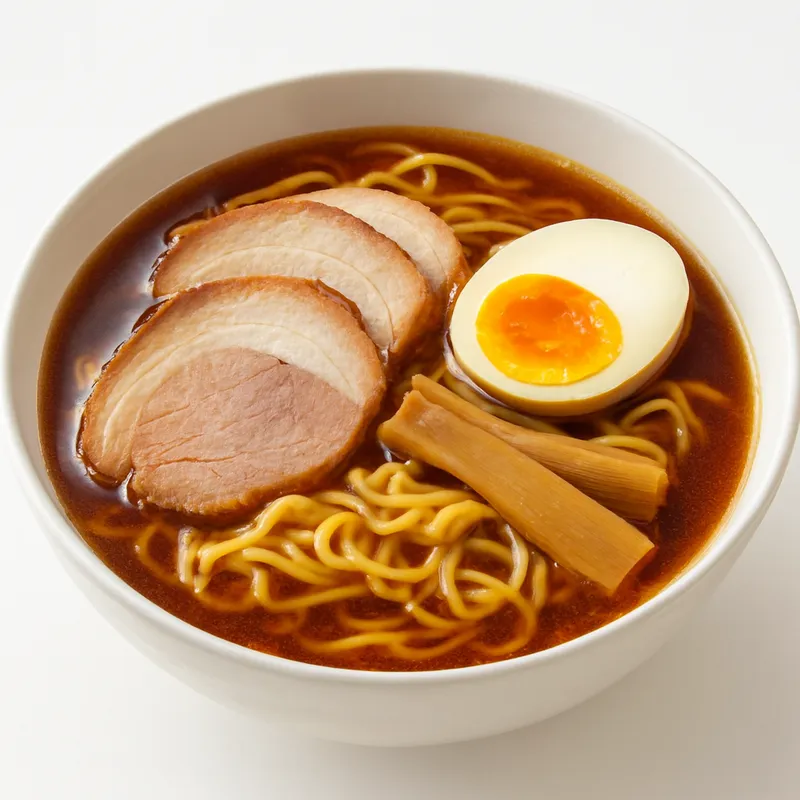
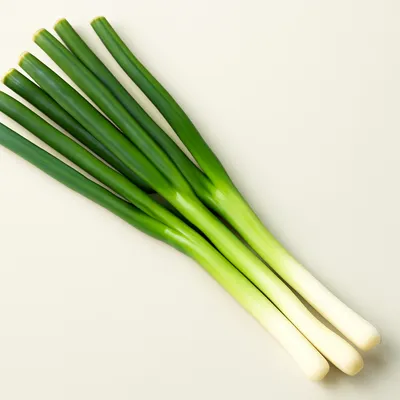
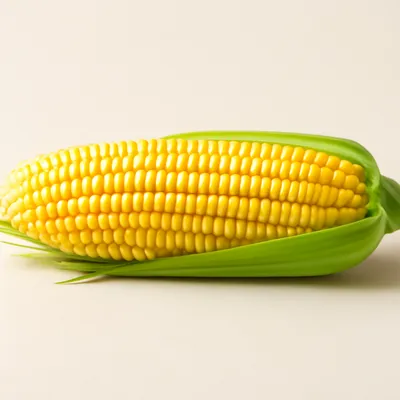
A miso ramen built on Shinshu miso, the light-colored, sharp-edged rice miso that Nagano produces more of than any other region of Japan. The broth marries a pork-and-chicken stock with a tare of the local miso, often deepened with garlic, ginger, and a knob of butter or lard, poured over springy curly noodles and topped with stir-fried bean sprouts, corn, negi, and chashu. Where Sapporo made miso ramen nationally famous, the Shinshu version leans on its home prefecture's defining ingredient, giving a cleaner, brighter, saltier miso edge.





Miso ramen as a category was created in postwar Sapporo, but it spread nationally and took on regional character wherever a strong local miso existed. Nagano, whose Shinshu miso accounts for roughly half of all miso produced in Japan, is a natural home for a miso ramen built on that ingredient — a rice miso that is light in color yet sharp and salty rather than sweet. Shinshu miso itself has deep roots: it is linked to the Kamakura-era monk Kakushin, was made as war provisions under the warlord Takeda Shingen, and expanded nationally after Nagano sent miso as relief following the 1923 Great Kanto Earthquake. The ramen is a modern regional expression of that miso heritage rather than a single documented invention.
The miso hits first — clean and saltier than a sweet Sapporo-style miso, with the bright fermented edge particular to Shinshu rice miso — riding on a fatty pork-chicken broth rounded by butter. The curly noodles grip the thick tare. Stir-fried bean sprouts and onion add crunch and a wok-seared sweetness; corn and a pat of butter nod to the snowy-region style. It is hearty cold-weather ramen, warming and assertively savory.
Miso ramen is built on a tare rather than a clear shoyu seasoning: the miso is whisked into fat — butter, lard, or stir-fry oil — and aromatics so it emulsifies into the broth instead of settling out, which is why miso ramen carries a thicker, clingier mouthfeel than shoyu or shio. The miso is added to the bowl and never boiled hard in the stock, since prolonged high heat flattens its fermented aroma. Shinshu miso's lighter color and higher salt-to-sweetness balance give a sharper, less cloying finish than the darker, sweeter miso of Hokkaido bowls.
Variations
Toppings follow the snowy-region miso template — stir-fried bean sprouts and cabbage, corn, butter, ground or sliced pork, negi — but the defining variable is the miso blend itself, with shops mixing light Shinshu miso with darker or red miso to taste. Spicy versions add chili or doubanjiang; a buttered-corn bowl echoes Sapporo. Distinct from the Sapporo, Tohoku, and Kanto miso-ramen lineages chiefly through its use of local Shinshu rice miso.
On the Palate
Where Shinshu Miso Ramen sits in the Japanese flavor cloud
Ingredients
Serves 2
How it's made
7 steps · 40 min active + 20 min waiting
- 120 min
Simmer a pork-and-chicken stock until rich, skimming as needed; keep it hot.
- 28 min
Make a miso tare by blending Shinshu miso with grated garlic, ginger, a little sugar, and sesame, loosened with some hot stock.
- 36 min
Stir-fry bean sprouts, sliced onion, and ground or sliced pork in a hot pan with a touch of oil until seared.
Watch outStir-fry the sprouts and pork over high heat until they take on color and smell toasty, keeping the sprouts crisp — a limp, watery stir-fry waters down the broth.
- 43 min
Whisk the miso tare into fat (butter or lard) in the bottom of each bowl, then pour in the hot stock and emulsify.
Watch outWhisk the miso tare into the fat and hot stock in the bowl but never let it boil hard — a rolling boil flattens the fermented aroma and the miso settles out grainy.
- 53 min
Boil the curly ramen noodles until just done and drain well.
- 62 min
Place the noodles in the miso broth and arrange the stir-fried toppings, corn, chashu, and negi on top.
- 71 min
Finish with a pat of butter and serve immediately.
Archive tool suggestions — not reviewed
These legacy suggestions have not been evidence-reviewed and are not presented as required tools.