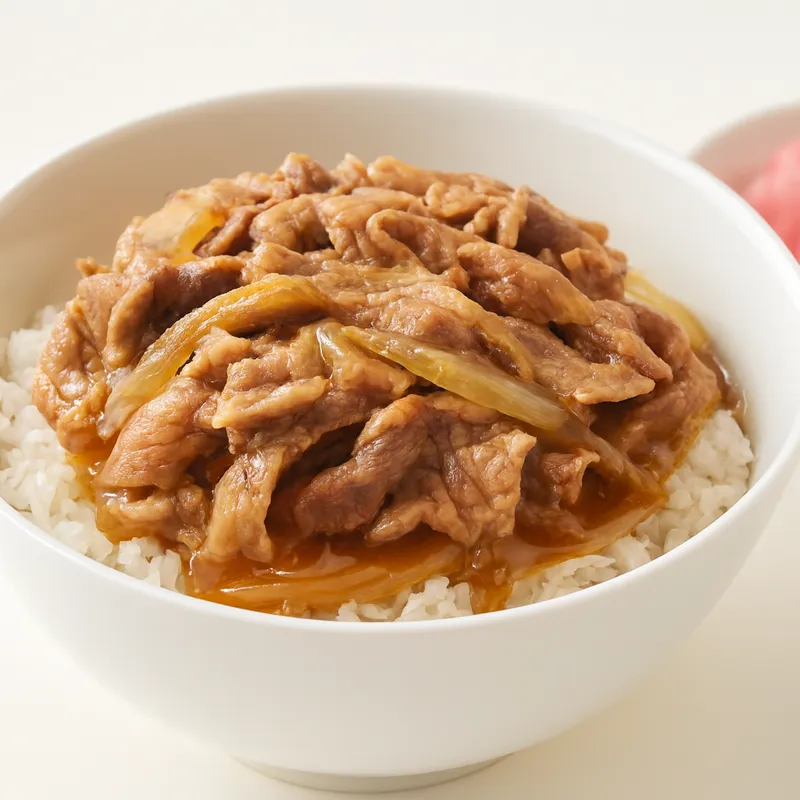
The catch-all Japanese home hot pot: a donabe (earthenware pot) of mixed ingredients — white fish, shrimp and clams, chicken, tofu, mushrooms (shiitake, enoki, shimeji) and vegetables (napa cabbage, negi, shungiku, carrot) — simmered communally at the table in a dashi broth seasoned with soy sauce and/or miso, sake and mirin. The name comes from yoseru (寄せる, 'to gather'), and the dish is exactly that: whatever is in the kitchen, gathered into one pot. Unlike sukiyaki or shabu-shabu, which fix both the cut and the broth, yosenabe has no set recipe; diners ladle the cooked pieces into their own bowls, and the meal is finished by cooking rice into the umami-rich leftover broth as zosui (porridge) or by dropping in udon.


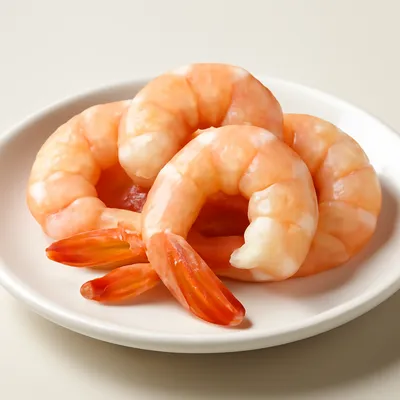
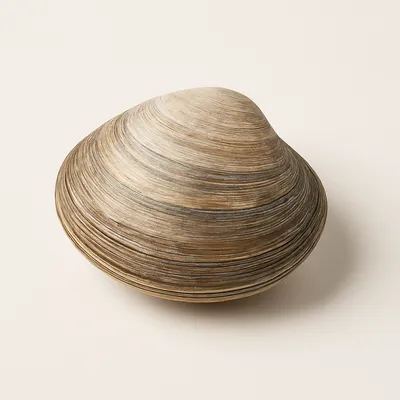

Yosenabe has no recorded inventor or founding date — it is the generic family hot pot rather than a single dish, and its name simply describes the method (gathering assorted ingredients into one pot). It belongs to the broader rise of nabemono as table cooking: communal one-pot simmering over a portable brazier spread through Edo-period Japan and grew widespread once soy sauce became an affordable everyday seasoning. Because it is defined by improvisation rather than a fixed formula, the broth, proteins and vegetables shift from region to region and household to household; what is constant is the dashi base, the gathered mix, and the communal table.
A bubbling clay pot set down at the table, the broth pale gold and clean-tasting, deepening as the seafood, chicken and vegetables give up their sweetness into it. Each spoonful carries a different ingredient — sweet shrimp, silky tofu, a clam, cabbage cooked soft and broth-soaked, a slice of negi gone meltingly tender. There is no single dominant flavor; the pleasure is the layering, and the dipping bowl of ponzu or sesame sauce that sharpens each piece. The finishing zosui or udon, cooked in the now deeply savory broth, is the payoff most diners save room for. The risk is overcrowding the pot so nothing simmers properly, or boiling it so hard the fish breaks up and the broth turns cloudy.
Yosenabe is a study in building umami by sequencing. The dashi base already carries the glutamate-inosinate synergy of kombu and katsuobushi — kombu supplies glutamate, bonito flakes supply inosinate, and the two together taste far more savory than either alone. Into that base, each added ingredient layers its own umami: clams and shrimp release more glutamate and the shellfish nucleotide AMP, chicken and dried mushrooms add inosinate and guanylate, and the vegetables contribute sugars and more glutamate as they soften. Order matters — dense, slow items (carrot, tougher vegetables, chicken) go in first, delicate seafood and leafy greens last so nothing overcooks. The broth is kept at a gentle simmer rather than a rolling boil so the fish stays intact and the stock stays clear. By the end the liquid is a concentrated, multi-source stock, which is why finishing it as zosui or udon is built into the dish rather than an afterthought.
Variations
Because yosenabe is defined by what you gather, its variants are mostly named for a dominant ingredient or broth: kaisen-nabe leans on seafood (crab, shrimp, scallop, white fish); tori-nabe centers chicken. Sister hot pots fix one element where yosenabe leaves it open — chankonabe (the sumo-stable pot, chicken-and-meatball heavy), mizutaki (chicken in a collagen-rich plain broth), and oden (assorted items simmered long in a soy-dashi broth) are close relatives. The broth itself swings regional: a soy-forward base is common in the east, a lighter usukuchi-and-kombu base in Kansai, and a miso base in colder regions. The shime (finish) splits households too — zosui (rice porridge) versus udon, sometimes ramen or mochi.
On the Palate
Where Yosenabe sits in the Japanese flavor cloud
Ingredients
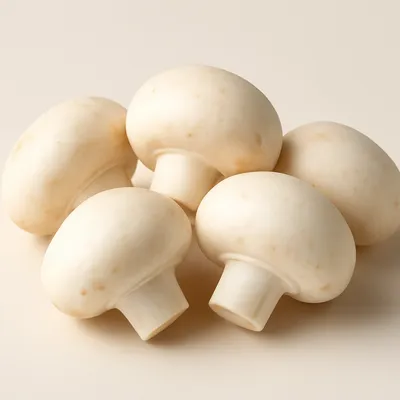
Serves 4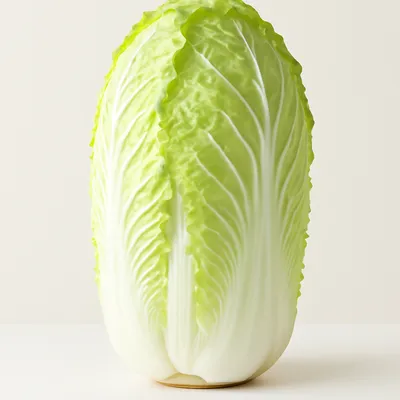


How it's made
8 steps · 25 min
- 115 min
Make a dashi broth (kombu and katsuobushi), then season it to taste with soy sauce, a little sake and mirin, and salt — or build a miso version.
- 215 min
Prepare the ingredients: cut napa cabbage, negi, carrot and shungiku; halve mushrooms; cube tofu; portion the chicken, white fish, shrimp and clams; arrange on a platter.
- 33 min
Bring the seasoned broth to a gentle simmer in a donabe at the table.
- 46 min
Add the dense, slow-cooking items first — carrot, the tougher cabbage stems and the chicken — and let them simmer until nearly done.
Watch outAdd the dense slow items first — carrot, tough cabbage stems, chicken — and simmer until nearly done before anything delicate goes in.
- 55 min
Add the tofu, mushrooms and clams, then the white fish and shrimp, keeping the broth at a bare simmer so the fish stays whole.
Watch outKeep the broth at a bare simmer once the fish and shrimp go in — a rolling boil breaks the fish apart.
- 62 min
Add the leafy greens (cabbage leaves, shungiku, negi tops) last and cook just until wilted.
Watch outAdd the leafy greens last and cook just until wilted — a few seconds too long and they collapse.
- 72 min
Diners ladle ingredients into individual bowls with a little broth, dipping in ponzu or sesame sauce as they like.
- 86 min
To finish, skim the broth, add cooked rice (and a beaten egg) for zosui, or drop in udon, and simmer briefly until hot.
Archive tool suggestions — not reviewed
These legacy suggestions have not been evidence-reviewed and are not presented as required tools.