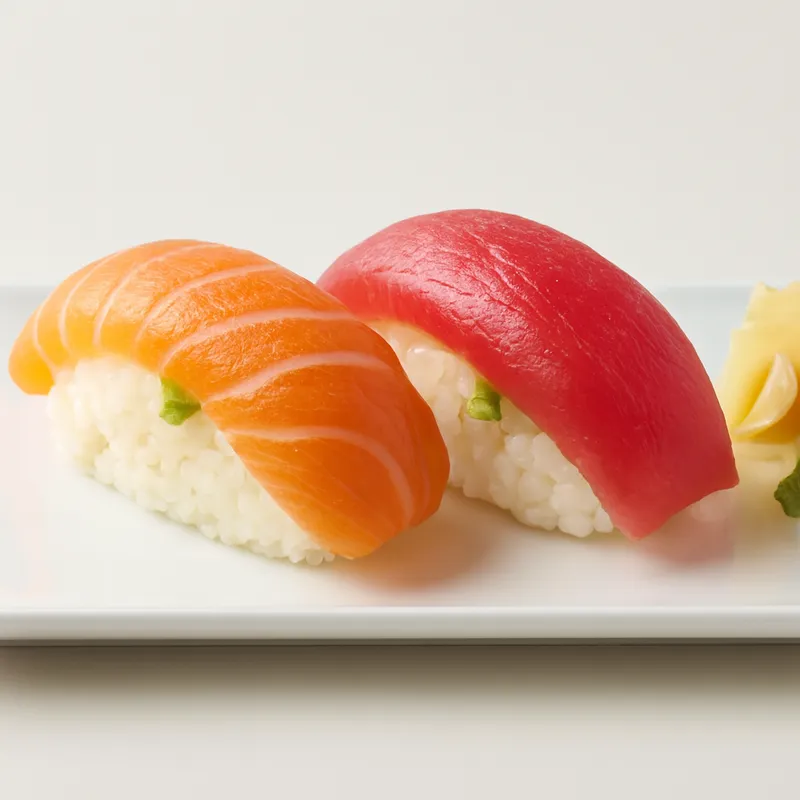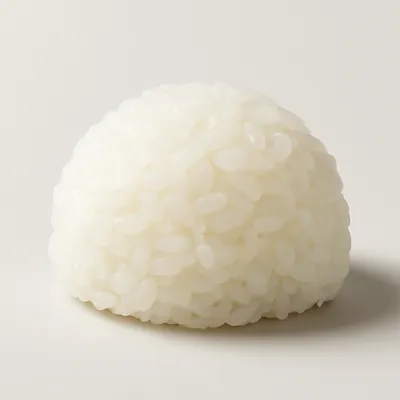




Named for Inari Ōkami, the Shinto deity of rice and agriculture, whose fox messengers (kitsune) were said to favor aburaage; the offering practice predates the modern dish. Inarizushi as a portable food took off in the 1850s during the Bakumatsu period, when street vendors in Nagoya and Aichi began selling cone-shaped pouches as cheap fast food. Eastern Japan favors rectangular pouches, western Japan triangular — the regional split persists today.
Named for Inari Ōkami, Shinto deity of rice — fox-messenger offering practice predates the dish. Took off as Bakumatsu (1850s) Nagoya street food. Aburaage must be par-boiled to strip surface oil first, or the simmer never penetrates and the pouch tastes greasy.
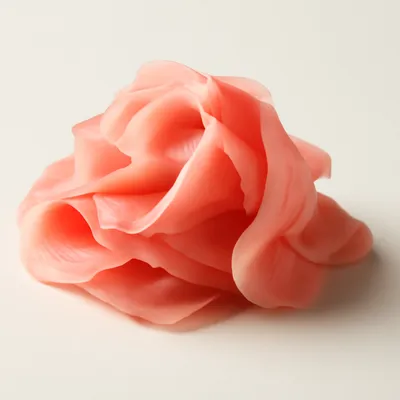
Sweet-savory aburaage pouches — deep-fried tofu skin simmered in shoyu, mirin, sugar, dashi until amber and dripping — packed with vinegared sushi rice, sometimes with sesame, lotus root, or chopped pickled ginger mixed in. Eat in two bites; juice from the pouch runs into the rice. Room temperature, not cold. The ratio that matters: pouch's sweet-salt to rice's vinegar-sweet, in balance.
The aburaage must be par-boiled or rubbed with hot water first to strip surface oil; otherwise the simmering liquid won't penetrate and the pouch tastes oily, not sweet. Squeeze pouches gently after simmering — they should drip but not pour. The rice goes in slightly under-packed, since rice expands as it absorbs pouch juice; over-stuffed inari splits open within an hour.
Variations
Eastern Japan favors rectangular pouches and plain rice; western Japan favors triangular pouches and mixed-rice (gomoku) fills; Toyokawa (Aichi) hosts an annual Inari festival and is the dish's spiritual home; Nezu's Negishi (Tokyo) is a famous Edo-style holdout.
On the Palate
Where Inarizushi sits in the Japanese flavor cloud
Ingredients


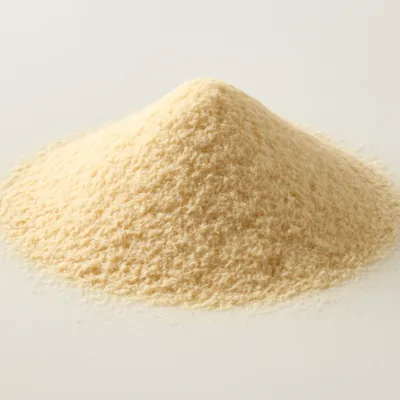

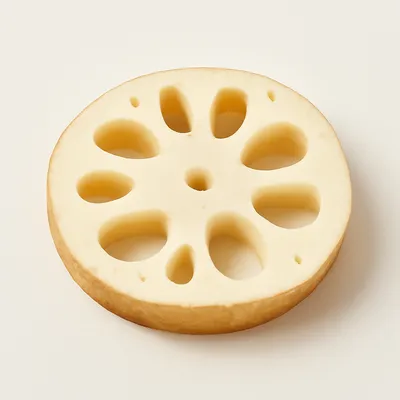
How it's made
5 steps · 30 min
- 12 min
Cook sushi rice and season it with a mixture of vinegar, sugar, and salt.
- 215 min
Simmer aburaage in a mixture of soy sauce, mirin, and sugar until sweet and savory.
Watch outRub the aburaage with hot water or par-boil it first, then simmer until it drinks up the sweet-savory liquid and turns amber — skip the de-oiling and it tastes greasy, not sweet.
- 34 min
Cut the aburaage in half to create pockets.
- 45 min
Stuff each pocket with the seasoned sushi rice.
Watch outPack the rice only about three-quarters full — it swells as it drinks the pouch juice, and overstuffed inari split open within the hour.
- 52 min
Garnish with sesame seeds before serving.
Archive tool suggestions — not reviewed
These legacy suggestions have not been evidence-reviewed and are not presented as required tools.