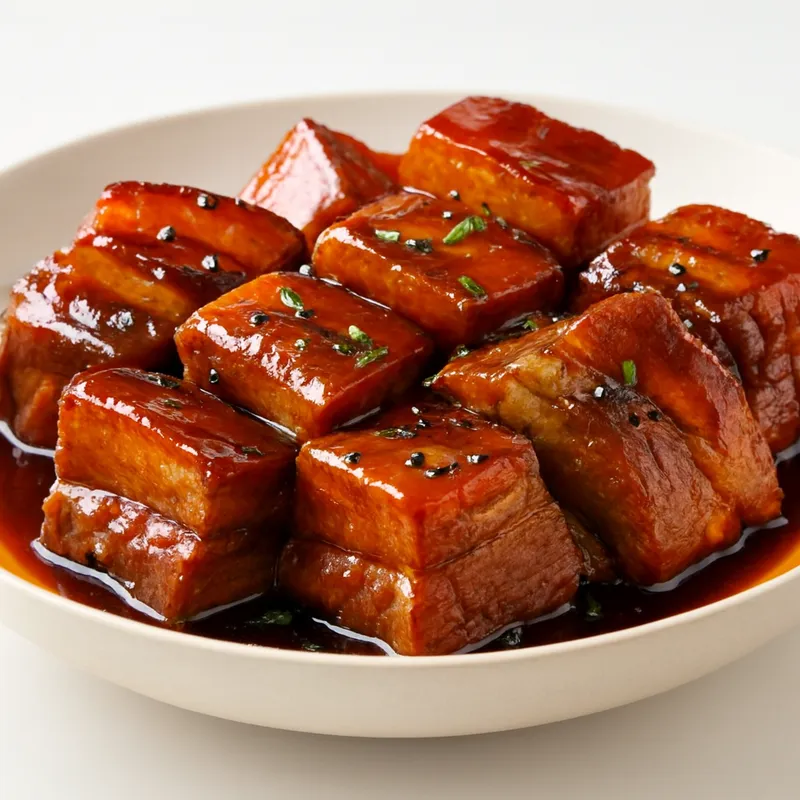
Hot rice topped with tororo — grated nagaimo (Japanese yam) thinned with dashi and seasoned with soy. The tororo is sticky, slimy (in the Japanese 'neba-neba' texture tradition), and slightly sweet, coating each rice grain in a soft, savory-sweet sheath. A simple, comforting Japanese home dish, often with a raw egg yolk on top.



Tororo-gohan is a traditional Japanese home dish with roots in the Edo period. The dish takes advantage of nagaimo (also called yamaimo, Japanese mountain yam), which when grated produces a distinctive sticky, viscous texture (neba-neba) prized in Japanese cuisine for its cooling and digestive properties. The dish is part of the broader 'neba-neba' food category — along with natto, okra, and mekabu — that Japanese cuisine values for both texture and health. It remains a common breakfast or simple dinner dish.
A bowl of tororo-gohan is hot rice drenched in a pale, viscous, sticky sauce of grated yam. The first bite is unusual for non-Japanese palates — slimy, almost mucilaginous — but the flavor is gentle: yam, dashi, soy, and a touch of sweetness. The texture coats the rice, making each bite soft and yielding. The optional raw egg yolk adds richness. Eaten with chopsticks, often at breakfast.
Tororo-gohan's distinctive texture comes from nagaimo's polysaccharides. The yam contains high levels of mucilage-forming polysaccharides (mannan and others) that, when the yam is grated, hydrate and form a thick, sticky, viscous liquid. Grating (rather than chopping) is essential — mechanical shearing releases and hydrates these polysaccharides. Dashi and soy are stirred in to thin the tororo to a pourable consistency and season it. Poured over hot rice, the tororo coats each grain, softening the texture and adding umami. The neba-neba (sticky-slimy) texture is prized in Japanese cuisine as it is believed to aid digestion.
Variations
Some versions add raw egg yolk, natto, or umeboshi; mugi-meshi (barley rice) is a traditional base.
On the Palate
Where Tororo Gohan sits in the Japanese flavor cloud
Ingredients
Serves 1How it's made
6 steps · 5 min
- 15 min
Peel nagaimo (Japanese yam); grate finely using a grater.
Watch outGrate the yam finely rather than chopping — the shearing releases its mucilage into that thick, sticky tororo; chopped, it never turns viscous.
- 23 min
Stir dashi and soy sauce into the grated yam to thin to a pourable consistency.
Watch outThin with dashi and soy only to a just-pourable consistency — too runny and it slides off the rice instead of coating each grain.
- 310 min
Cook Japanese short-grain rice; portion into a bowl.
- 41 min
Pour the tororo mixture generously over the hot rice.
- 51 min
Optionally top with a raw egg yolk, shredded nori, and a few sesame seeds.
- 61 min
Eat immediately, mixing gently with chopsticks.