
Samgak-gimbap is the triangular seaweed rice ball that anchors every Korean convenience-store cold case. A wedge of lightly seasoned rice is packed around a spoon of filling — tuna mayo, spicy pork, kimchi fried rice, bulgogi — and sheathed in a crisp sheet of gim kept apart from the rice by a clever plastic wrapper, so the seaweed stays papery until you open it. The defining ritual is the pull-tab: a numbered three-step film you tear so the rice and seaweed meet only at the moment of eating. Cheap, portable and endlessly varied, it is the grab-and-go staple of students, commuters and late shifts.

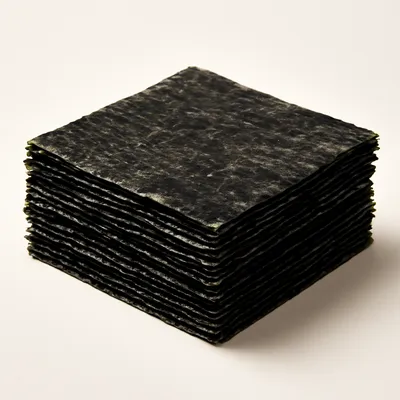

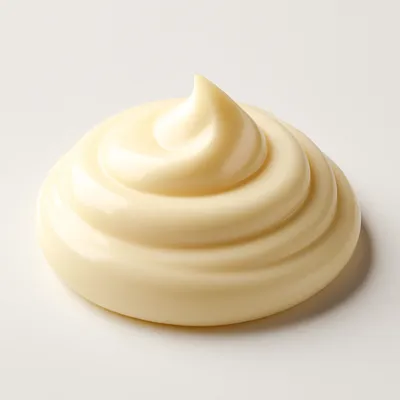
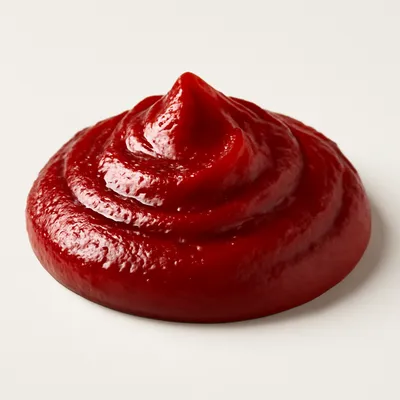

The triangular onigiri sold ready-wrapped is a Japanese convenience-store invention of the late 1970s, and the split-film packaging that keeps the seaweed crisp came with it. The form reached Korea in the early 1990s as the convenience-store chains spread, where it borrowed the familiar name gimbap — since, like Korean gimbap, it is wrapped in gim — to become samgak-gimbap, the triangular gimbap. It stayed a niche item until around 2000; the launch of a Jeonju-bibimbap version in 2002 is often credited as the breakout that turned it mainstream. Early fillings followed the Japanese tuna-mayo template, but the Korean range quickly tilted toward gochujang-spiced, kimchi and meat fillings tuned to local taste. It is now a defining everyday food of Korean convenience-store culture rather than any one cook's creation.
Bite through a crackle of dry seaweed into cool, lightly salted rice, soft but still distinct grain by grain, that gives way to a warmer, punchier core — creamy tuna mayo, or fiery-sweet pork, or sour-savory kimchi rice. The seaweed is the whole texture trick: snapped fresh from its wrapper it shatters, where a pre-wrapped damp sheet would go limp. It eats clean and quick in three or four bites, salty and satisfying out of hand.
Everything serves portability and crispness. The rice is seasoned only lightly with salt and a little sesame oil and packed firm but not dense, so the wedge holds its shape yet still falls apart in the mouth. The packaging is the real engineering: an inner plastic sheet sandwiches the dry gim away from the moist rice, because seaweed goes soggy and loses its snap the instant it absorbs water; tearing the numbered film withdraws that barrier and wraps the now-exposed seaweed around the rice in one motion. Made and chilled in volume, samgak-gimbap is built to sit in a cold case and survive the journey to wherever it is eaten.
Variations
Fillings are the whole world of the form: tuna mayo is the perennial bestseller, joined by spicy pork, bulgogi, kimchi fried rice, spam, and countless seasonal limited editions. Beyond the classic gim-wrapped wedge there are full-rice versions where seasoned rice is mixed through rather than stuffed, and bare triangles rolled in flying-fish roe or furikake instead of seaweed. The Korean kimbap chains sell a fresher, hand-rolled cousin, while the convenience-store article remains the cheap, shelf-stable standard.
On the Palate
Where Samgak-gimbap sits in the Korean flavor cloud
Ingredients
Serves 2
How it's made
6 steps · 25 min
- 115 min
Cook short-grain rice and let it cool to just warm, then season lightly with salt and a few drops of sesame oil.
- 28 min
Make the filling: fold canned tuna with mayonnaise, or stir-fry minced pork with gochujang until thick.
- 32 min
Cut a sheet of gim into a strip and have a triangular mold or your cupped hands ready.
- 45 min
Press a layer of rice into the mold, hollow the center and spoon in the filling, then top with more rice and pack into a firm triangle.
Watch outPack the rice firm enough to hold a clean wedge but not so dense it turns into a brick — press evenly so it keeps its shape yet still falls apart in the mouth.
- 53 min
Wrap the triangle in the strip of seaweed, or seat it in the split-film convenience-store wrapper so the gim stays dry until serving.
- 61 min
Eat at once, tearing the film so the crisp seaweed meets the rice as you open it.
Watch outTear the film and wrap in one motion, then eat at once — the seaweed goes soggy and loses its snap the instant it meets the moist rice.
Archive tool suggestions — not reviewed
These legacy suggestions have not been evidence-reviewed and are not presented as required tools.


