
Mont Blanc is a chestnut-cream pastry named for the Alpine peak, built around fine vermicelli strands of sweetened chestnut purée piped over a base of sponge cake or baked meringue, usually with whipped cream beneath. In Japan it is a pâtisserie and café fixture, and the classic Japanese version is distinctive: a yellow chestnut cream made from candied Japanese chestnuts (kuri no kanroni), rather than the brown chestnut cream of the French original. The vermicelli is piped through a multi-holed nozzle to mimic snow-capped slopes, and the cake is finished with a dusting of powdered sugar and often a whole candied chestnut on top. It is served as a dessert, especially in autumn when chestnuts are in season.





The chestnut-cream dessert named for Mont Blanc is European, long associated with the French and Italian Alpine border. Its establishment in Japan is credited to the Tokyo pâtisserie Mont-Blanc, opened in March 1933 in Meguro Ward (the Jiyugaoka area) by confectioner Chimao Sakota, who, moved by the sight of Mont Blanc on a trip to Europe, sought permission from the mayor of Chamonix to name his shop after the mountain. Sakota adapted the French brown chestnut cream into a yellow cream made with candied chestnuts familiar to Japanese palates, the color meant to evoke the mountain's rocky face. He is widely said to have introduced the cake in this form in Japan; some accounts add that he gave it a sponge base and popularized it in the post-war years, though the finer dating is recounted variously. He deliberately did not trademark the name, which helped the dessert spread across the country.
The first impression is the chestnut cream: dense, finely textured, and nutty-sweet, the thin strands collapsing softly together rather than holding as separate threads. Beneath it the whipped cream is light and cool, and the sponge or meringue base gives either a tender crumb or a dry, sugary crunch that contrasts the rich topping. A whole candied chestnut at the center is fudgy and intensely sweet. The balance is delicate: the best versions keep the chestnut flavor forward and the sweetness restrained, while a heavy hand turns the whole thing flat and uniformly sugary.
The dish is an exercise in texture contrast and in handling chestnut. Chestnuts are starchy rather than oily, so their purée is naturally dense and crumbly; sweetening it and working in butter or cream makes it pipeable and gives the strands enough cohesion to hold their shape briefly without being gummy. The signature vermicelli is forced through a nozzle perforated with many fine holes, extruding the cream into thin, even strands heaped to suggest a snowy peak. The base matters structurally: a baked meringue stays crisp and dry under the moist cream, while a sponge base soaks up a little of it and softens. Because the cream is soft and the meringue draws moisture, the cake is assembled close to serving; a powdered-sugar finish reads as snow but also blots surface moisture. The Japanese yellow color comes from the candied chestnuts and is sometimes reinforced with a little gardenia (kuchinashi) coloring.
Variations
The clearest split is French versus Japanese: the French and Italian originals use a brown chestnut cream (the Italian montebianco mounds it over meringue with whipped cream), while the classic Japanese Mont Blanc is yellow, from candied Japanese chestnuts. Within Japan the base varies — sponge, tart shell, or meringue — and modern pâtissiers have spun off many forms: tall 'mont blanc' towers of freshly piped strands, versions using marron glacé or wagashi-style chestnut, and seasonal riffs in purple sweet potato, matcha, or hojicha cream. The whole dessert sits within Japan's broader fondness for chestnut (kuri) sweets that peaks each autumn.
On the Palate
Where Mont Blanc sits in the Japanese flavor cloud
Ingredients
Serves 6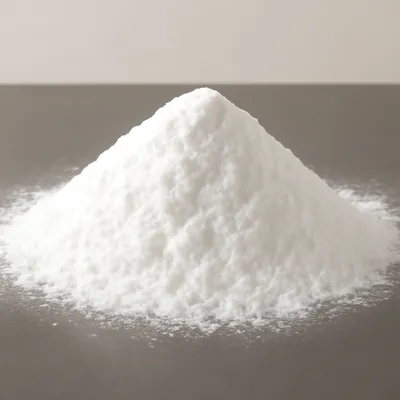
How it's made
7 steps · 40 min
- 125 min
Make a chestnut cream: blend sweetened chestnut purée (or candied chestnuts) with soft butter and a little cream until smooth, then pass it through a sieve so it pipes cleanly.
Watch outPass the chestnut cream through a sieve until smooth so it pipes cleanly — any lumps clog the fine mont-blanc nozzle and break the strands.
- 230 min
Bake or prepare the base — a small round of sponge cake or a baked meringue disc — and let it cool completely.
- 38 min
Whip cold cream with a little sugar to soft, holdable peaks.
Watch outWhip the cream only to soft, holdable peaks — over-whipped it turns grainy and butter-like and won't shape into a clean dome.
- 45 min
Pipe or spoon a dome of whipped cream onto each base, shaping it into a rounded mound.
- 512 min
Fit a piping bag with a multi-holed mont blanc nozzle, fill with the chestnut cream, and pipe long vermicelli strands all over the cream dome to cover it like a snowy peak.
Watch outPipe the vermicelli strands long and even all over the dome to cover it like a snowy peak — thin, uniform threads are the signature look.
- 62 min
Top each with a whole candied chestnut if using.
- 730 min
Chill briefly to firm up, then dust with powdered sugar just before serving.
Archive tool suggestions — not reviewed
These legacy suggestions have not been evidence-reviewed and are not presented as required tools.


