Basashi is thin-sliced raw horse meat served sashimi-style, the signature specialty of Kumamoto Prefecture in Kyushu. The chilled slices are eaten with grated ginger, grated garlic, sliced scallion, and a dip of soy sauce, typically a thick, sweet Kyushu-style soy. Horse meat is also called sakura-niku, or "cherry-blossom meat," for its bright pink-red color. Because horse is lean and low in fat, it carries little of the gaminess of other red meats, and the better cuts are prized for a clean sweetness and a tender, almost melting texture. Platters often combine the lean akami with fattier cuts such as toro and the white neck fat called tategami.






Horse meat became part of the Japanese diet only after centuries of Buddhist-influenced taboo on eating four-legged animals eased in the Meiji era, when the 1872 lifting of the meat ban under Emperor Meiji returned meat to Japanese tables; horse-eating then spread gradually through Kumamoto and the horse-rearing Aso highlands. A popular but unverified tale traces the custom to Katō Kiyomasa (1562-1611), the lord who built Kumamoto Castle, whose troops are said to have eaten their horses when supplies ran out during the late-16th-century Korean campaigns. Whatever the true beginning, basashi as a restaurant dish is a modern phenomenon, taking off from around the 1950s-1960s as the Aso region's military-horse stock was redirected to food. Today Kumamoto is Japan's leading producer and consumer of horse meat, accounting for roughly 40 percent of national output, and basashi is firmly identified with the prefecture.
Cold and yielding, the lean akami is firm yet tender, with a clean, faintly sweet flavor and almost none of the iron-heavy tang of raw beef. Tategami, the white neck fat, is the contrast piece, soft and creamy, eaten layered against a lean slice so the fat melts on the tongue. Grated garlic and ginger cut through any richness, and the thick sweet soy coats the meat without overpowering it.
Horse meat suits raw service because it is naturally very lean, with little of the saturated, room-temperature-firm fat that can taste waxy raw; what fat it has, as in tategami, is soft and melts near body temperature. Its red color, deeper than beef, comes from a high concentration of myoglobin, and the popular sakura-niku name is one reason given for this pink-red bloom when the cut surface meets air and the myoglobin oxygenates. Safety relies on the cold chain rather than cooking: under Japan's 2011 hygiene standards for raw horse meat, the carcass is held at or below 4°C from slaughter, and meat for raw consumption is commonly deep-frozen, with guidance to hold the core at about -20°C for 48 hours or more to inactivate the Sarcocystis fayeri parasite and its diarrhea-causing toxin. Slicing thin and across the muscle fibers shortens the fibers so the lean meat reads as tender rather than chewy, and serving it well chilled keeps the soft fat firm enough to slice cleanly.
Variations
Beyond the standard lean akami, common cuts and styles include toro, the prized fatty rib/belly meat; tategami, the white mane and neck fat eaten layered with lean meat; and kawasashi, sliced from collagen-rich skin. A moriawase is a mixed platter spanning these cuts. Outside Kumamoto, basashi is also a noted local food of Aizu in Fukushima and of Nagano (Shinshu), where it is sometimes eaten with karashi-renkon-style condiments or a miso-based dip rather than sweet soy. Cooked horse-meat dishes share the table too, such as the sakura-nabe hot pot.
On the Palate
Where Basashi sits in the Japanese flavor cloud
Ingredients
Serves 2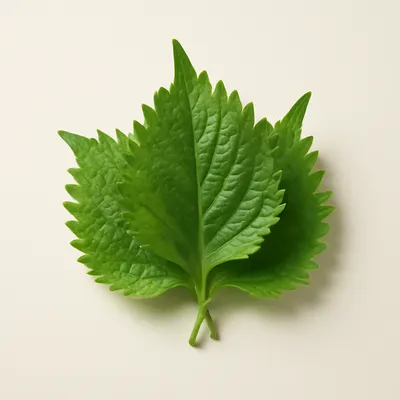
How it's made
7 steps · 15 min active + 35 min waiting
- 13 min
Source sashimi-grade horse meat that has been frozen to food-safety standards (block-frozen lean akami, with optional tategami neck fat and toro), from a reputable supplier.
- 230 min
Thaw the frozen block slowly and partially in the refrigerator, leaving it semi-frozen and firm so it slices cleanly; keep it cold throughout.
Watch outKeep the block semi-frozen and firm — meat thawed too soft smears under the knife instead of cutting into clean sashimi slices.
- 35 min
Prepare the condiments: peel and finely grate fresh ginger and garlic, and thinly slice scallion; have soy sauce or a thick sweet Kyushu-style soy ready.
- 44 min
With a sharp knife, slice the semi-frozen lean meat thinly across the grain into even sashimi slices.
Watch outSlice thinly across the grain with a sharp knife — cutting with the grain leaves the lean horse meat chewy.
- 52 min
If using tategami, slice the white neck fat thinly so it can be layered against a lean slice.
- 63 min
Arrange the slices, slightly overlapping, on a chilled plate, optionally over shiso leaves or thin onion.
- 73 min
Mound the grated ginger, grated garlic, and scallion alongside, and serve immediately with the soy dip while the meat is still cold.
Archive tool suggestions — not reviewed
These legacy suggestions have not been evidence-reviewed and are not presented as required tools.