
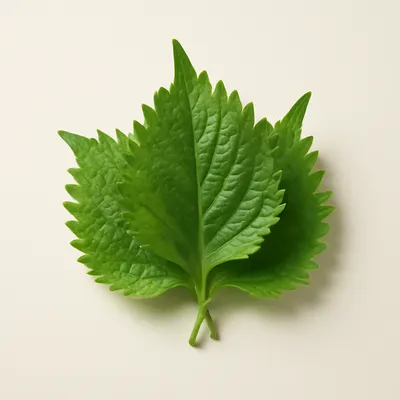
Aji no tataki is raw horse mackerel (aji) filleted and hand-chopped fine with a knife together with ginger, scallion, and a little miso or soy, the blade mincing the seasonings into the fish until it turns soft and slightly sticky. Unlike seared katsuo tataki, the fish here is never cooked; tataki names the rhythmic chopping. It is mounded back onto the plate, often over shiso leaves and sometimes presented on the cleaned bone or in the fish's own split body, and eaten with soy, more grated ginger, and a squeeze of citrus. A fishing-port and izakaya classic, it makes the most of small, very fresh horse mackerel.





Tataki of horse mackerel belongs to a family of chopped-and-seasoned raw-fish preparations born among fishing communities, where the freshest small fish were minced on board or dockside with whatever seasoning was at hand. Its close relative namero is a documented local dish of the Boso Peninsula coast in Chiba Prefecture, a region long rich in horse mackerel: fishermen chopped the fish with miso, ginger, and scallion directly on their pitching boats, and miso was used rather than soy sauce because liquid soy would spill in rough seas. The grilled form of namero packed into a shell is sangayaki. No single inventor is recorded; these are folk preparations of coastal Japan, with aji no tataki the leaner-seasoned, more lightly chopped member alongside the heavily miso-bound namero.
Finely chopped horse mackerel eats soft, almost spoonable, with a faint stickiness where the knife has worked the flesh; the fish is mild, clean, and a touch sweet, with a silvery richness from its fat. The ginger and scallion run through every bite as a bright, pungent backbone, the miso or soy adds a savory depth, and shiso adds a green, herbal lift. The first taste should be fresh sea and aromatics, not fishiness; aji that is not very fresh turns soft in a flabby, off way, and oxidized fish tastes metallic and dull. Texture is the point — coarser for bite, finer for a melting, paste-like spoonful.
Chopping does the work that no marinade can: the knife breaks down the fish's muscle structure and distributes the ginger, scallion, and miso through it, while the mild mechanical action releases moisture and just enough protein to give the minced flesh its characteristic soft, faintly tacky body. The aromatics are functional as well as flavoring — ginger and scallion are pungent and mask any fishy note, miso's salt and fermentation-derived glutamate add umami that lifts the lean fish, and citrus or a little vinegar refreshes the palate and tightens the surface. Horse mackerel is leaner and far more delicate than tuna, so very fresh fish, a cold knife and board, and quick work keep it bright; the longer it sits chopped, the faster it oxidizes and softens.
Variations
The closest sibling is namero, chopped more thoroughly and bound with more miso into a smooth paste, a specialty of the Boso Peninsula in Chiba; grill that paste in a shell and it becomes sangayaki. The same chopped treatment is given to other small silver fish such as sanma (Pacific saury) and saba (mackerel). The seasoning varies by cook and region between miso, soy sauce, and a little vinegar, and the chop ranges from coarse for texture to near-paste; shiso, myoga, and sesame are common additions. Aji is also eaten simply as sashimi or nigiri, butterflied and deep-fried as aji furai, or salt-grilled.
On the Palate
Where Aji no Tataki sits in the Japanese flavor cloud
Ingredients
Serves 2
How it's made
8 steps · 25 min
- 18 min
Fillet very fresh horse mackerel into three pieces and remove the skin and the row of hard scutes along the lateral line.
- 23 min
Pull out the pin bones with tweezers and check the fillets are clean.
Watch outPull every pin bone and check the fillet is clean — since this is eaten raw and chopped, a missed bone or scute ruins the bite.
- 33 min
Cut the fillets into strips, then begin chopping them on the board with a sharp knife.
- 42 min
Add grated or finely minced ginger, chopped scallion, and a little miso or soy onto the fish.
- 54 min
Continue chopping and folding the seasonings into the fish until it is as fine and slightly sticky as you like, working quickly.
Watch outChop quickly, working the aromatics in only until it's fine and slightly tacky — over-chopping mashes it to paste and warms the fish; the ginger and scallion also mask any fishiness.
- 62 min
Line a chilled plate with shiso leaves, or use the cleaned fish bone or split body as a presentation base.
- 72 min
Mound the chopped fish onto the plate and add a little more grated ginger on top.
- 81 min
Serve cold with soy sauce and a wedge of citrus.
Archive tool suggestions — not reviewed
These legacy suggestions have not been evidence-reviewed and are not presented as required tools.


