


Invented in 1963 at Furaibou in Nagoya by founder Kenkura Otsubo, who, after forgetting to order his usual young chickens, received a large batch of then-worthless wings from his supplier and improvised by coating them in the sauce from his grilled half-chicken dish. The dish was patented as a recipe; rival chain Sekai-no-Yamachan opened in 1981 with a spicier, more pepper-forward version, and the two styles still define Nagoya wing culture.
Kenzo Otsubo invented this in 1963 at Furaibou — wing tips were a discarded cut, his supplier ran short, he improvised a pepper-soy glaze and patented the recipe. Sekai-no-Yamachan opened in 1981 with a hotter, more pepper-forward version. Double-fry: 160°C through, 190°C to crackle, glaze last so it doesn't burn.
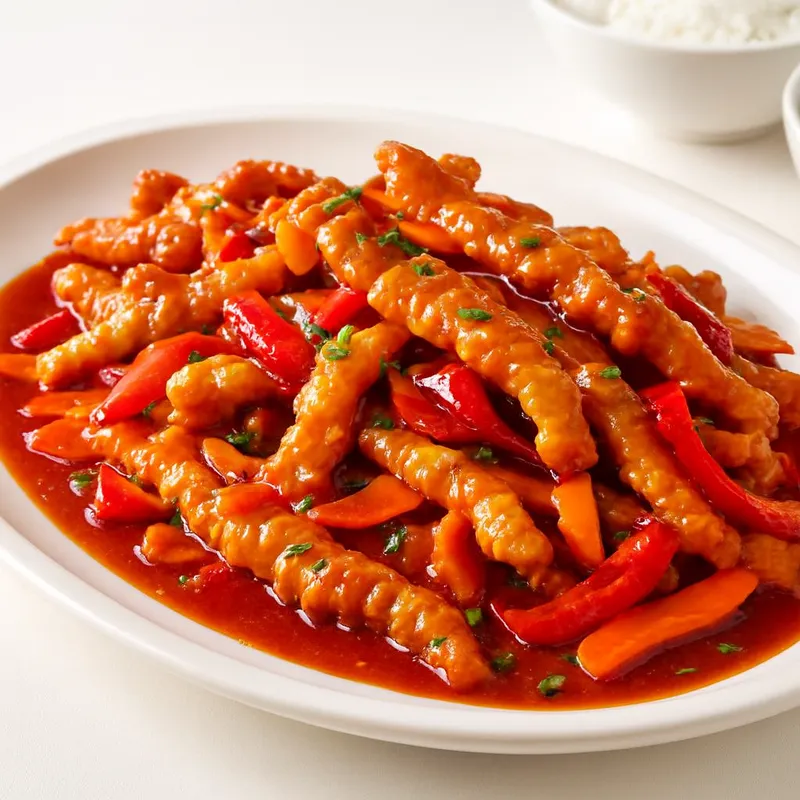
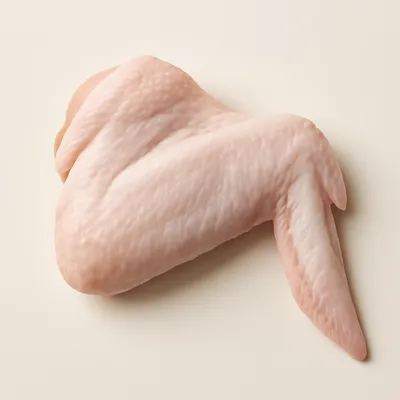
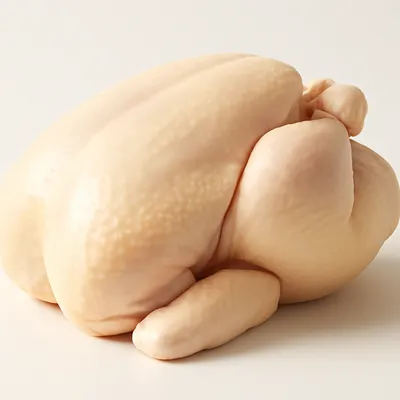
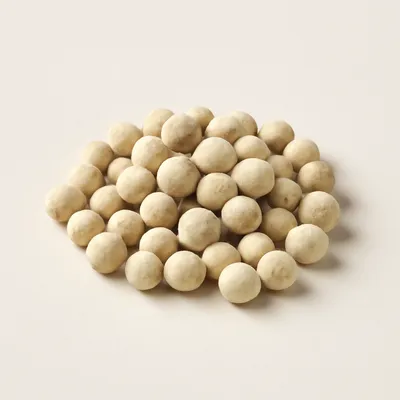
Whole chicken wings, double-fried until the skin is glass-thin, then brushed with a soy-mirin-garlic glaze and dusted with white pepper and sesame. Eaten with the hands, twisted at the joint so the two bones slide out clean. The glaze is sticky-sweet up front, pepper-hot on the back end. If the skin is soggy or the glaze pools, the second fry was too short.
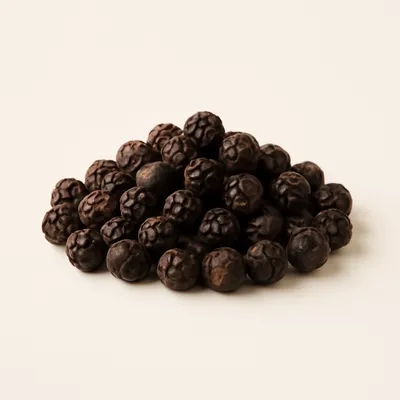
Double frying is load-bearing: first fry at ~160°C cooks the meat through and renders subcutaneous fat; second fry at ~190°C dehydrates the skin to crackling. The glaze goes on after — never before, or it burns. White pepper, not black, is non-negotiable: it gives heat without color, so the skin stays mahogany-clear instead of muddy.
Variations
Furaibou (the 1963 patent house, sweeter and smaller pepper hit); Sekai-no-Yamachan (1981, the loud-pepper rival, now a national chain); Yabuya in Sakae runs a smoked tebasaki; Yamamotoya Honten serves a non-fried braised version that locals consider a different dish.
On the Palate
Where Nagoya Tebasaki sits in the Japanese flavor cloud
Ingredients



How it's made
5 steps · 22 min
- 15 min
Combine soy sauce, sake, mirin, sugar, minced garlic, and grated ginger in a bowl to create a fragrant marinade. Whisk until the sugar dissolves completely.
- 210 min
Pat the chicken wings dry with a paper towel. Heat a generous amount of oil in a deep pan over medium-high heat until shimmering. Carefully add the wings and fry until they turn a deep golden brown, about 5 minutes per side.
Watch outEnsure the oil is hot enough to avoid soggy wings, but not so hot that it smokes.
- 33 min
Remove the wings from the oil and drain on a wire rack. Pour the marinade into a clean pan and bring to a simmer over medium heat. Cook until the sauce thickens slightly, about 3 minutes.
- 42 min
Return the fried wings to the pan with the thickened sauce. Toss them gently to coat evenly, letting the sauce caramelize on the wings for 2 minutes.
- 52 min
Transfer the glazed wings to a serving platter. Sprinkle generously with freshly ground black pepper and toasted sesame seeds for added aroma and flavor.
Archive tool suggestions — not reviewed
These legacy suggestions have not been evidence-reviewed and are not presented as required tools.

Hand-held wire loop tool for beating eggs, whipping cream, emulsifying dressings, and incorporating air into batters. Balloon whisks (large round head) for whipping cream and meringues; French whisks (narrow tear-drop) for sauces in pots; flat whisks (gravy) for pan sauces. Stainless steel is universal; silicone-coated for non-stick pans.

Round metal pot, 14-26 cm diameter, with vertical walls and a long handle, designed for sauces, soups, oatmeal, rice, boiled vegetables. The vertical walls minimize evaporation (vs. a sauté pan). Sizes: 1 qt for melting butter, 2-3 qt for sauces, 4 qt for soups. Stainless-steel-clad aluminum or copper is best for conduction; cast-iron is too thick for delicate sauces.