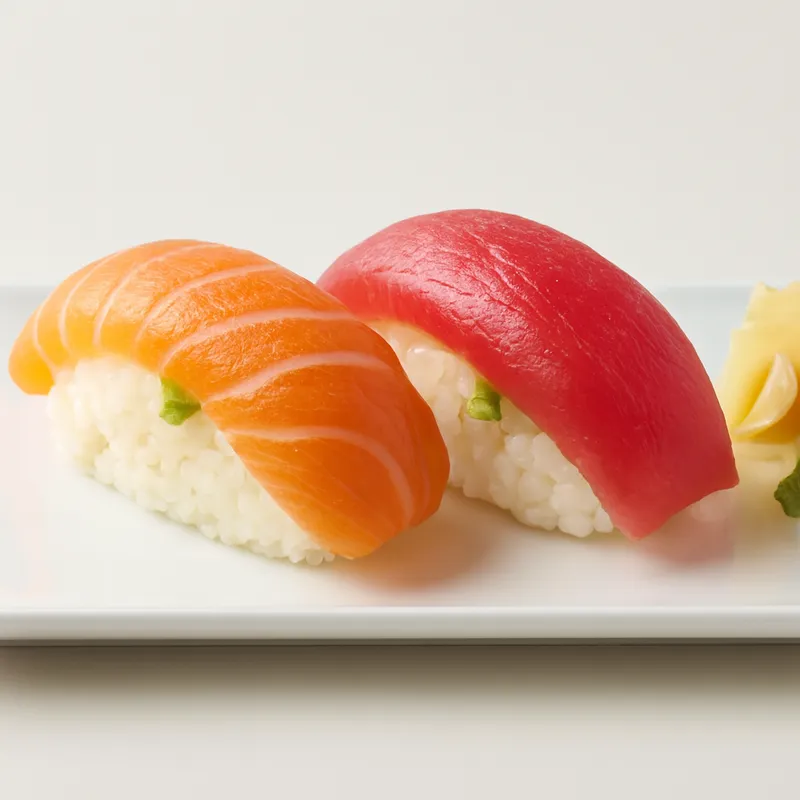
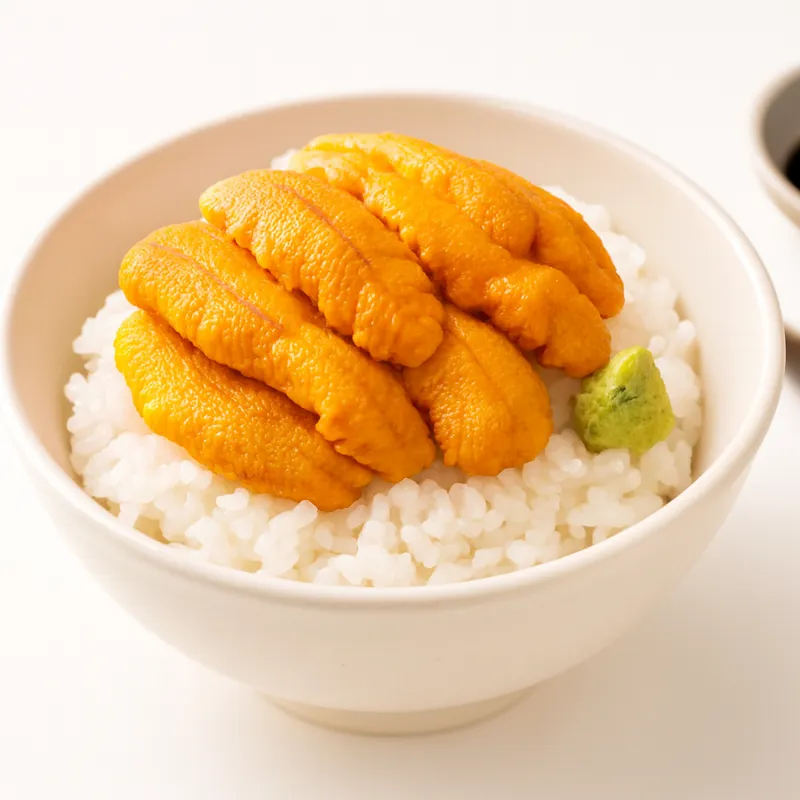
A Hiroshima/Setouchi oyster hot pot: oysters and vegetables simmered in a pot whose inner walls are lined with a thick layer of miso, which gradually dissolves into the broth during cooking. The name dote (earthwork) refers to the miso wall; as it dissolves, it seasons the pot.


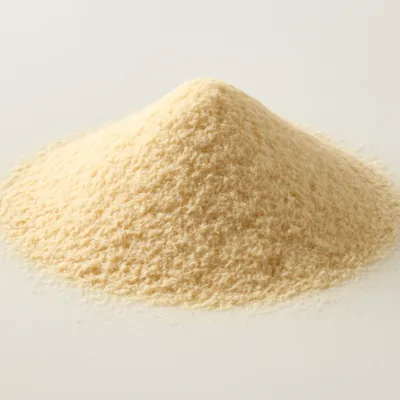


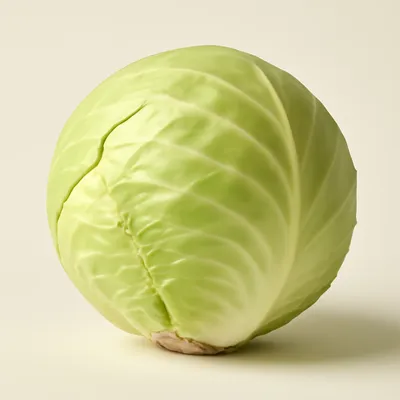
Dote nabe is a Hiroshima and Setouchi region oyster hot pot. Wikipedia documents it within the broader nabemono tradition. The pot's inner walls are coated with a thick layer of miso paste before cooking; as oysters, tofu, and vegetables are added and simmered, the miso gradually dissolves from the walls into the broth, seasoning it progressively. The name dote — earthwork or embankment — refers to this miso wall. Hiroshima's oyster industry, the largest in Japan, provides the key ingredient.
A pot of dote nabe brings up plump, briny oysters and tender vegetables in a deeply miso-savory broth. The oysters, having released their juices into the broth, perfume the entire pot; the miso, melted from the walls, gives a rich, fermented depth. Eaten hot, the broth is the prized element — drink it from the pot at the end.
Dote nabe rests on the progressive dissolution of the miso wall. The thick layer of miso, smeared on the pot's inner walls, dissolves gradually as the broth simmers — this slow release seasons the broth evenly without overpowering it at any point. The oysters contribute inosinate (umami nucleotide) and their briny juices; the miso contributes glutamate (complementary umami) and its fermented complexity. The result is a broth that deepens in flavor throughout the meal, not a fixed seasoning from the start.
Variations
Some versions add tofu, shirataki noodles, or Chinese cabbage; the miso-wall-and-oysters structure is the Hiroshima constant.
On the Palate
Where Dote Nabe sits in the Japanese flavor cloud
Ingredients
Serves 4How it's made
6 steps · 30 min
- 15 min
Coat the inner walls of a donabe with a thick layer of miso paste.
Watch outSmear the miso in a thick, even band around the inner walls, above the broth line — it's meant to dissolve slowly into the dashi through the meal; drop it in all at once and it over-seasons from the start.
- 25 min
Add dashi to the center of the pot; bring to a simmer.
- 320 min
Add fresh oysters, tofu, Chinese cabbage, and scallions.
- 420 min
Simmer gently; the miso will gradually dissolve from the walls into the broth.
Watch outSimmer gently and let the miso slide off the walls into the broth on its own — this slow release deepens the flavor as you eat; stir it all in early and the broth peaks too soon.
- 55 min
Stir occasionally to control the seasoning.
- 65 min
Ladle into bowls; the broth deepens as you eat.
Archive tool suggestions — not reviewed
These legacy suggestions have not been evidence-reviewed and are not presented as required tools.