Pickled rakkyo — a small allium bulb similar to a tiny shallot — cured in sweet vinegar (amazuzuke) or soy-based brine. Crisp, sweet-sour, and pungent, it is the classic accompaniment to Japanese curry rice, where it cuts the richness with its sharp acidity. A traditional tsukemono made in early summer when rakkyo is harvested.
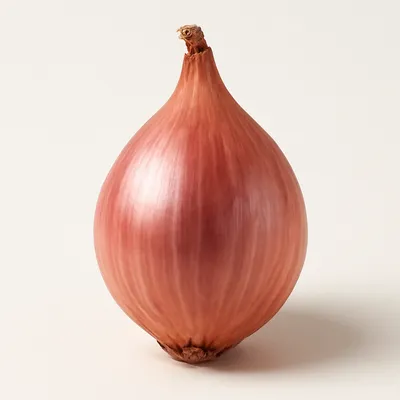


Rakkyo (薤, Allium chinense) is a small bulbous allium native to China, cultivated in Japan since the Heian period. The pickling tradition developed because the fresh bulbs are too pungent to eat in quantity; pickling in sweet vinegar both preserves them and mellows the bite. The association with Japanese curry rice dates to the Meiji era — curry was adopted as a yoshoku dish, and rakkyo was paired with it as the ideal acidic counterpoint, a pairing that became universal. Amazuzuke (sweet-vinegar pickled) is the most common style.
A pickled rakkyo bulb is small, ivory-white, with a firm, almost crunchy texture. The flavor is sharp and pungent up front, then sweet-sour from the vinegar cure, with the unmistakable allium bite. Eaten in one bite alongside curry rice, it cuts through the rich sauce with its acidity. A small jar typically sits on the table at curry restaurants.
Rakkyo pickling depends on the sweet-vinegar cure. The fresh bulbs are peeled (often sold pre-peeled in Japan), salted lightly to draw moisture, then soaked in a solution of rice vinegar, sugar, and a little salt. The vinegar lowers the pH to preserve the bulbs; the sugar balances the acidity and mellows the allium pungency. The salt pre-treatment firms the bulbs so they remain crunchy even after weeks in the brine. Chili is sometimes added for color and a slight heat. The pickled rakkyo keeps for months refrigerated.
Variations
Amazuzuke (sweet vinegar) is most common; some styles use soy or miso paste.
On the Palate
Where Rakkyo sits in the Japanese flavor cloud
Ingredients
Serves 8How it's made
6 steps · 15 min
- 115 min
Peel fresh rakkyo bulbs; trim roots and tops.
- 21 min
Salt lightly and rest 1-2 hours to draw moisture; rinse.
Watch outSalt the bulbs and rest them an hour or two to draw water, then rinse — this pre-salting firms them so they stay crunchy through weeks in the brine.
- 38 min
Make the brine: rice vinegar, sugar, and a little salt, simmered briefly and cooled.
- 43 min
Pack the bulbs in a clean jar; pour the brine over.
- 51 min
Refrigerate at least 1-2 weeks before eating; longer improves flavor.
Watch outGive it at least one to two weeks in the fridge before eating — the sweet-vinegar cure needs time to penetrate and mellow the raw allium bite.
- 61 min
Serve cold alongside curry rice.


