A Zhuang ethnic raw fish salad from Baise, Guangxi — wild-caught Youjiang River bladefish (locally called 蓝刀) are bled immediately after capture, filleted, and sliced paper-thin, then tossed with fragrant perilla leaves, fried peanuts, and the tangy bite of pickled buckwheat stems, yielding a dish that is sour, herbal, and startlingly clean-tasting.

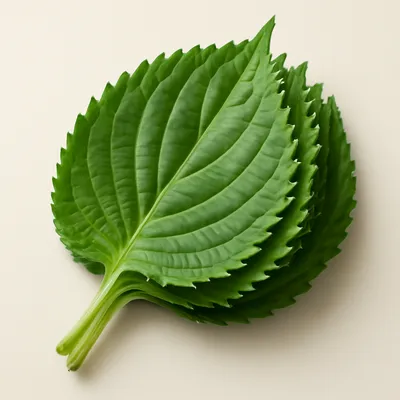




The Youjiang River valley running through Baise has long been the homeland of the Zhuang people, whose raw fish traditions predate written record. Bladefish (蓝刀鱼, Pseudohemiculter dispar — a silver-backed schooling fish common to Guangxi waterways and distinct from the northern 白条) inhabit the swift-flowing middle and upper reaches of the Youjiang and its tributaries, prized for lean, clean flesh with minimal fat. Combining raw fish with perilla and pickled buckwheat stems (酸荞头) reflects the Zhuang flavour principle of balancing freshness with sourness.
Translucent sheets of bladefish barely 1mm thick collapse on the tongue with a mild, milky sweetness; perilla delivers a sharp herbal cut, pickled buckwheat stems bring a piercing sourness, and fried peanuts add crunch and nutty depth — the overall effect is bracingly fresh with a long sour finish.
Bleeding the fish immediately after capture flushes blood-borne myoglobin and haem-iron-activated oxidative enzymes from muscle tissue, suppressing both the metallic off-flavour and rapid lipid rancidity that plague stored freshwater fish at room temperature. Slicing across the muscle fibre direction at under 1mm severs sarcomeres into minimal-resistance units, producing a melt-in-mouth texture without heat. Perilla contains rosmarinic acid, a polyphenol with documented antimicrobial and lipid-antioxidant activity; acetic acid in the pickled buckwheat stems lowers surface pH on the fish slices, further inhibiting spoilage bacteria during the brief dressing period.
Variations
Some households add thinly sliced fresh ginger, lemongrass strips, or river mint alongside the perilla. A drier version using only sesame oil and fresh herbs without pickled vegetables is popular in inland villages. During cooler months, fish is sometimes lightly blanched rather than served fully raw.
On the Palate
Where Baise Bladefish Raw Fish sits in the Chinese flavor cloud
Ingredients
Serves 4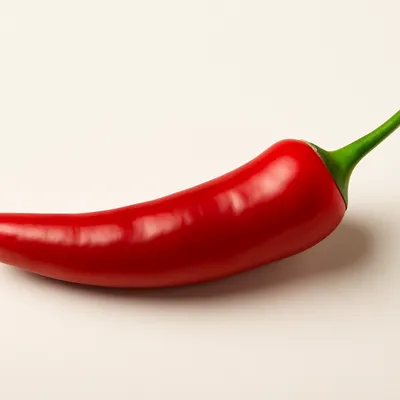
How it's made
6 steps · 45 min
- 15 min
Select 400g live bladefish or freshwater white-strip fish. Immediately after capture, slice the gill artery and hold the fish head-down in cold water for 3–5 minutes until the flesh turns pale and translucent — this removes blood and reduces off-flavour.
Watch outCut the gill artery the moment it's landed and bleed it head-down until the flesh goes pale and translucent — bleeding fresh is what strips the metallic, blood-iron off-taste from freshwater fish.
- 210 min
Scale the fish under cold running water. Make a clean cut along the backbone to yield two fillets. Use tweezers to remove all visible pin bones. Pat dry gently with paper towels.
- 310 min
Lay each fillet skin-side down on a chilled cutting board. Hold a thin, sharp knife at a 15° angle and slice across the grain in strokes no thicker than 1mm. Arrange slices in a single overlapping layer on a chilled serving plate.
Watch outSlice across the grain thinner than a millimetre and hold a slice to the light — it should read translucent, which is what gives the raw fish its melt without any heat.
- 48 min
Toast 80g raw peanuts in a dry pan over medium heat until fragrant and light brown, about 5 minutes. Cool completely, then crush coarsely. Wash and dry a bunch of perilla leaves and cut into thin strips. Rinse 50g pickled buckwheat stems and slice thinly. Slice 1 fresh red chili into rings.
- 54 min
Drizzle 1 tbsp sesame oil and 1 tsp rice vinegar over the fish slices. Scatter perilla strips, pickled buckwheat stems, and chili rings evenly. Toss gently with chopsticks and taste, adjusting salt and acidity as needed.
- 63 min
Pile the crushed peanuts on top and serve within 20 minutes of slicing — both for optimal texture and food safety.
Watch outThis goes to the table within twenty minutes of slicing — that window is both for the melting texture and, more importantly, for safety.

