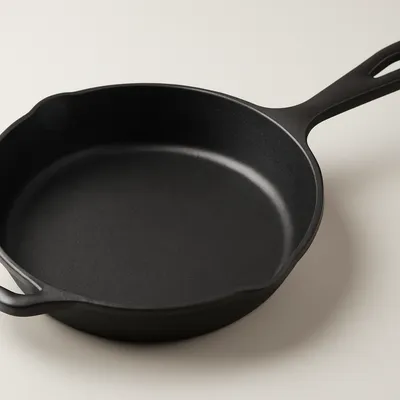
A chopped, pickled relish of end-of-garden vegetables — typically green tomatoes, cabbage, onions, and peppers — put up in a sweet-and-sour brine of vinegar, sugar, and spices. It is the thrift jar of the Appalachian kitchen, a way to save the last unripe and odds-and-ends produce before frost. Tangy, a little sweet, and crunchy, it is spooned over soup beans and cornbread, hot dogs, or greens. Recipes are family heirlooms, swinging from mild and sweet to sharply hot.

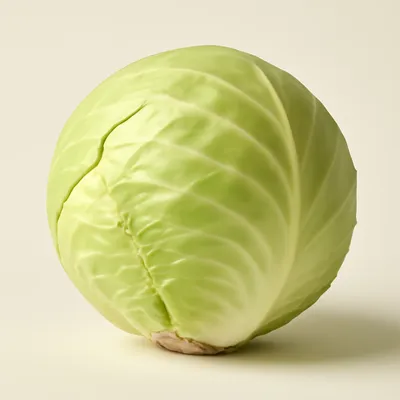

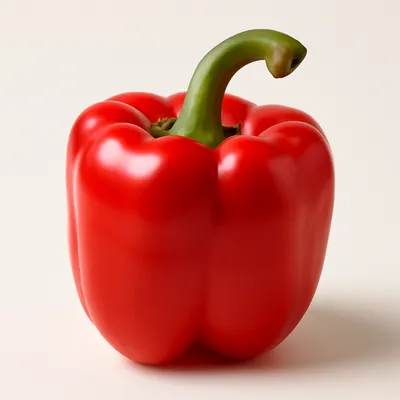
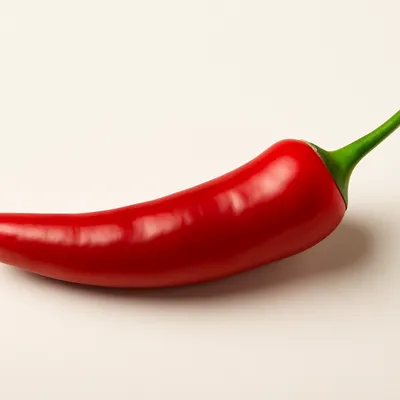

Chow-chow's exact origins are unclear and much debated. One account roots it in the American South; another holds that it came south with Acadians expelled from the Canadian Maritimes in the mid-1700s; yet another traces it to Chinese railroad laborers. A common etymology derives the name from the French 'chou', for cabbage, though this too is unconfirmed. Whatever its source, it found a lasting home in Appalachia and across the South as the classic 'end-of-season' relish: a way to use up green tomatoes and stray vegetables that frost would otherwise claim. That thrifty logic earned it a fixed place beside the region's beans-and-cornbread table.
A coarse, colorful relish — flecks of pale cabbage, green tomato, onion, and bright pepper bound in a glossy brine. The first hit is sharp vinegar tang, then a balancing sweetness, with mustard seed and turmeric giving warmth and a golden cast. The vegetables stay crunchy and crisp-tender rather than soft. Heat varies by maker, from a gentle background warmth to a real chili bite. A spoonful brightens and cuts through the richness of beans, pork, or fried foods.
Chow-chow is a quick-pickle preserve: chopped vegetables are often salted first to draw out water by osmosis, keeping them crisp and concentrating their flavor, then packed in a hot vinegar brine. The vinegar's acidity (and the salt) inhibits spoilage organisms, while sugar and spices balance the sourness and build flavor. Processed and sealed hot in jars, it keeps for months on the shelf without refrigeration. The vegetables soften only slightly because they are not cooked long — the brine does the preserving, not heat.
Variations
The vegetable mix is endlessly local: green tomato and cabbage are common cores, joined by onions, sweet and hot peppers, and sometimes corn, green beans, cauliflower, or squash. Sweetness and heat are the big dials — Pennsylvania Dutch versions tend sweet and lightly pickled, while many Southern and Appalachian jars run sharper and hotter. Some are finely chopped into a near-relish, others left chunky. It is eaten on beans, greens, hot dogs, fried fish, and scrambled eggs alike.
On the Palate
Where Chow-Chow sits in the American flavor cloud
Ingredients
Serves 32

How it's made
8 steps · 14 hours
- 120 min
Finely chop the green tomatoes, cabbage, onions, and peppers.
- 2480 min
Toss the chopped vegetables with salt and let them stand several hours or overnight to draw out water.
Watch outSalt the vegetables and let them sit hours to draw out water — this is what keeps the finished relish crisp instead of limp and watery.
- 310 min
Drain the vegetables well, pressing out excess liquid.
- 410 min
In a large pot, combine the vinegar, sugar, mustard seed, turmeric, and other spices and bring to a boil.
- 55 min
Add the drained vegetables and simmer just a few minutes, until heated through but still crisp.
Watch outSimmer the vegetables just a couple of minutes — only until heated through, still crisp; the brine does the preserving, not long cooking.
- 65 min
Pack the hot relish into clean sterilized jars, leaving headspace.
- 715 min
Wipe the rims, seal with lids, and process in a boiling water bath to make them shelf-stable.
Watch outSeal hot and process in a boiling-water bath so the jars actually vacuum-seal — an unsealed jar won't keep on the shelf.
- 82 min
Cool, check the seals, and let the flavors mellow at least a few days before eating.
Archive tool suggestions — not reviewed
These legacy suggestions have not been evidence-reviewed and are not presented as required tools.