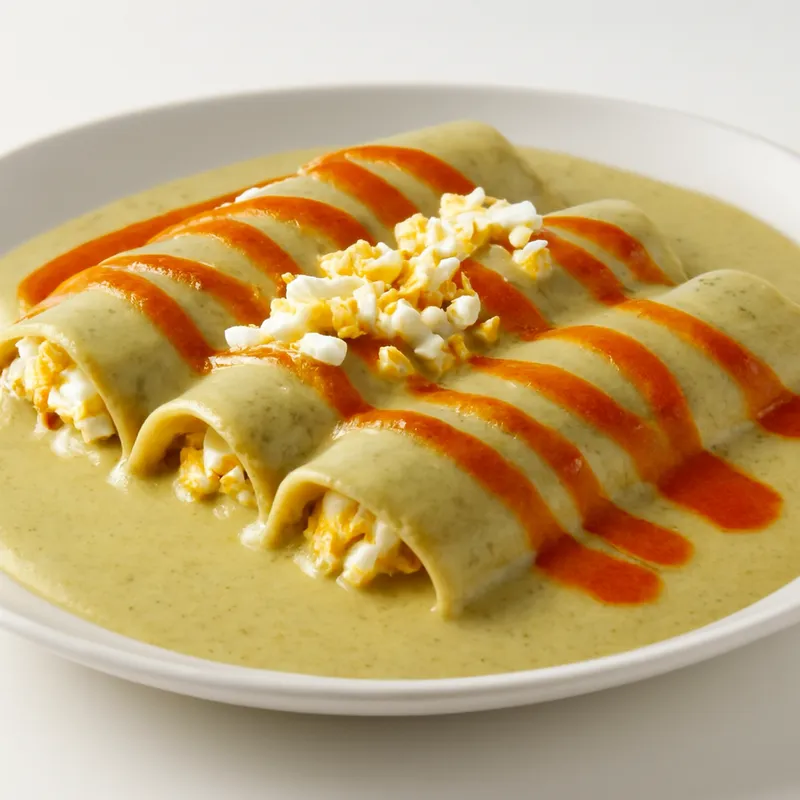
Despite the name, caldo de oso ("bear broth") is not a soup and contains no bear: it is a cold, sour León street cup of crunchy raw jícama and cucumber soused in pineapple vinegar, seasoned with onion, salt, lime, and chile powder, and finished with a heavy snow of grated Cotija. Served in a plastic cup straight from corner carts, it is eaten with a little fork or drunk down, vinegar and all. Bracingly tart and refreshing, it is one of León's signature snacks, especially in the heat.



Caldo de oso is a León snack whose origin is consistently traced to the mid-1970s and to a vendor, Don Evaristo Bonilla, whose stand has long stood at the corner of the Templo Expiatorio in the city center. By the account told around the snack, he prepared a sharp, very sour cup for a friend nicknamed "el oso" (the bear); other customers began asking for "the broth he makes for the bear," and the name caldo de oso stuck. The cup spread from there into a León street staple now sold by vendors across the state. The story is the standard one attached to the snack and explains a name that otherwise misleads first-time visitors.
It hits cold and aggressively sour first — pineapple vinegar puckers the mouth before anything else registers. Then the jícama and cucumber crunch through, watery and clean and ice-cold, with the bite of raw onion and a dusting of chile heat. The grated Cotija melts a little salt and funk into the sharp liquid, rounding the acidity just enough. You eat the vegetables, then tip the cup back and drink the chile-flecked vinegar at the bottom. Pure refreshment — crunchy, tart, salty, and cooling all at once.
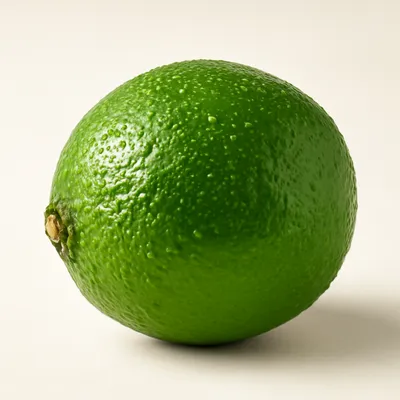
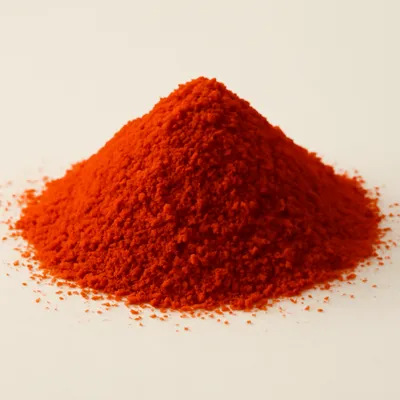
Everything is raw and cold, so the cup is assembled, not cooked, and texture is its whole architecture: jícama and cucumber are cut into batons or cubes that stay crisp and watery against the sharp liquid. Pineapple vinegar is the defining choice — lighter and more aromatic than harsh white vinegar — and it is poured to the brim so the vegetables sit submerged and pick up its sourness. Salt and lime push the acidity further while chile powder adds heat. The grated Cotija is the counterweight: its salt and aged-cheese savor temper the vinegar's edge so the cup reads bright rather than merely sour.
Variations
A common richer version, called "la bomba," adds diced fruit — pineapple, mango — to the jícama and cucumber for sweetness against the sour. Heat is adjusted with more or less chile powder or a splash of hot chile sauce, and some add extra lime. The amount of Cotija is a matter of taste, piled on by the spoonful at the better stands. It is sold alongside León's other street icon, the chicharrón torta known as the guacamaya.
On the Palate
Where Caldo de Oso sits in the Mexican flavor cloud
Ingredients
Serves 2
How it's made
7 steps · 10 min
- 15 min
Peel jícama and cucumber and cut into thin batons or small cubes.
- 21 min
Finely dice a little white onion.
- 31 min
Combine the jícama, cucumber, and onion in a cup or bowl.
- 41 min
Season with salt, a squeeze of lime, and chile powder to taste.
- 51 min
Pour pineapple vinegar over to nearly cover the vegetables.
Watch outPour the pineapple vinegar in to nearly cover the vegetables — they need to sit submerged to soak up its sourness, and its lighter aroma is why it beats harsh white vinegar here.
- 61 min
Top generously with grated Cotija cheese.
Watch outTop generously with grated Cotija — its salty aged-cheese savor is the counterweight that keeps the cup bright rather than just sour.
- 71 min
Serve cold at once, with a fork; drink the chile vinegar from the bottom.
Archive tool suggestions — not reviewed
These legacy suggestions have not been evidence-reviewed and are not presented as required tools.