A Mexican peanut marzipan: roasted peanuts ground with powdered sugar to a fine, dry powder, then pressed in a round mold into a fragile disc that crumbles and dissolves on the tongue. Unlike European almond marzipan it uses no egg or syrup binder — it holds together by sugar and peanut oil alone, which is why a Mazapán de la Rosa famously falls apart the moment you unwrap it. Intensely sweet and nutty, it is one of Mexico's most recognizable candy-shop sweets, eaten straight from its red-and-yellow wrapper.


Marzipan came to Mexico as a Spanish convent confection of ground almonds and sugar, but in Mexico the cheaper, locally abundant peanut replaced the almond, giving the distinctively crumbly mazapán de cacahuate. The form most Mexicans mean by mazapán is the branded disc made by Dulces De la Rosa, a confectionery founded in Guadalajara, Jalisco, by Jesús Michel González — the company dates its origins to the 1940s and its peanut mazapán became a nationwide staple. The generic peanut-marzipan technique is older and shared, but the round pressed tablet in its red-and-yellow wrapper is the Jalisco brand's signature product rather than an anonymous folk sweet.
A round tablet that looks solid but yields to the lightest pressure — it cracks, then crumbles to a fine sandy powder against the roof of the mouth. The flavor is pure roasted peanut and sugar, dense and immediate, with the dry mealiness of finely ground nut. There is no chew and no resistance; it dissolves rather than melts, and the trick (every Mexican child knows it) is to eat it slowly so it doesn't shatter in your hand first. Sweet to the edge of too sweet, saved by the toasty depth of the peanut.
The candy holds together with no added binder because finely ground roasted peanuts release enough of their own oil to coat the powdered sugar and pack it into a fragile solid under pressure — fat acting as the glue, sugar as the body. Roasting first is essential: it drives Maillard browning for the toasted aroma and dries the nut so it grinds to powder instead of seizing into paste. The grind must be fine and the mix dry; any moisture would clump it. Because the bond is only fat-and-friction, the disc is structurally weak by design — it crumbles at a touch and powders on the tongue, where saliva instantly dissolves the sugar and disperses the peanut. European marzipan, bound with egg white or sugar syrup, is chewy precisely because it has the binder this candy omits.
Variations
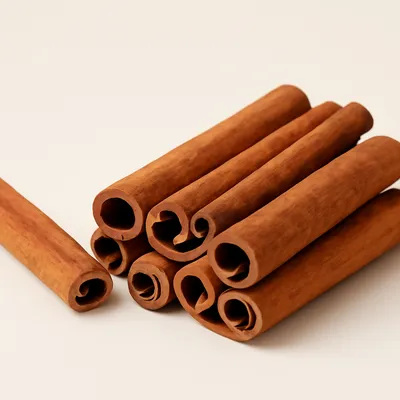
The classic is plain peanut; chocolate-covered (mazapán enchocolatado) dips the disc in chocolate to hold it together and add richness. Almond mazapán survives as the older, European-style convent sweet. Home and artisan versions add a pinch of salt to sharpen the peanut, or grind in a little cinnamon. The same peanut powder is pressed into novelty shapes and bars, but the round wrapped tablet remains the canonical form.
On the Palate
Where Mazapán de la Rosa sits in the Mexican flavor cloud
Ingredients
Serves 12How it's made
5 steps · 15 min active + 5 min waiting
- 18 min
Roast the peanuts until fragrant and golden, then let them cool completely.
Watch outRoast the peanuts until fragrant and golden — that toasting dries the nut so it grinds to powder and gives the flavour; skip it and it seizes into paste with no aroma.
- 24 min
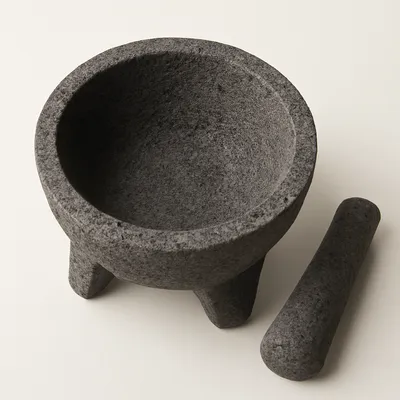
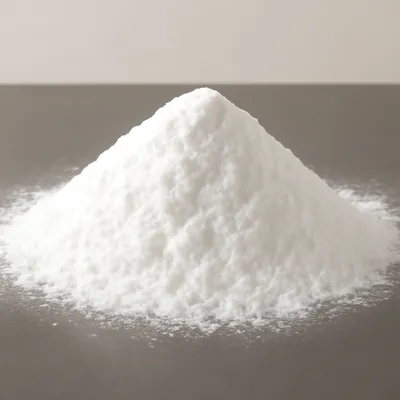
Grind the peanuts with the powdered sugar to a fine, dry powder.
- 31 min
Test the mix by pressing a pinch — it should hold its shape; grind further if it crumbles too freely.
- 42 min
Press the powder firmly into a round mold to form discs.
Watch outPress the powder firmly into the mold — the only bond is peanut oil and friction, so a firm pack barely holds; press loose and it won't even hold its shape.
- 55 min
Turn the discs out gently and let them rest a few minutes to firm before wrapping or serving.
Archive tool suggestions — not reviewed
These legacy suggestions have not been evidence-reviewed and are not presented as required tools.