Thick triangular corn-masa cakes from Tepoztlán in Morelos, griddled on a comal, then split open and stuffed with cheese, salsa, beans, and other fillings. The masa is mixed with a little lard and shaped into a distinctive three-cornered patty thicker than a tortilla, cooked dry on the comal until the outside firms and lightly browns. Sold from baskets and stalls in the town's market and around its plaza, they are filling handheld antojito eaten hot.



Itacates are associated above all with Tepoztlán, the old town beneath the Tepozteco cliffs in northern Morelos, where they are a market and street staple. The name comes from the Nahuatl itacatl, meaning provisions or food packed to carry on a journey — the same root behind the modern Mexican custom of sending guests home with an itacate of leftovers. That etymology fits the food: a sturdy, portable masa cake meant to be filling and easy to carry. As a traditional antojito its precise origin is not dated, but the Nahuatl name and the corn-masa-and-comal technique place it squarely in the indigenous foodways of the central highlands. In Tepoztlán they remain a defining local snack.
The outside is dry and lightly crusted from the comal, with a firm bite that gives way to a hot, soft, dense masa interior — heartier and more substantial than a tortilla, closer to a thick gordita in body. Split and filled, it turns into a warm pocket: stringy melted cheese, the heat and acid of salsa, the softness of beans, all wrapped in toasted corn. The corn flavor of the masa is forward, and the lard gives it a savory richness and tender crumb.
The masa is nixtamalized corn dough — corn cooked and steeped in an alkaline lime solution, which loosens the hull, changes the starch and protein so the dough is cohesive and pliable, and frees niacin and aroma compounds that give nixtamal its characteristic corn flavor. Working a little lard into the masa shortens it, giving a tenderer, richer cake and helping it stay moist. The triangular patty is made thick on purpose: cooked dry on a hot comal, the surface dehydrates and browns via the Maillard reaction into a firm crust while the inside steams in its own moisture and stays soft. Splitting the hot cake and filling it lets residual heat melt the cheese.
Variations
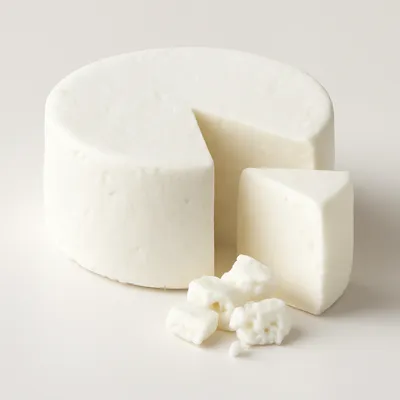
Fillings vary widely — fresh or melting cheese, salsa verde or roja, refried beans, chicharrón, nopales, or a guisado — and many stands let you choose. Some cooks make the masa plain while others work in beans or season it. The thick triangular shape and comal cooking are the constant. They sit in the same family of thick masa antojitos as gorditas, tlacoyos, and memelas, but the three-cornered form and the Tepoztlán association are their own.
On the Palate
Where Itacates sits in the Mexican flavor cloud
Ingredients
Serves 4
How it's made
6 steps · 35 min active + 5 min waiting
- 110 min
Mix masa harina with warm water and a little lard and salt, and knead into a smooth, pliable dough.
Watch outWork a little lard into the masa and knead until smooth and pliable — the fat shortens it so the thick cake stays tender and moist rather than dense.
- 25 min
Rest the dough briefly so it hydrates evenly.
- 35 min
Divide and shape the dough into thick three-cornered patties.
- 412 min
Cook the itacates dry on a hot comal, turning, until the outsides firm and brown lightly and the inside is cooked through.
Watch outCook dry on a hot comal until the outside firms and browns lightly and the inside is done — too hot and it chars before the thick center cooks through.
- 52 min
Split each hot cake partway open along an edge to make a pocket.
- 63 min
Stuff with cheese, salsa, beans, or other fillings while still hot, and serve at once.
Archive tool suggestions — not reviewed
These legacy suggestions have not been evidence-reviewed and are not presented as required tools.