Tetelas are triangular masa pockets from the Mixtec highlands of Oaxaca and Puebla: a round of fresh corn masa is spread with a thin layer of refried black bean paste, then folded into a neat triangle that seals the filling inside and griddled on a comal until the masa is spotted and toasted. They are simple, ancient food — corn and bean in one hand-held parcel — eaten plain with a squeeze of salsa, or dressed up with crumbled cheese, crema and avocado. The triangular fold is the signature, both a clever way to keep the filling hot and the dish's unmistakable mark.



Tetelas are a pre-Hispanic dish credited to the Mixtec people of the highlands straddling Oaxaca, Puebla and Guerrero, and they are one of the relatively few Mesoamerican corn dishes that have survived in essentially their old form, alongside the tamal. They are built on the two foundational milpa crops, corn and beans, and on nixtamalization, the ancient lime-treatment of corn. Rather than having a recorded founding date, they are deep traditional country food, especially associated with the Mixteca and with town festivals in places like Tecomaxtlahuaca and Juxtlahuaca. The triangular shape — distinctive among Mexican antojitos — and the simple bean filling are their defining and clearly very old features.
Hot off the comal, the masa is toasty and a little crisp where it touched the griddle, soft and steamy within, smelling of cooked corn. Bite through and the seam of refried black bean is dense, earthy and savory, often carrying a faint anise note if the beans were cooked with the wild herb hierba de conejo. Plain, it is humble and grain-forward, corn against bean; dressed with salty crumbled cheese, cool crema and a sharp green salsa, it gains brightness and richness. The triangle eats neatly in the hand, the toasted masa giving way to the warm bean center.
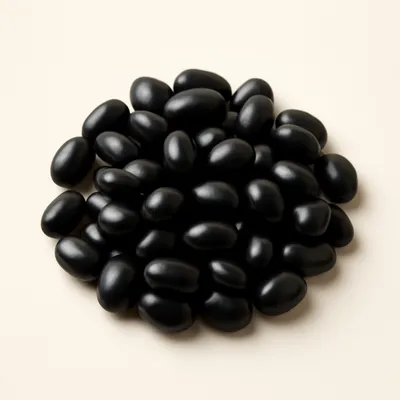
The base is nixtamalized corn masa: dried corn simmered with cal (lime), which loosens the hull, frees bound niacin and lets the corn grind into a cohesive, pliable dough that holds a fold without cracking. A fresh masa round is pressed thin, spread with a smear of refried bean, and folded by lifting three sides toward the center into a triangle — the fold seals the filling and traps steam, which is the traditional point of the shape. Cooking is dry, on a hot comal: direct contact toasts the surface, driving Maillard browning and a roasted-corn aroma while the inside steams soft and the bean heats through. No fat or frying is needed; the comal's dry heat does everything, which is why tetelas taste cleanly of toasted corn.
Variations
The classic filling is refried black bean, traditionally seasoned with the Oaxacan herb hierba de conejo and sometimes a little cheese; other versions use quesillo (Oaxaca cheese), squash blossom, mushrooms or chicharrón. Toppings range from nothing more than salsa to a full load of queso fresco, crema, avocado and salsa verde. The triangular masa pocket is the constant. Within the broad world of griddled Mexican masa antojitos, tetelas are set apart by that triangle fold and their old Mixtec, bean-filled identity — cousins to the boat-shaped memelas and the stuffed gorditas, but unmistakably their own three-cornered shape.
On the Palate
Where Tetelas sits in the Mexican flavor cloud
Ingredients
Serves 4
How it's made
8 steps · 35 min active + 5 min waiting
- 18 min
Warm or prepare refried black beans into a thick, smooth, spreadable paste, seasoning with herbs if available.
- 26 min
Divide fresh masa into balls and press each thin between a lined tortilla press or by hand.
- 34 min
Spread a thin layer of refried bean over the masa round, leaving a small border.
- 45 min
Fold three sides of the round toward the center to form a triangle, sealing the filling inside.
Watch outFold three sides to the center and press the seams — if they gape, steam escapes and the masa cracks on the comal.
- 52 min
Heat a comal or dry skillet over medium-high heat.
- 68 min
Cook the tetelas on the dry comal, turning, until both sides are spotted brown and the masa is toasted and cooked through.
Watch outWait for brown spots to freckle the surface before turning — that toasted skin is the roasted-corn flavor and it means the inside has steamed through.
- 72 min
Keep warm while you griddle the rest.
- 82 min
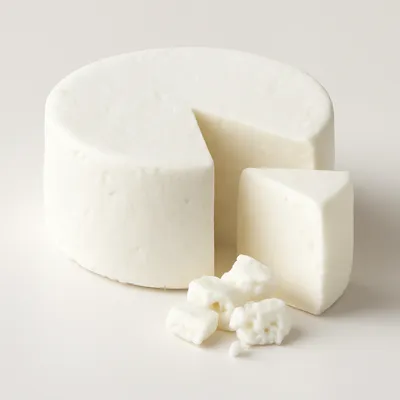
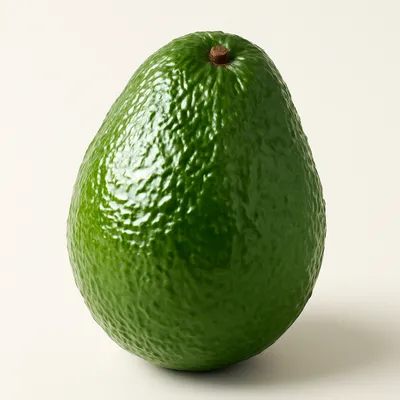
Serve hot, topped with crumbled queso fresco, crema, avocado and salsa verde, or simply with salsa.
Archive tool suggestions — not reviewed
These legacy suggestions have not been evidence-reviewed and are not presented as required tools.