
A brothy home soup from Sonora in northern Mexico, not a cream soup. It is built on a light tomato broth: diced potatoes, white onion and tomato, with roasted green chile peeled and cut into strips (rajas). The broth is finished with milk and, at the very end, cubes of fresh cheese that soften and half-melt without dissolving. It is served hot, with tortillas on the side, and is everyday rural and ranch cooking rather than a restaurant dish.





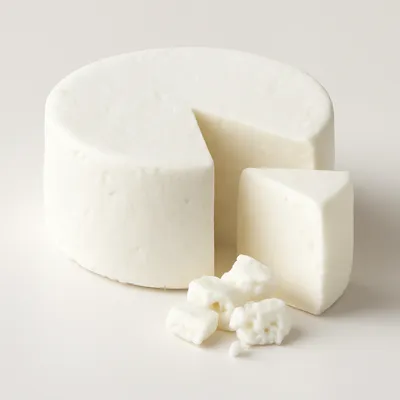
The exact origin is unrecorded; caldo de queso is a humble Sonoran home dish rooted in the rural and ranching kitchen of the desert north, with no named inventor or date. Its character is tied directly to Sonora's cattle and dairy economy: fresh-cheese making was a routine activity in the region because of the abundance of cattle, and that everyday fresh cheese is what gives the soup its name and its body. It pairs the local dairy with the green chiles of the north, and although it happens to be meatless, no documented Lenten or vigilia tradition is attached to it.
Warm and mild, the broth carrying a gentle smoky-sweet edge from the roasted chile and a soft tang from tomato and milk. The potatoes are tender, the chile strips supple, and the cheese cubes have gone soft and creamy at the center while still holding their shape — a pull of stretch as you lift the spoon, with a clean milky finish.
The green chiles are charred until the skin blisters, then sweated and peeled and cut into rajas; the char gives the broth its smoky depth. Onion and tomato are fried briefly, the potatoes simmered in broth until tender, and only then is the milk added. The crucial step, named the secret of the dish, is never to add the milk while the broth is at a hard boil — the heat and tomato acidity would curdle the milk proteins, so it is kept to a gentle simmer or even stirred in off the heat. The fresh cheese, an un-aged acid-set cheese with low meltability, is added last so it softens and half-melts but does not liquefy.
Variations
Versions vary in the amount of milk and whether tomato is used, and some add carrot. The cheese is usually a local queso fresco or queso regional; a common variant uses queso panela. It is served hot with wheat or corn tortillas on the side and, in some homes, a squeeze of lime.
On the Palate
Where Caldo de Queso sits in the Mexican flavor cloud
Ingredients
Serves 4
How it's made
8 steps · 30 min active + 15 min waiting
- 110 min
Char the green chiles directly over flame or on a hot comal until the skins blister and blacken, then enclose them to sweat, peel away the skins, and cut the flesh into strips (rajas).
Watch outChar the chiles until the skins blister and blacken, then sweat them covered so the peels slip off — that char is where the broth's smoky depth comes from.
- 25 min
Fry the chopped white onion in a little oil until soft, then add the chopped tomato and cook briefly to a light base.
- 312 min
Add the diced potatoes and pour in water or broth to cover; simmer until the potatoes are tender.
- 41 min
Stir in the chile rajas and season with salt.
- 53 min
Lower the heat to a gentle simmer and pour in the milk slowly, without letting the soup return to a hard boil.
Watch outPour the milk in slowly and never let the soup return to a hard boil — the heat and tomato acidity will curdle the milk into flecks.
- 63 min
Warm through gently so the milk and broth meld without curdling.
- 74 min
Turn off the heat and add the cubes of fresh cheese, letting them sit until softened and half-melted.
Watch outAdd the fresh cheese off the heat and let it sit until half-melted — this low-melt cheese should soften into soft pockets, not dissolve away.
- 82 min
Ladle hot into bowls and serve with tortillas, and lime if desired.
Archive tool suggestions — not reviewed
These legacy suggestions have not been evidence-reviewed and are not presented as required tools.


