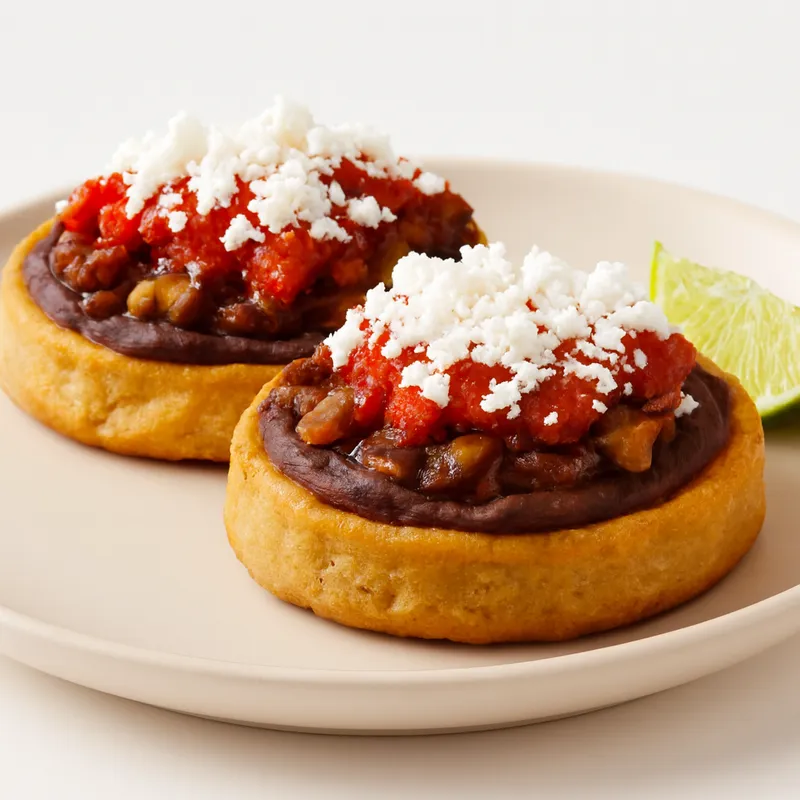
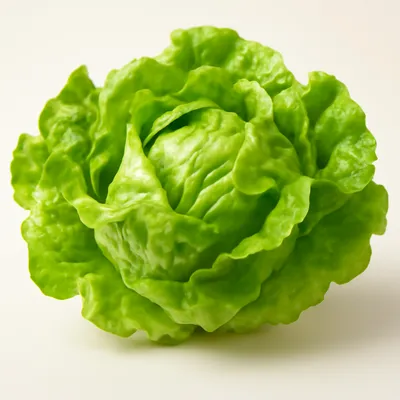
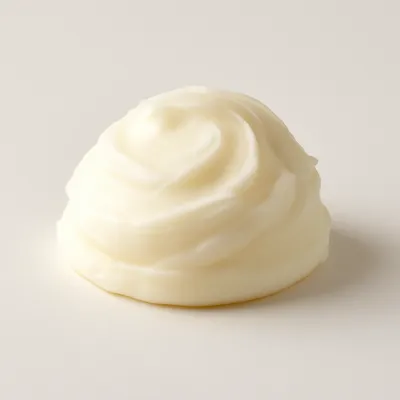
Huaraches are a Mexico City antojito built on a large, oblong masa base — roughly 20 cm long and shaped like the sole of a huarache, the woven-leather sandal it is named for. The nixtamalized masa is patted into a thick, flat oval (thicker than a tortilla) and cooked on a comal, sometimes with a thin layer of refried beans worked into the dough, then lightly fried or kept on the griddle until the surface firms. It is finished open-faced: a smear of refried beans, salsa verde or roja, a meat such as carne asada, bistec, tinga or sautéed nopales for a vegetarian version, then shredded lettuce, crumbled queso fresco and a drizzle of crema. Sold at markets and street stalls across the capital, it is one of the largest of the Mexican masa snacks, eaten with the hands or with a knife and fork.



The huarache is a 20th-century Mexico City creation, generally credited to Carmen Gómez Medina, who from around 1935 ran a stall near the Canal de La Viga on the east side of the city (in what is now Venustiano Carranza) selling sopes and tlacoyos. Working with masa and beans, she is said to have made an elongated, bean-filled cake — longer than a tlacoyo, with holes pricked across the top — and named it huarache for its resemblance to the sandal's sole; a second account credits a local butcher who asked for a steak served on masa. Gómez Medina later moved her business to the Mercado de Jamaica, and through her family's stalls the dish spread across the capital's fondas and street corners. The sandal's own name, huarache, is generally traced to the Purépecha (Tarascan) word kwarachi, meaning "sandal," though the precise historical record for that etymology is thin.
A long, sandal-shaped masa base, comal-charred to a crisp, browned skin with tender, corn-heavy crumb within. First the warm smear of refried beans, then the savory meat — the char of carne asada or the smoky-sweet tinga — then the cool tang of crema, the dry salt of crumbled queso fresco, and the heat and acid of the salsa cutting through it all. It is sturdier and far larger than a sope, the toppings sitting flat on the surface rather than dammed by a rim. Eaten with the hands at a market counter, or with a knife and fork when the toppings pile high.
The base depends on nixtamalization: dried corn is simmered and steeped in lime (cal, calcium hydroxide), an alkaline cook that loosens the hulls, frees bound niacin, and reorders the starch so the ground masa becomes cohesive and pliable — a gluten-free dough that can be pressed thick without crumbling. Unlike a thin round tortilla, the masa is shaped into a thick, oblong oval and cooked on a comal at high heat, so the surface dries and Maillard-browns into a firm, faintly charred shell while the interior stays soft and moist — sturdy enough to carry heavy, wet toppings without going limp. Beans are often worked into or smeared onto the base while it is still warm, and some cooks finish the base in a film of hot oil or lard to set a crisper, sturdier crust before the toppings go on.
Variations
Toppings range widely — carne asada, bistec, tinga, chorizo, sautéed nopales, potato, or a fried egg — over the bean-smeared base. The huarache sits among a family of Central Mexican masa antojitos but is distinct from each: sopes are round, palm-sized and built with a pinched rim that dams the toppings; tlacoyos are smaller, oval and sealed with the bean or fava filling inside before cooking; gorditas are puffed cakes split open and stuffed after they cook; memelas are thinner oval griddle-cakes. The huarache alone is large, oblong and flat, with no pinched rim and no internal stuffing — the toppings simply sit open-faced on the surface.
On the Palate
Where Huaraches sits in the Mexican flavor cloud
Ingredients
Serves 2

How it's made
7 steps · 30 min
- 18 min
Mix masa harina with warm water and a little salt to a soft, pliable dough; if the edges crack when pressed, add more water.
- 25 min
Divide into portions and roll into balls; for a bean-worked base, press a ball flat, add a little refried bean, and reseal.
- 34 min
Pat or press each ball into a long, oblong oval about 20 cm long and a little under 1 cm thick.
Watch outPat or press the masa into a thick oblong, not a thin round — the thickness is what lets it carry heavy wet toppings without going limp.
- 48 min
Cook each base on a dry comal or griddle over medium-high heat, turning, until it firms and browns, about 3-4 minutes per side.
Watch outCook on a dry comal, turning, until it firms and Maillard-browns with a faint char — a soft, pale base collapses under the toppings.
- 52 min
If you like a crisper base, slide it through a thin film of hot oil or lard for a minute, then drain.
- 62 min
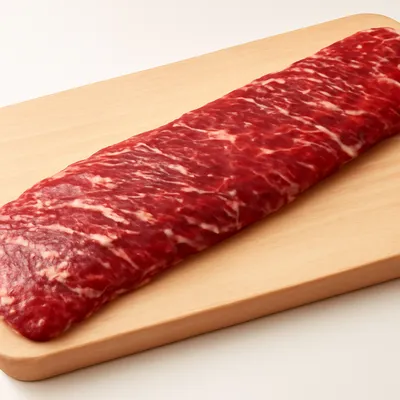
Spread the warm base with refried beans and the salsa; lay on the cooked meat or sautéed nopales.
- 71 min
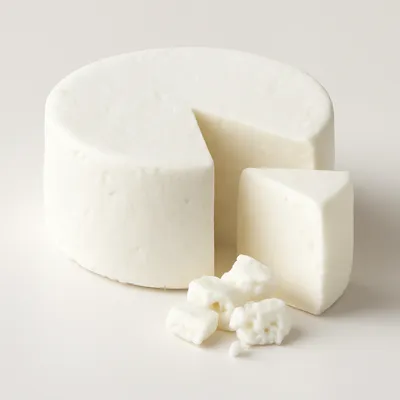
Top with shredded lettuce, crumbled queso fresco and a drizzle of crema, and serve hot.
Archive tool suggestions — not reviewed
These legacy suggestions have not been evidence-reviewed and are not presented as required tools.