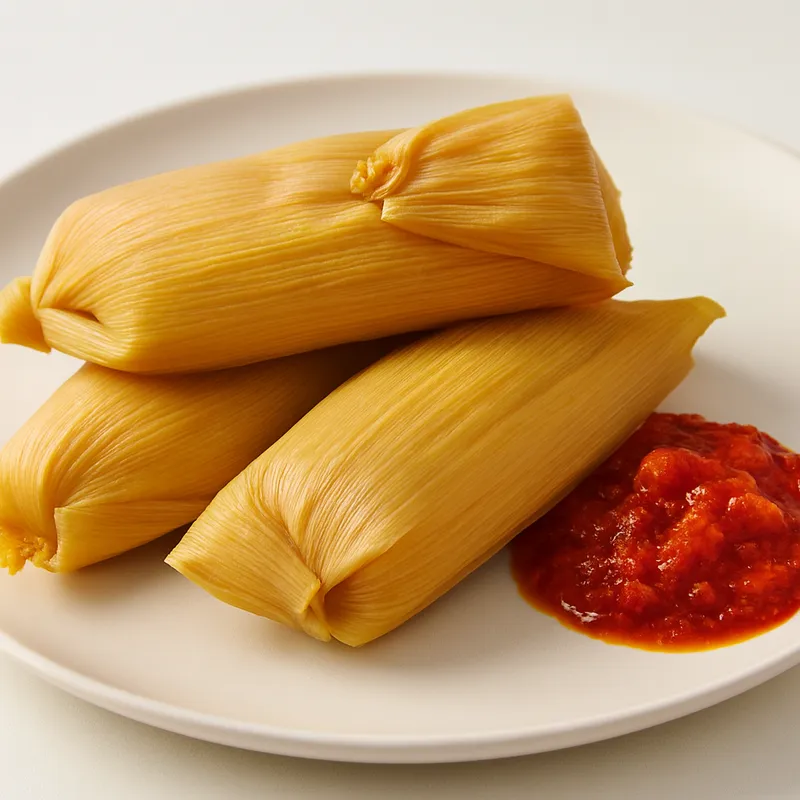
A central-Mexican antojito: a folded raw corn-masa tortilla filled with huitlacoche (the corn fungus Ustilago maydis) that has been sauteed with epazote, white onion, garlic and a serrano or arbol chile, then cooked on a comal or fried until the masa blisters and chars. It is one of the canonical Mexico City quesadilla fillings — the huitlacoche-filled member of the family rather than a separate dish — and it can be made with quesillo (Oaxaca string cheese) or, in the city's well-known purist style, with no cheese at all. The filling cooks down to an inky blue-black, almost mushroomy paste. It is eaten hot off the griddle, often with a squeeze of lime and a spoon of salsa.





Huitlacoche is a pre-Hispanic Mesoamerican ingredient: the swollen blue-black galls that form when the fungus Ustilago maydis (corn smut) infects the ears of maize, prized as a delicacy in central Mexico rather than discarded as a crop disease. It has been eaten since at least Aztec times, and the name itself is Nahuatl, though its precise derivation is debated — it is usually parsed from cuitlatl (an outgrowth or excrescence, sometimes loosely glossed as "excrement") plus a root meaning "to sleep," giving a reading often rendered as "sleeping excrescence," said to describe how the fungus grows over the kernels and leaves them dormant. In the United States it was rebranded the "Mexican truffle" after a 1989 dinner at the James Beard House in New York. Quesadillas are a colonial-era development built on the pre-Hispanic masa tortilla, and huitlacoche became one of their classic fillings; a precise "first quesadilla de huitlacoche" cannot be reliably dated.
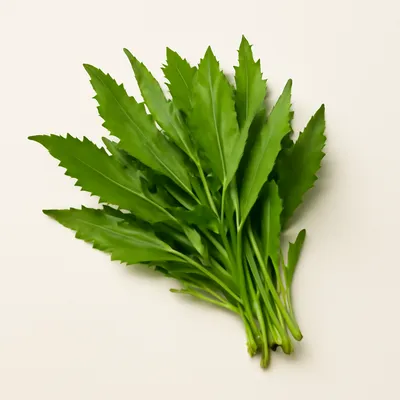
The filling is earthy and mushroomy, savory and faintly sweet, with a soft inky-black paste that stains the masa. There is real smoke and char from the comal, the toasted-corn aroma of the masa itself, and a resinous, almost medicinal herbal lift from the epazote that is essential here, not optional. The chile adds a clean green heat. If made with cheese, the quesillo pulls into long molten strands; the purist cheeseless version lets the huitlacoche stand alone. A squeeze of lime cuts the richness.
The masa is nixtamalized corn: the kernels are steeped and cooked in an alkaline lime (calcium hydroxide) solution at roughly pH 11–12, which dissolves the hemicellulose gluing the cell walls, loosens the hulls, frees bound niacin and makes the corn's tryptophan available (preventing pellagra), and adds calcium. Crucially it lets the ground corn form a cohesive, plastic dough even though corn has no gluten — without nixtamalization, plain cornmeal will not bind into a tortilla. The huitlacoche itself is the fungus Ustilago maydis, which on infecting the ear converts kernels into swollen galls rich in glucose and other simple sugars and higher in protein and lysine than healthy corn; cooking concentrates those sugars and drives Maillard browning, deepening the umami and turning the galls blue-black. On a comal held near 200°C the raw masa sets and chars via the Maillard reaction, and because the tortilla is folded around the filling and cooked from raw, the masa and huitlacoche fuse into one piece rather than sitting as separate layers.
Variations
The main divide is cheese or no cheese: many cooks fold in quesillo (Oaxaca string cheese), while in Mexico City the famous "con queso?" debate means the default quesadilla can come without any cheese at all, letting the huitlacoche carry it. The tortilla may be comal-griddled (drier, more charred) or deep-fried in lard or oil (crisper, puffier). The same huitlacoche-and-epazote saute also fills tacos, sopes and tlacoyos, enriches soups and a creamy crepas de huitlacoche, and appears in higher-end restaurant plates. Closely related are its sibling Mexico City fillings — flor de calabaza (squash blossom), tinga and rajas con queso — built on the same folded masa.
On the Palate
Where Quesadilla de Huitlacoche sits in the Mexican flavor cloud
Ingredients
Serves 2

How it's made
7 steps · 18 min active + 2 min waiting
- 14 min
If using fresh huitlacoche, rinse the galls briefly, pat dry and chop coarsely; finely dice the white onion and garlic and slice the serrano or arbol chile.
- 23 min
Heat a little lard or oil in a skillet over medium-high heat and soften the onion, garlic and chile for 2–3 minutes until fragrant and translucent.
- 37 min
Add the huitlacoche and a few epazote leaves, season with salt, and saute 6–8 minutes until it darkens to inky blue-black and any liquid cooks off into a thick paste; set aside.
Watch outSaute the huitlacoche until it darkens to inky blue-black and the liquid cooks off to a thick paste — a watery filling makes the tortilla soggy and it won't seal.
- 44 min
Form the masa: press balls of fresh masa (or masa harina mixed with warm water) into thin rounds using a tortilla press lined with plastic.
- 53 min
Spoon the warm huitlacoche along one half of each raw tortilla, add a little quesillo if using, and fold over into a half-moon, pressing the edge to seal.
- 65 min
Cook on a dry comal or griddle near 200°C, turning once, about 2–3 minutes per side, until the masa blisters and chars in spots and any cheese melts (or shallow-fry in hot oil until crisp and puffed).
Watch outCook on a near-200°C comal, turning once, until the masa blisters and chars in spots — those toasted spots are the flavor, and the cheese should melt through by then.
- 71 min
Serve immediately, hot off the griddle, with lime wedges and salsa.
Archive tool suggestions — not reviewed
These legacy suggestions have not been evidence-reviewed and are not presented as required tools.