A dark, near-black ceremonial mole from Tlaxcala, thickened with toasted corn masa rather than nuts or bread and built on dark chiles, sometimes deepened with the inky corn fungus huitlacoche. It is a festival dish, cooked in volume for patron-saint feasts, weddings, and town fairs and ladled with pieces of pork into clay cajetes. Where the famous moles of Puebla and Oaxaca are sweet and complex, mole prieto is earthy, lightly thickened, and deliberately austere — a masa-bound chile broth that tastes of toasted corn and dark chile.
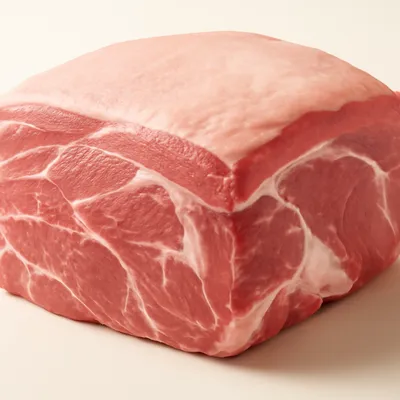



Mole prieto, also called mole negro tlaxcalteca, belongs to Tlaxcala, the small highland state east of Mexico City, and is tied to the religious and communal feasts of its towns, where it is prepared in great clay or copper cauldrons for the whole community. It is widely described as a dish of pre-Hispanic lineage, reflecting an indigenous base of corn masa, native chiles, and local ingredients with little of the European nut-and-spice layering that defines colonial-era moles; this antiquity is part of how the dish is understood locally, though a precise origin date is not documented. What is consistent across accounts is its role and its structure: a community festival mole, thickened with toasted masa, dark with chile and sometimes huitlacoche, served with pork in cajetes at town celebrations.
This is not the glossy, layered mole of Puebla — it is thinner, darker, and starker. The body is light and a little grainy from the masa, more sauce than paste, and the color runs from deep brown to near-black. The flavor is earthy and savory: toasted corn from the masa, the bitter-fruity depth of dark chiles, and where huitlacoche is used, a mushroomy, smoky-sweet note like cooked corn turned earthy. Heat is present but restrained. Eaten with tender pork and a stack of tortillas to spoon it up, it is rustic, warming festival food.
The defining technique is thickening with toasted masa instead of the nuts, seeds, and fried bread that body other moles. Corn masa is dispersed into the chile broth and cooked until the starch granules swell and gelatinize, giving the sauce a light, slightly grainy body and a toasted-corn flavor — toasting or browning the masa first deepens that flavor through the Maillard reaction. The dark chiles are toasted and ground to release their fat-soluble pigments and bitter-fruity compounds; over-toasting tips them to acrid, so the cook walks the line. Huitlacoche, when added, brings glutamate-driven savoriness and its own black pigment, reinforcing both the color and the earthy depth.
Variations
Recipes differ town to town across Tlaxcala in the mix of dark chiles and in whether huitlacoche, herbs like epazote, or local greens go in; some versions are simply a dark masa-and-chile mole without the fungus. The meat is usually pork, sometimes turkey or chicken. It is the structural cousin of the masa-thickened moles de olla and the chileatole family, and stands apart from the sweet, nut-rich moles of Puebla and Oaxaca by being savory, austere, and corn-thickened.
On the Palate
Where Mole Prieto Tlaxcalteca sits in the Mexican flavor cloud
Ingredients
Serves 8

How it's made
8 steps · 1 hour 30 min active + 1 hour 30 min waiting
- 160 min
Simmer pork pieces in water with onion and garlic until tender, reserving the broth.
- 212 min
Toast the dark chiles on a comal until fragrant but not burnt, then soak in hot water to soften.
Watch outToast the dark chiles just to fragrant, never burnt — a shade too far tips them from fruity-bitter to acrid and the whole mole turns harsh.
- 38 min
Blend the softened chiles with garlic, onion, and a little soaking liquid into a smooth paste.
- 410 min
Toast or brown the corn masa lightly, then slacken it with broth into a smooth slurry with no lumps.
Watch outToast or brown the masa, then slacken it with broth to a lump-free slurry — the toasted-corn flavor is part of the dish, but any lumps here won't smooth out once the sauce sets.
- 512 min
Fry the chile paste in a little lard in the cauldron until it darkens and concentrates.
- 620 min
Stir in the masa slurry and more broth, and simmer, stirring, until the sauce thickens to a light, spoonable body.
Watch outStir in the masa slurry and simmer until it thickens to a light, spoonable body — the starch gelatinizes to body the sauce; too thin tastes watery, over-reduced turns it gluey.
- 715 min
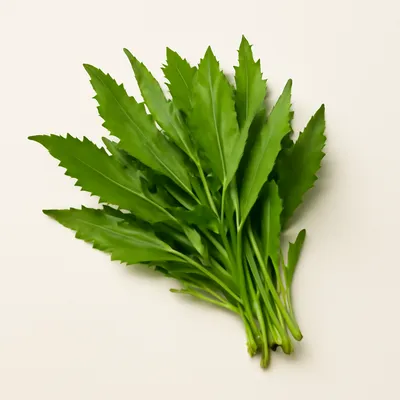
Add huitlacoche and epazote if using, season with salt, and simmer to meld.
- 88 min
Return the pork to the sauce, warm through, and ladle into clay cajetes with tortillas.
Archive tool suggestions — not reviewed
These legacy suggestions have not been evidence-reviewed and are not presented as required tools.