The undressed, foundational form of pozole: nixtamalized hominy and pork simmered for hours into a clear, savory broth with no chile paste worked into the pot. All the color and heat are added by each diner at the table — shredded cabbage or lettuce, sliced radish, raw onion, dried oregano, ground chile, tostadas, and a hard squeeze of lime. Where pozole rojo and verde lean on their sauces, the white version is judged on the broth and the bloom of the corn alone. It is the everyday weeknight pozole and the blank canvas from which the red and green styles are built.


Pozole is a pre-Columbian ritual dish of central Mexico, recorded by the Franciscan friar Bernardino de Sahagún in the sixteenth-century Florentine Codex; in Nahuatl the name derives from pozolli, "foamy," for the way the cal-treated kernels burst open as they cook. The white, unsauced form is generally taken to be the oldest and most basic — broth, hominy, and meat, with seasonings added by hand — predating the chile-paste reds and greens that later became regional signatures. Its specific origin as a named home dish is not documented to any one town or cook, and it is best understood as the common ancestral version of pozole rather than a separate invention.
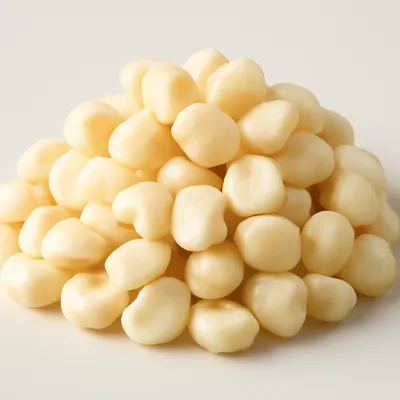
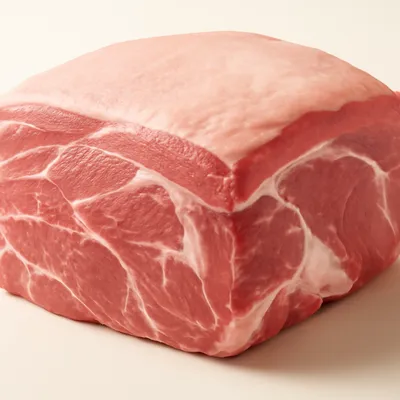
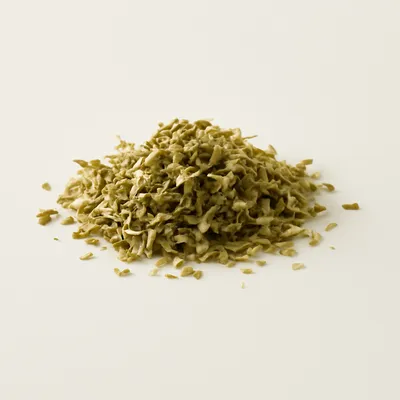
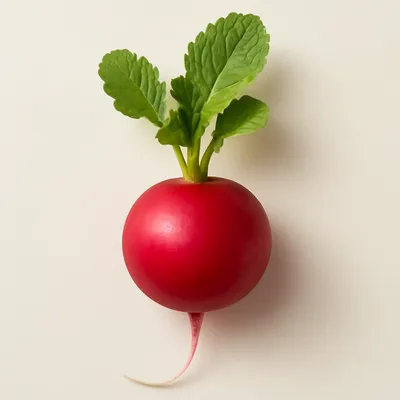
A wide, shallow bowl of pale gold broth, faintly cloudy from the pork and the corn starch, crowded with fingertip-sized hominy kernels and soft chunks of shoulder. On its own the broth is clean and meaty, almost plain — and that is the point, because the table does the rest. You build each spoonful: a pinch of oregano crushed between the fingers, a fistful of cabbage going limp in the heat, radish staying crisp, a flood of lime. The kernels should pop and give way between the teeth, never collapse into mush.
Everything rests on the hominy. Dried field corn is simmered in slaked lime (cal, calcium hydroxide), which dissolves the tough outer hull and releases bound niacin — without this nixtamalization the corn is starchy, indigestible, and will never bloom. The drained kernels then cook with the pork for three hours or more until they split open into petal shapes, thickening the broth slightly with shed starch and giving it body. Because no chile paste is added, the broth depends entirely on a long, gentle simmer of pork (often head and shoulder, with the bones) skimmed clean; the result is delicate, so the acid and salt of the table garnishes are not optional — they complete the dish.
Variations
Pozole rojo (Jalisco, with a guajillo-ancho chile paste worked into the pot) and pozole verde (Guerrero, with a tomatillo-and-pumpkin-seed sauce) are the colored versions built on this same base. The white style itself varies by garnish and by meat — pork is standard, but a clear chicken pozole is common, and along the Sinaloa coast a seafood version appears. Some cooks brighten the bare broth with a little garlic and chile in the pot while keeping it pale.
On the Palate
Where Pozole Blanco sits in the Mexican flavor cloud
Ingredients
Serves 8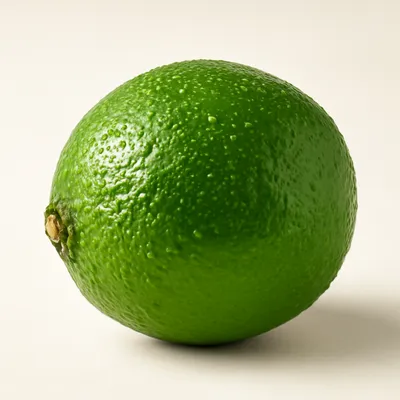

How it's made
7 steps · 40 min
- 115 min
Soak dried hominy overnight, or use precooked/canned hominy and skip ahead; if starting from dried nixtamalized corn, simmer until the kernels begin to soften.
- 215 min
Put pork shoulder (and a piece of pork head or trotter for body, if you have it) in a tall pot with onion, garlic, and salt; cover with water and bring to a gentle simmer.
- 330 min
Skim off the grey foam that rises in the first half hour until the broth runs clear.
Watch outKeep skimming until the grey foam stops rising and the broth runs clear — leftover scum turns the finished pozole cloudy and muddy-tasting.
- 4180 min
Add the hominy and simmer everything together, partly covered, for three hours or more, until the kernels burst open into petals and the pork is fork-tender; top up with hot water as needed and adjust salt.
Watch outWait for the kernels to actually burst open into petal shapes — that split is what thickens the broth and means the hominy is truly done, not just softened.
- 510 min
Lift out the meat, shred or chunk it, and return it to the pot; taste the broth and correct the seasoning.
- 610 min
Set out the table garnishes separately — shredded cabbage or lettuce, sliced radish, chopped onion, dried oregano, ground chile, lime wedges, and tostadas.
- 75 min
Ladle the hominy, pork, and broth into wide bowls and let each person dress and season their own to taste.
Archive tool suggestions — not reviewed
These legacy suggestions have not been evidence-reviewed and are not presented as required tools.