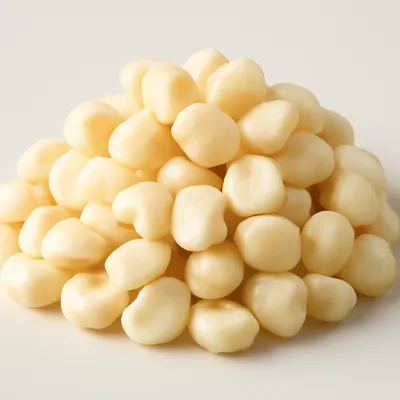
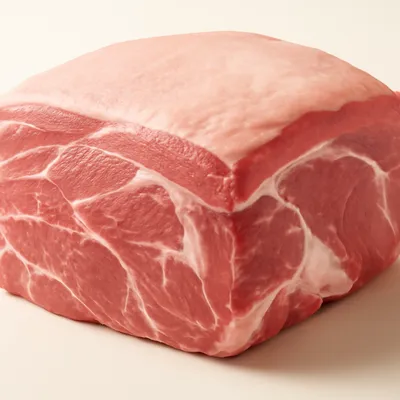
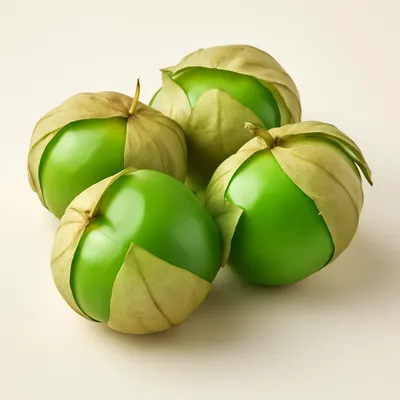
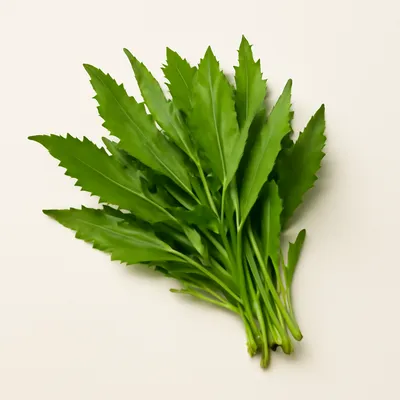
Guerrero's green pozole: a pork-and-hominy soup whose broth is thickened and colored a vivid green with a ground sauce of toasted pumpkin seeds, tomatillos, green chiles, epazote and cilantro. The cacahuazintle hominy is simmered until each kernel blooms open like a flower, then the pumpkin-seed salsa is stirred in to give a nutty, slightly grainy body unlike any other regional pozole. It is dressed at the table with chopped white onion, dried oregano, lime and a Guerrero-specific spread of garnishes — chicharrón, avocado, sardine and even a raw egg dropped into the hot bowl. In Guerrero it is so woven into daily life that Thursday is simply pozole day.


Pozole descends from a pre-Hispanic ritual stew of nixtamalized corn — the Nahuatl pozolli means 'foamy,' for the bloomed kernel — recorded among the Mexica before the conquest. Guerrero developed its own green branch, distinct from the guajillo-red pozole of Jalisco and the clear white pozole of the center: here the broth is built on a salsa verde of pepita, tomatillo and herbs, a thickening trick that echoes the older pipián sauces of the region. The state's most particular custom is jueves pozolero — Thursday pozole — a weekly ritual now copied across Mexico but owned by Guerrero, where pozolerías fill on Thursday evenings. Equally local are the garnishes: where other states stop at cabbage and radish, Guerrero loads the bowl with chicharrón, avocado, sardine and a raw egg poached by the heat of the broth.
A wide bowl of jade-green broth, opaque and faintly grainy from the ground pumpkin seeds, crowded with fingertip-sized hominy kernels bloomed into ragged flowers and chunks of tender pork. The first taste is the pepita's toasted, nutty richness, then the bright sour lift of tomatillo and lime, with epazote's resinous, almost petrol-green herbaceousness underneath. Shards of chicharrón soften at the edges in the heat; cubes of avocado turn silky; a swirled-in raw egg ribbons through and enriches the broth. The hominy should pop between the teeth, not collapse into mush.
Two techniques carry the dish. First, nixtamalization: dried cacahuazintle corn is simmered in slaked lime (cal), which dissolves the kernel's tough pericarp and frees the bound niacin; only then will the kernels, after three or more hours in the pot, butterfly open into the 'flower' that defines pozole. Second, the green is a ground emulsion, not a stain — raw pumpkin seeds are toasted dry until they pop and their oils surface, then milled with tomatillo, green chile and herbs into a salsa that is fried briefly in lard to bloom it before going into the broth. Because pepita is roughly half fat, it both colors and thickens, lending the soup a velvety, faintly sandy body. Epazote, added late, is the keynote herb; cooked too long it turns soapy, so it goes in near the end.
Variations
Within Guerrero the recipe shifts by town: some cooks add a handful of green tomato husks or a leaf of hoja santa, others lean harder on serrano for heat. Pozole blanco, the un-greened white version, is the same pork-and-hominy base left plain so the table garnishes carry it. Beyond the green and white, the rest of Mexico knows pozole rojo (Jalisco, guajillo and ancho) and seafood pozole on the Sinaloa coast; a meatless pozole de hongos swaps mushrooms for pork.
On the Palate
Where Pozole Verde Guerrerense sits in the Mexican flavor cloud
Ingredients
Serves 8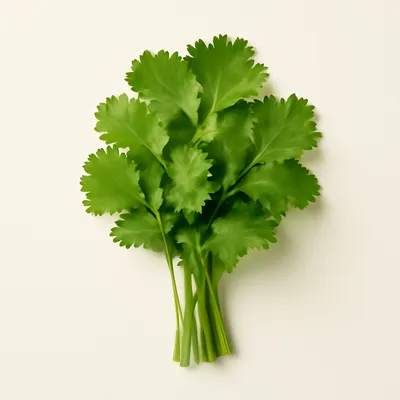



How it's made
8 steps · 1 hour 15 min active + 2 hours 15 min waiting
- 1120 min
Simmer dried cacahuazintle hominy with a little slaked lime until softened, then rinse; or use prepared hominy and simmer until the kernels burst open into flowers.
Watch outThe hominy is ready only when the kernels burst open into flowers.
- 290 min
Cook pork shoulder (and trotter for body) in salted water with onion and garlic until tender, skimming the foam; reserve the broth.
- 38 min
Toast raw pumpkin seeds in a dry pan until they pop and smell nutty, taking care not to burn them.
Watch outThe seeds should pop and smell nutty; pull them before they scorch.
- 410 min
Blend the toasted seeds with tomatillos, serrano, white onion, garlic, cilantro and epazote into a smooth green salsa.
- 512 min
Fry the green salsa in lard until it darkens and thickens, then loosen with the reserved pork broth.
- 630 min
Combine the bloomed hominy, the pork, and the green broth; simmer gently so the sauce marries without splitting.
Watch outSimmer gently after combining so the pepita sauce marries in without splitting.
- 710 min
Adjust salt and finish with fresh epazote near the end; serve in wide bowls.
- 85 min
Set out chopped onion, oregano, lime, chicharrón, avocado, sardine and raw egg for each diner to dress their own bowl.
Archive tool suggestions — not reviewed
These legacy suggestions have not been evidence-reviewed and are not presented as required tools.