A soft, chewy tamarind candy: tamarind pulp cooked down with sugar into a sticky, pliable paste, then shaped and rolled in a coating of chili powder, salt, and sugar. The result is the quintessential Mexican flavor trinity — sour from the fruit, sweet from the sugar, and hot-salty from the chili dust — all in one sticky bite. Sold loose, in tubs, or pressed into bars and lollipops at every corner store and market, it is a defining everyday Mexican sweet rather than a special-occasion one. Intensely puckering and addictive.
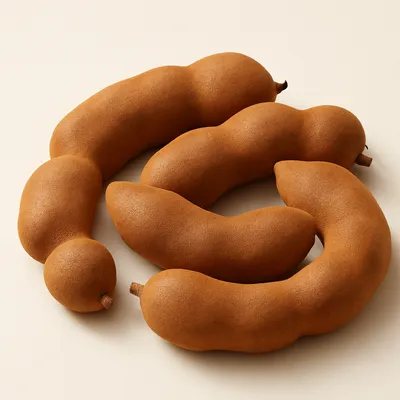



Tamarind is not native to Mexico — the tree originated in tropical Africa and reached the Americas via the Spanish and Portuguese, taking readily to Mexico's warm lowlands, where it became a beloved flavor for aguas frescas, candies, and snacks. Pairing sour fruit with chili and salt is, however, a deeply Mexican habit, rooted in the pre-Hispanic taste for chile-and-acid seasonings. The chili-rolled tamarind candy is a popular street and corner-store sweet sold under many commercial brands and made at home; it is a modern everyday confection with no single inventor or origin date, born of an imported fruit meeting an indigenous flavor logic.
Soft, sticky, and clinging — it pulls at the teeth like a fruit taffy and coats the tongue. The first hit is sharp sour from the tamarind, then sugar rounding it out, then the dusty chili coating delivering a slow salt-and-heat burn that builds across the back of the mouth. It makes the cheeks tingle and the mouth water. The texture ranges from a loose, spoonable paste to a firmer chewy bar depending on how far it was cooked. You eat it in small pinches; the sour-sweet-salty-spicy loop is what keeps the hand coming back.
The candy is built on tamarind's natural acidity. Tamarind pulp is high in tartaric acid (the same acid family found in grapes), which gives the puckering sourness and also, with the sugar, helps the cooked paste set into a chewy, taffy-like body rather than crystallizing — acid inverts some of the sucrose into glucose and fructose, which resist graining and keep the texture soft and pliable. Cooking concentrates the pulp by evaporating water until the sugar reaches a chewy stage; the longer the cook, the firmer the candy. The chili-salt-sugar coating does double duty: salt and sugar are perceptual contrasts that heighten the sour, while capsaicin in the chili adds the warming heat that defines the Mexican sweet-sour-spicy profile. Rolling the coating on at the end keeps it dry and dusty against the sticky paste.
Variations
Texture ranges from a loose pulpy paste eaten by the spoon to firm chewy bars and balls; lollipops and straws filled with tamarind paste are common. The coating can be mild or fiercely hot, and may use a chamoy or Tajín-style chili-salt blend. Some versions add a salty-sour edge with extra salt or lime; chamoy-soaked and dried-fruit versions push the sour-salty further. The same tamarind base also flavors agua de tamarindo and frozen paletas.
On the Palate
Where Dulce de Tamarindo sits in the Mexican flavor cloud
Ingredients
Serves 16How it's made
5 steps · 25 min active + 5 min waiting
- 18 min
Soak the tamarind pulp in warm water, then work it through a sieve to remove seeds and fibers.
- 22 min
Combine the strained tamarind pulp with sugar in a heavy pan.
- 314 min
Cook over medium heat, stirring constantly, until thickened to a sticky, pliable paste.
Watch outCook the pulp and sugar, stirring constantly, to a sticky pliable paste — the longer you cook the firmer it sets, and stirring stops it scorching on the bottom.
- 44 min
Let the paste cool slightly, then pinch off pieces and shape into balls or small bars.
- 52 min
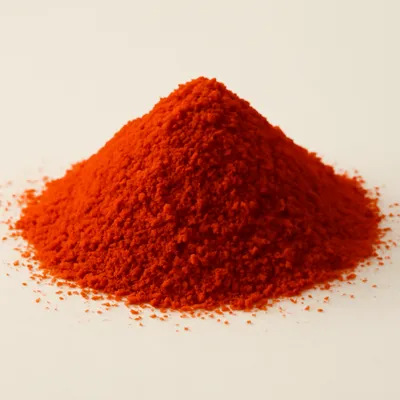
Roll each piece in a mix of chili powder, salt, and sugar until well coated.
Archive tool suggestions — not reviewed
These legacy suggestions have not been evidence-reviewed and are not presented as required tools.