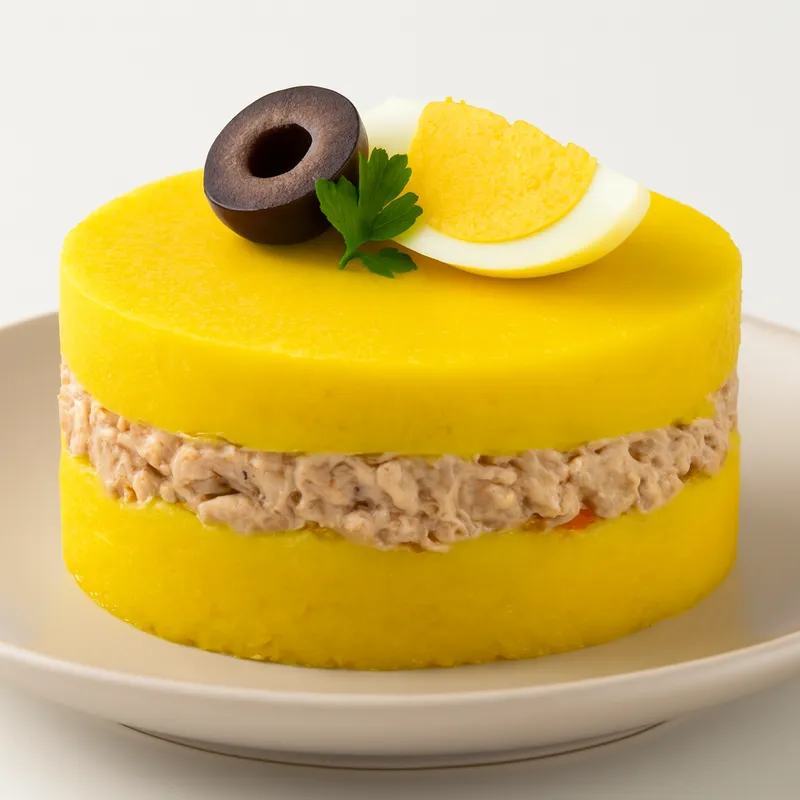
Machacado de Membrillo is a north-coast Peruvian quince paste — ripe quince cooked soft, mashed and simmered down with sugar and warm spices until it sets into a firm, sliceable slab. It is the quince sweet of Lambayeque, deep amber to rosy in color and lightly scented with cinnamon and clove, eaten in slabs on its own or paired with fresh cheese, bread or plain crackers. Denser and more rustic than a smooth jellied membrillo, its name — from machacar, to crush — points to the mashed fruit at its heart.


Machacado de Membrillo is treated as an emblematic sweet of the Lambayeque region on Peru's north coast, associated with the area around Ferreñafe and old towns such as Zaña. It descends from the Iberian tradition of quince paste — carne or dulce de membrillo — that Spanish settlers brought to Peru; that paste in turn reaches back to antiquity, when Greeks and Romans cooked quince and sweetened it with honey before the fruit spread through the Mediterranean and the Iberian Peninsula. It has no single documented inventor, surviving as a regional homemade specialty rather than a branded product. The north-coast name machacado reflects its making: the fruit is mashed rather than left in neat purée, and it is cooked down with sugar and spices into a firm block to keep, the same method that yields quince pastes across the Spanish-speaking world.
It cuts into firm, dense slabs that hold their shape, deep amber to reddish where the long cooking has darkened the fruit. The flavor is sweet but anchored by quince's own perfume — floral, faintly tart, more aromatic than apple or pear — lifted by a quiet warmth of cinnamon and clove. The texture is thick and slightly grainy from the mashed pulp, chewier and less wobbly than a clear fruit jelly. A slice against salty fresh cheese is the classic north-coast pairing, the sweetness and the cheese playing off each other.
The slab sets on the natural pectin in quince. Quince is unusually rich in pectin, and as the mashed fruit simmers with sugar and loses water, the pectin, fruit acid and high sugar concentration knit into a gel firm enough to slice — the same fruit-acid-sugar balance behind any quince paste, here taken to a dense, mashed set rather than a clear jelly. The long cooking also deepens color and flavor as the sugars caramelize lightly and the fruit's aromas concentrate. Mashing the pulp instead of sieving it leaves the slightly grainy, rustic body that distinguishes machacado, and the cinnamon and clove infuse as the mixture reduces.
Variations
The Lambayeque style mashes the quince and cooks it down with sugar and cinnamon and clove into a firm slab cut into pieces. Some makers sieve the pulp for a smoother body, or keep it coarse for a more rustic one; sweetness and spice vary by household, and a little lemon juice is sometimes added. Beyond the north coast, the same Iberian quince paste is known elsewhere as dulce or carne de membrillo and as ate in Mexico, and it is eaten the world over with cheese.
On the Palate
Where Machacado de Membrillo sits in the Peruvian flavor cloud
Ingredients
Serves 10How it's made
7 steps · 40 min active + 50 min waiting
- 112 min
Peel and core the quince and cut the flesh into pieces.
- 240 min
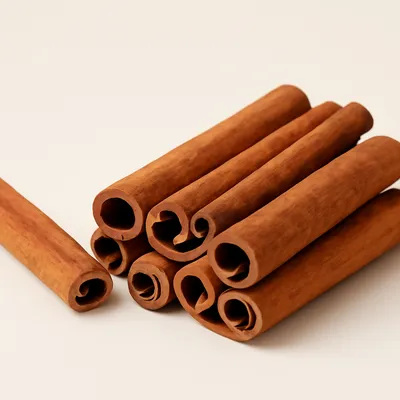
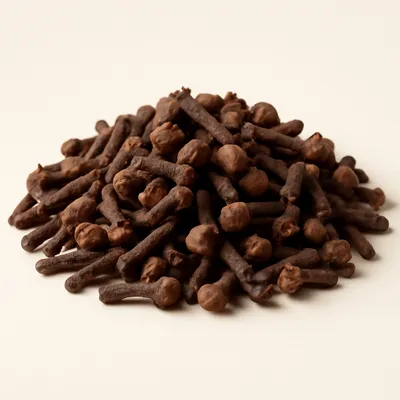
Simmer the quince in water with a cinnamon stick and a few cloves until very soft.
- 38 min
Drain the fruit and mash it to a thick, slightly coarse pulp.
- 45 min
Return the pulp to the pot, add sugar and a little lemon juice, and cook over low heat.
- 525 min
Stir constantly as it thickens, until the paste pulls away from the pan and deepens in color.
Watch outStir constantly until the paste pulls away from the pan and deepens in color — this reduction is what lets the quince pectin set to a sliceable slab.
- 63 min
Spread the hot paste into a lined tray and smooth the top.
- 750 min
Leave it to cool and firm up fully, then cut into slabs to serve.
Archive tool suggestions — not reviewed
These legacy suggestions have not been evidence-reviewed and are not presented as required tools.