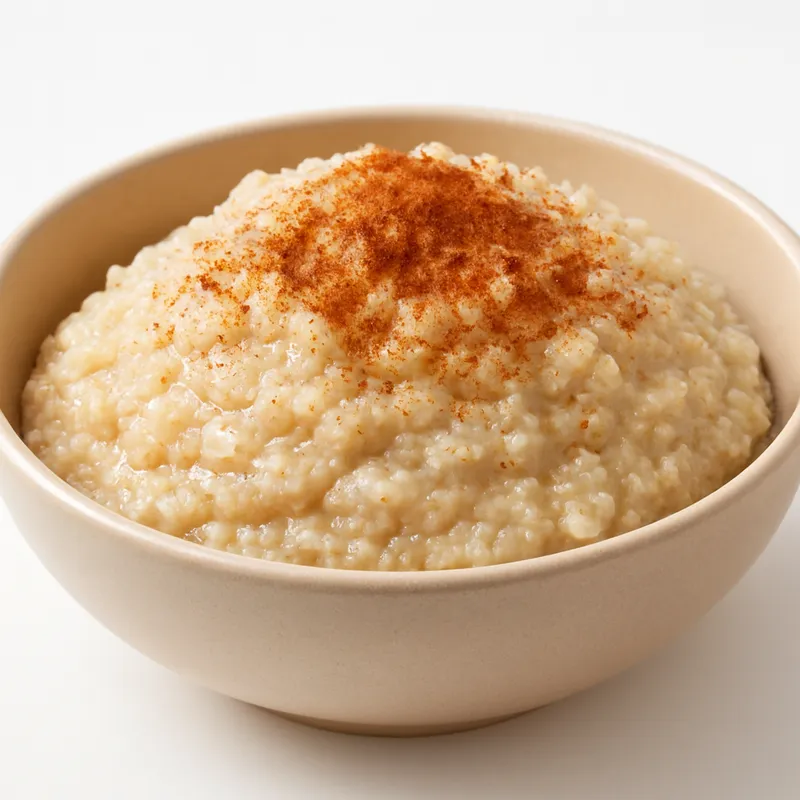
Champús is a thick, warm pudding-drink from Peru, somewhere between a dessert and a hot beverage, built on hominy and a corn-flour porridge sweetened with chancaca and perfumed with cinnamon and cloves. Into that base go chunks of fruit — typically quince, pineapple and sometimes apple — so each spoonful holds soft corn, syrupy fruit and fragrant spiced liquid. Cinnamon-brown and steaming, it is a comforting cold-weather sweet, traditional around the October religious processions and in the Andean south.


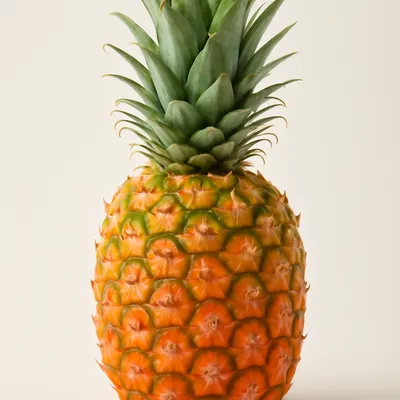
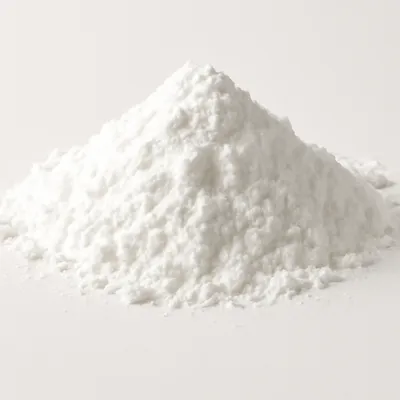
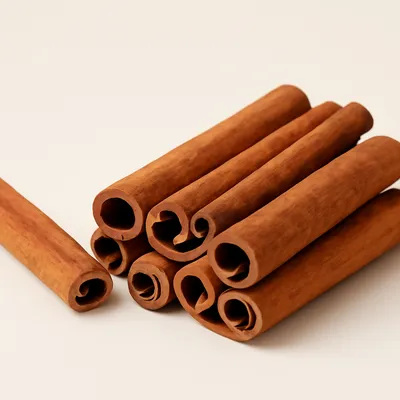
Champús is a colonial-era sweet with deep Andean roots, built on maize — the staple grain of the pre-Hispanic Andes — combined with Old World sugar and spices brought after the Spanish conquest. Versions of champús are found across the former Andean colonial world, from Peru to Colombia and Ecuador, each shaped by local fruit; the Peruvian form leans on quince and pineapple in a chancaca-sweetened mote and corn-flour base. In Peru it is strongly tied to the devotional calendar, prepared in the days around the October procession of the Señor de los Milagros and during Andean festivals, when warm street sweets are sold from large pots. Its exact origin is not documented, but it clearly fuses indigenous maize cookery with colonial sweetening.
Champús is thick enough to eat with a spoon yet loose enough to sip, warm and richly spiced. The corn base is mildly sweet and faintly nutty, the chancaca lends a dark molasses depth, and cinnamon and clove run warm through every mouthful. The hominy kernels are tender and chewy, while the quince and pineapple add soft, syrupy, gently tart bites that brighten the sweetness. Aromatic and soothing, it is the kind of sweet meant to warm you on a cool evening.
Two starches build the body: whole hominy, which stays plump and chewy after long simmering, and a corn-flour or starch slurry that gelatinizes when heated, thickening the liquid into a porridge that holds the fruit in suspension. Simmering the chancaca with cinnamon and clove dissolves the raw sugar and steeps its aromatics into the syrup, while the quince and pineapple soften and release pectin and acidity that balance the heavy sweetness. Gentle, constant heat is key — too high and the corn-flour base scorches or turns gluey.
Variations
The fruit varies by household and region: quince and pineapple are most classic, with apple, dried fruit, or guanábana appearing in some versions. Some cooks use purple corn for color and tie it to the mazamorra morada family, while others keep it pale gold. Sweetening can be chancaca or sugar, and the spice mix may add a few allspice berries. Across the Andes it shades into related dishes, but the Peruvian quince-and-pineapple version is the canonical one.
On the Palate
Where Champús sits in the Peruvian flavor cloud
Ingredients
Serves 8How it's made
7 steps · 50 min active + 1 hour 40 min waiting
- 185 min
Soak the hominy overnight, then boil in plenty of water until the kernels are tender and plump, about 1 to 1.5 hours; drain, reserving the kernels.
- 215 min
In a large pot, simmer water with chancaca, cinnamon sticks and cloves until the sugar fully dissolves and the syrup is fragrant.
- 315 min
Peel and dice the quince and pineapple and add to the syrup, simmering until the fruit softens.
- 45 min
Whisk the corn flour with a little cold water into a smooth slurry, then stir it gradually into the simmering pot.
Watch outWhisk the corn flour into a smooth slurry with cold water before adding it — tip it in dry and it seizes into lumps; then cook gently or the base scorches gluey.
- 512 min
Cook over low heat, stirring constantly, until the base thickens to a loose porridge that coats the spoon.
Watch outCook stirring constantly until the base thickens enough to coat the spoon — too high or unstirred and it scorches on the bottom.
- 68 min
Stir in the cooked hominy and simmer a few more minutes so the flavors meld; adjust sweetness.
- 75 min
Remove the whole spices and serve hot in cups or bowls, with a little extra ground cinnamon on top.
Archive tool suggestions — not reviewed
These legacy suggestions have not been evidence-reviewed and are not presented as required tools.