Frejol colado is a smooth, dark sweet purée of black beans cooked down with sugar, spices and milk, traditional to the north coast of Peru. The beans are boiled soft, blended and strained until silky, then slow-cooked with chancaca or sugar, cinnamon and cloves into a thick, glossy paste close to a pudding. It is served in cups, dusted with toasted sesame seeds, and counted among the most distinctive of Peru's Afro-Peruvian sweets.
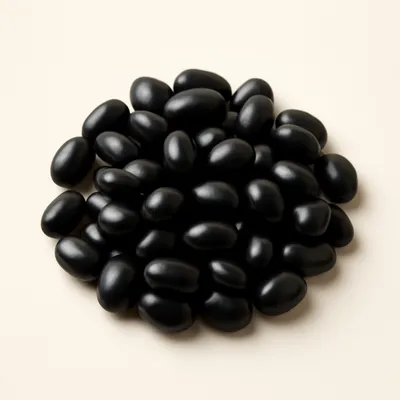


Frejol colado is a sweet of Peru's northern coast, especially associated with the Lima-to-Lambayeque belt and its strong Afro-Peruvian culinary heritage. It belongs to the colonial tradition of turning humble staples into convent- and household-made dulces, here transforming the everyday black bean into a dessert through long cooking with sugar, milk and warm spices. Sweetening with chancaca (unrefined cane sugar) and finishing with sesame reflect the same Afro-Peruvian and colonial pantry that shaped sweets like turrón and picarones. It is especially eaten in the months around the October religious processions, when north-coast sweets are made in quantity, though no single origin date is documented.
Frejol colado is dense, smooth and glossy, somewhere between a thick pudding and a paste. The first taste is deep, dark sweetness — molasses-like from the chancaca — followed by the warm spice of cinnamon and clove and a faint, earthy note that quietly betrays its bean origin. The toasted sesame on top adds nuttiness and a little crunch against the velvety body. It is rich and filling; a small cup is plenty, and it is best eaten cool.
Long boiling first softens the beans and gelatinizes their starch; blending and straining then removes the skins and any grit, leaving only the smooth interior pulp that gives the dessert its velvet body. Cooking the strained purée with sugar drives off water and concentrates it, while the sugars and chancaca caramelize slightly and the milk proteins brown, deepening color and flavor through the Maillard reaction. Constant stirring over low heat prevents scorching as the paste thickens, and it sets further as it cools, much like a sweet bean paste.
Variations
Sweetened with chancaca for the most traditional, molasses-deep flavor, or with plain sugar for a lighter version; some cooks enrich it with evaporated milk for creaminess. Spicing varies between cinnamon and clove, and a splash of port or a few drops of orange can be added. It is most often topped with toasted sesame, and is sometimes used as a filling for other pastries on the north coast.
On the Palate
Where Frejol Colado sits in the Peruvian flavor cloud
Ingredients
Serves 8
How it's made
7 steps · 1 hour active + 1 hour waiting
- 180 min
Soak black beans overnight, then drain and boil in fresh water until very soft, about 1 to 1.5 hours.
- 210 min
Drain the cooked beans, reserving a little liquid, and blend to a smooth purée with some of the cooking water and the milk.
- 310 min
Pass the purée through a fine sieve to remove all skins, leaving a silky paste.
Watch outPush the purée through a fine sieve to catch every skin — leave the skins in and the dessert loses its velvet smoothness.
- 45 min
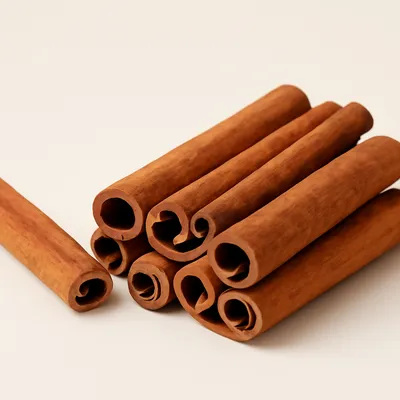
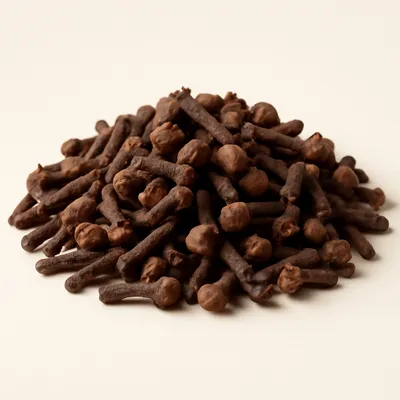
Combine the strained purée in a heavy pot with chancaca or sugar, cinnamon and cloves.
- 535 min
Cook over low heat, stirring constantly, until the mixture thickens, darkens and pulls cleanly from the bottom of the pot, 30 to 40 minutes.
Watch outStir constantly over low heat until the paste pulls cleanly from the bottom — that's your set point; stop early and it stays loose.
- 65 min
Discard the whole spices, then spoon the hot paste into cups or a serving dish and smooth the tops.
- 710 min
Cool to room temperature, chill if desired, and finish with a generous dusting of toasted sesame seeds before serving.
Archive tool suggestions — not reviewed
These legacy suggestions have not been evidence-reviewed and are not presented as required tools.



