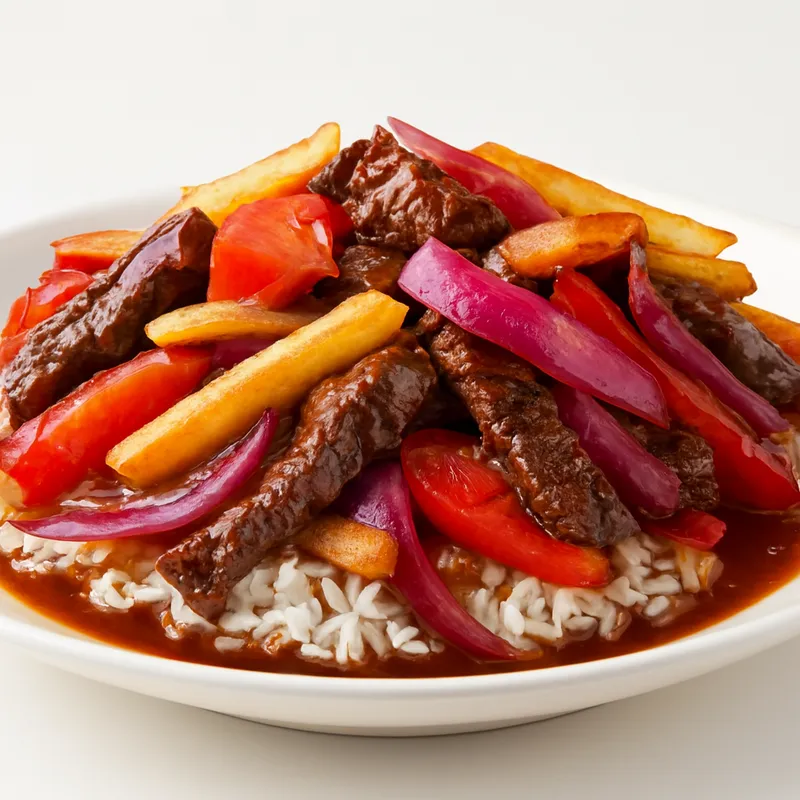
Tejas are the signature bonbon-like candies of Ica, on Peru's southern coast: a whole pecan or a piece of candied fruit is enrobed in a thick layer of manjar blanco (Peruvian milk caramel), shaped into a small dome, and finished with a hard sugar-fondant shell so smooth it gleams. Each one is the size of a walnut, snowy white on the outside and richly caramel within. They are sold in tidy boxes as the classic edible souvenir of the Ica region, alongside its pisco and wine. The name is said to come from their resemblance to little roof tiles (tejas).



Tejas are a colonial-era sweet rooted in the Ica region, a wine- and pisco-growing valley settled by the Spanish in the 16th century. They belong to the Peruvian family of manjar blanco confections, the milk caramel itself being a Spanish-colonial inheritance born once dairy cattle and sugarcane reached the New World. Folk tradition links the candies to Ica's haciendas and the Afro-Peruvian and convent kitchens that refined Peru's sweets, though no single inventor is documented. The hard fondant shell that defines a true teja and the use of local pecans and candied lime or fig reflect Ica's orchards. Today the candy is closely associated with established Ica confectioners, and tejas remain the region's best-known sweet export within Peru.
Bite through the brittle white fondant shell and it cracks with a clean snap, giving way to a soft, intensely sweet collar of manjar blanco that clings to the tongue like the richest dulce de leche. At the very center comes the surprise: a buttery pecan, or a bright, faintly tart sliver of candied lime or fig that cuts the sweetness. The contrast of crisp shell, creamy caramel and tender nut or fruit is the whole pleasure. These are unabashedly sweet, eaten one or two at a time with coffee.
The manjar blanco is the heart: sweetened milk and sugar are simmered until the sugars caramelize and the milk proteins brown (Maillard reaction), thickening into a pliable caramel that can be shaped by hand once cool. The glossy white shell is a cooked fondant — sugar syrup boiled to the soft-ball stage, then agitated as it cools so it crystallizes into countless tiny crystals, which is what gives fondant its opaque sheen and clean snap rather than a grainy or sticky texture. Sealing the caramel inside the shell keeps the candy from weeping and gives it shelf life.
Variations
The classic filling is a pecan, but candied lime peel, fig, and quince are equally traditional; pisco-soaked fruits appear in some versions. The chocolate-coated relative, chocoteja, swaps the white fondant for a chocolate shell. Fillings now stretch to peanut, walnut, and even local dates, and boutique makers in Ica and Lima offer assorted boxes mixing fruit and nut centers.
On the Palate
Where Tejas sits in the Peruvian flavor cloud
Ingredients
Serves 12How it's made
7 steps · 1 hour active + 30 min waiting
- 140 min
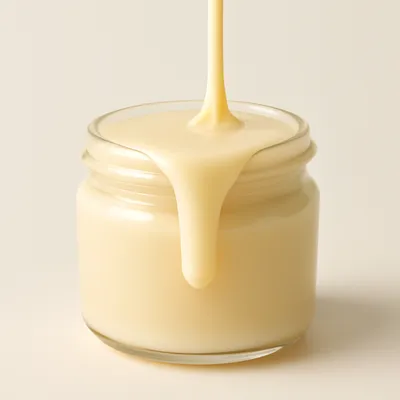
Make the manjar blanco: simmer sweetened condensed milk (or fresh milk with sugar) over low heat, stirring constantly, until it thickens to a firm, pliable caramel that holds its shape; cool completely.
Watch outSimmer the manjar blanco, stirring constantly, until it thickens to a firm, moldable caramel that holds its shape — stop too soon and it's too soft to shape; the stirring stops it scorching on the bottom.
- 28 min
Prepare the centers: shell whole pecans, or cut candied lime peel, fig, or quince into bite-size pieces; pat dry.
- 315 min
Take a small portion of cooled manjar blanco, flatten it in your palm, set a pecan or fruit piece in the middle, and mold the caramel fully around it into a smooth dome about the size of a walnut. Chill the formed centers until firm.
- 412 min
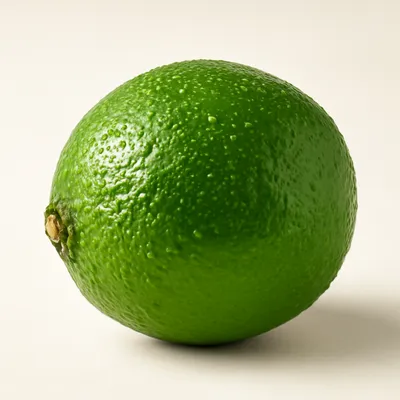
Make the fondant shell: boil sugar with a little water and a few drops of lime juice to the soft-ball stage (about 115C), then pour onto a cool surface and work it with a spatula until it turns white, opaque, and creamy.
Watch outBoil the fondant syrup to the soft-ball stage, then work it on a cool surface until it turns white, opaque, and creamy — that agitation forms the fine crystals that give the shell its clean sheen and snap.
- 55 min
Gently reheat the fondant over a water bath until just pourable, keeping it warm and fluid.
- 68 min
Dip or spoon the fondant over each chilled caramel dome to coat it completely in a thin, even white shell; set on parchment.
- 715 min
Let the shells set hard at room temperature, then trim any drips and pack the tejas into paper cases or a box.
Archive tool suggestions — not reviewed
These legacy suggestions have not been evidence-reviewed and are not presented as required tools.