Ranfañote is a colonial-era Lima pudding built on cubes of day-old bread soaked in a dark chancaca syrup spiced with cinnamon and clove, then bound with nuts, dried fruit and crumbled fresh cheese. Sticky, dark and rustic, it turns leftover bread into a deeply caramelized sweet, the cheese lending a faint salty-savory counterpoint to the molasses sweetness. It belongs to the old criollo dessert repertoire of the capital and is served warm in a small dish.

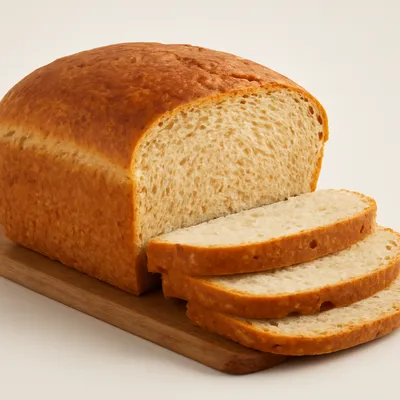

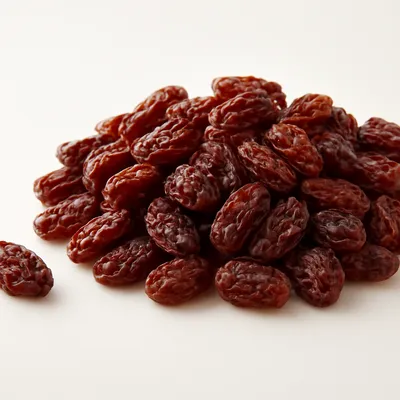
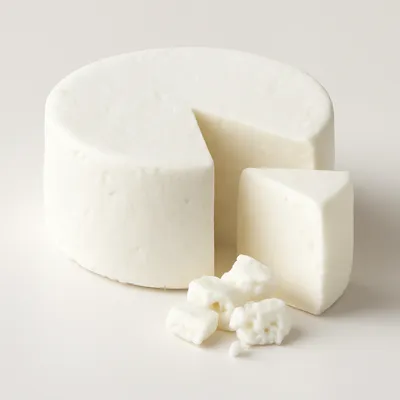
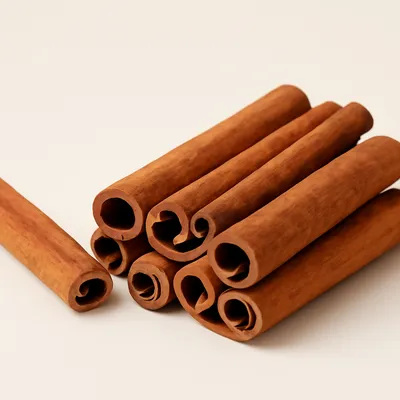
Ranfañote is one of the old Lima criollo sweets, with roots in the colonial kitchen's habit of turning stale bread into dessert — a thrifty tradition shared with bread puddings across the Spanish world. Its defining sweetener is chancaca, the dark unrefined cane sugar of Peru's colonial sugar estates, melted into a spiced syrup. There is no single documented inventor or date; it survives as a heritage dessert of the capital, less common now than picarones or suspiro but still made at home and in traditional kitchens. The combination of bread, molasses-dark syrup, nuts, dried fruit and fresh cheese is characteristic of the criollo sweets that drew on both Spanish technique and local ingredients.
Served warm in a little dish, it looks dark and glossy, the bread cubes lacquered in chancaca syrup and studded with nuts, raisins and white flecks of cheese. The texture is soft and clinging — the bread has soaked up the syrup and turned almost pudding-like, holding its cubes but yielding at the touch of a spoon. The flavor is dominated by the deep molasses warmth of chancaca, threaded with cinnamon and clove; the nuts add crunch, the dried fruit bursts of sweetness, and the cheese a surprising savory-salty note that keeps the whole thing from cloying. Rich, sticky and old-fashioned.
The dessert works by soaking and reduction. Chancaca is melted with water and whole spices into a thick dark syrup, its unrefined molasses content giving both the deep color and the faint bitter-toasty edge that white sugar cannot. Cubes of slightly stale bread are the ideal base — drier than fresh bread, they drink in the syrup without immediately falling apart, softening into a cohesive pudding as the mixture is warmed together. Nuts and dried fruit are folded in to add texture and bursts of sweetness, while crumbled fresh cheese, stirred through at the end, melts only partway and contributes a salty-savory contrast and a little richness against the sugar.
Variations
The traditional ranfañote soaks bread in spiced chancaca syrup with nuts, raisins and fresh cheese; walnuts and pecans are typical, and some versions add coconut or candied fruit. The amount of cheese varies — some cooks use it generously for a savory edge, others only a little. A splash of port or pisco sometimes goes into the syrup. It sits among Lima's chancaca-based heritage sweets alongside frejol colado and the darker rice puddings, all sharing the same deep raw-sugar backbone.
On the Palate
Where Ranfañote sits in the Peruvian flavor cloud
Ingredients
Serves 6
How it's made
6 steps · 30 min active + 20 min waiting
- 112 min
Melt the chancaca with water, cinnamon and cloves into a thick, dark spiced syrup.
Watch outMelt the chancaca with the whole spices into a thick dark syrup — its unrefined molasses gives the deep color and the faint bitter-toasty edge sugar can't.
- 28 min
Cut day-old bread into cubes and toast them lightly to firm them up.
- 310 min
Add the bread cubes to the warm syrup and let them soak and soften.
Watch outUse day-old bread and let the cubes soak just until softened but still cohesive — fresh bread drinks the syrup and immediately falls to mush.
- 45 min
Fold in chopped nuts and raisins so they distribute evenly.
- 53 min
Stir in the crumbled fresh cheese off the heat so it only partly melts.
- 62 min
Spoon into small dishes and serve warm.
Archive tool suggestions — not reviewed
These legacy suggestions have not been evidence-reviewed and are not presented as required tools.

