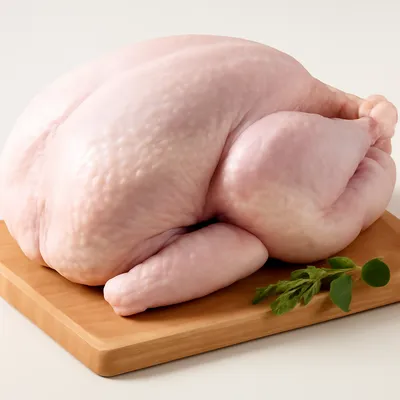
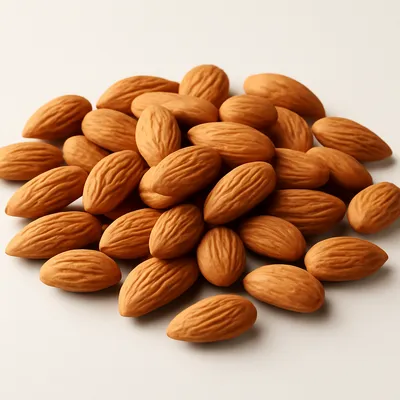
The festival mole of Chilapa de Álvarez, a market town in Guerrero's La Montaña region, ladled over poached turkey or chicken at weddings, baptisms, and patron-saint feasts. It is built on a trio of dried chiles — ancho, mulato, and pasilla — toasted and ground with fried plantain and apple, almonds and peanuts, sesame, raisins, bread, warm spices, and a little Mexican chocolate. The result is a thick, near-mahogany sauce, more fruit-and-nut sweet and less bitter than Puebla's, finished with sesame and eaten with stacks of corn tortillas. In the indigenous Nahua and Mixtec communities around Chilapa it is the dish that signals a fiesta, cooked in cazuelas large enough to feed a whole village.


Chilapa de Álvarez sits in La Montaña, the indigenous Nahua and Mixtec highlands of central Guerrero, and its Sunday tianguis is one of the oldest continuous markets in the region — the source of the dried chiles, seeds, and spices the mole depends on. Like all Mexican moles it is a colonial-era mestizo dish: pre-Hispanic chiles, turkey, and the grinding of seeds on the metate met Old World almonds, sesame, cinnamon, bread, and the New World chocolate the Spanish helped spread, fused into a festival sauce over generations of convent and household cooking. No founding date or single author is recorded; it is a community fiesta dish carried by the cooks of Chilapa and its surrounding pueblos rather than an invention attributable to one person. What marks the Chilapa style against Puebla's mole poblano is its leaning toward fruit and nut sweetness over chocolate bitterness, and its identity as the festival mole of the Montaña rather than of a city convent.
A thick, glossy, dark-mahogany sauce blanketing pieces of poached turkey or chicken, dusted with toasted sesame. The first taste is the deep, raisiny earthiness of the three dried chiles; then the fried plantain and dried fruit push a rounded sweetness forward; nuts and sesame add a toasty oiliness; cinnamon and clove trail off warm at the back, with the chocolate felt more as bitter depth than as candy. It clings to the meat rather than pooling thin. You eat it the regional way — tear a warm corn tortilla, fold it around a chile-stained piece of bird, and mop the cazuela.
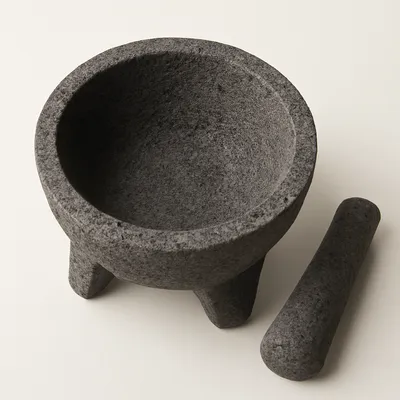
A mole this layered works because every component is cooked apart before it joins the pot. The chiles are stemmed, seeded, and toasted on a dry comal just to the edge of smoking — burnt chile turns the whole sauce acrid — then soaked soft. Plantain, apple, bread, almonds, peanuts, sesame, and raisins are each fried or toasted in turn, which builds Maillard depth and renders the fat that later lets the purée emulsify into one smooth body rather than separating. Everything is ground — traditionally on the metate, now often blended — and the paste is fried hard in hot lard, the key step that concentrates and marries the flavors before stock is whisked in. Then it only simmers, low and long, while the cook adjusts: a little more chocolate for bitterness, piloncillo for sweetness, salt to pull it together. The chocolate is barely sweetened, so it deepens and rounds the sauce instead of turning it into dessert.
Variations
Across Guerrero's La Montaña the proportions shift household to household — some cooks lean more plantain and fruit for a sweeter, darker mole, others push the pasilla for more heat and edge. It is most often built on turkey (the festival bird) but chicken is the everyday substitute. The Chilapa style sits within a wide Guerrero mole family that also includes a redder mole rojo and, in the same Montaña fiestas, the green pozole the state is famous for; against Puebla's mole poblano it reads fruitier and less chocolate-forward, and against Oaxaca's near-black mole negro it is lighter in color and far less bitter.
On the Palate
Where Mole de Chilapa sits in the Mexican flavor cloud
Ingredients
Serves 10

How it's made
8 steps · 2 hours 30 min active + 30 min waiting
- 140 min
Poach turkey or chicken pieces in salted water with onion and garlic; reserve the meat and strain the broth to use in the sauce.
- 220 min
Stem and seed the ancho, mulato, and pasilla chiles, then toast them on a dry comal until fragrant and pliable, taking care not to scorch them; soak in hot water until soft.
Watch outToast the chiles just to fragrant and pliable, never scorched — a single burnt chile turns the whole mole acrid, so pull them the instant they smell toasty.
- 315 min
Fry slices of ripe plantain and apple in lard until caramelized, then toast the almonds, peanuts, sesame, raisins, and a piece of bread in the same fat.
- 420 min
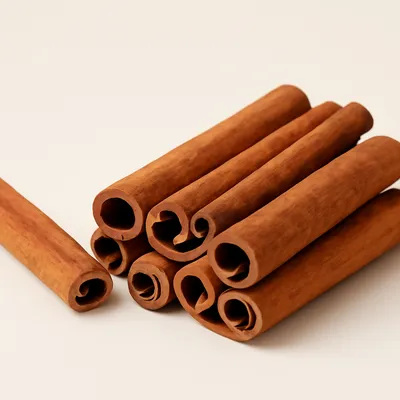
Grind the soaked chiles with the fried fruit, nuts, seeds, bread, and warm spices (cinnamon, clove, peppercorn) into a thick paste, loosening with a little broth.
- 518 min
Fry the paste hard in hot lard in a large cazuela, stirring constantly until darkened and very fragrant, about 15–20 minutes.
Watch outFry the ground paste hard in hot lard, stirring constantly, until darkened and deeply fragrant — this frying concentrates and marries the flavors and lets the purée emulsify smooth; skip it and the sauce stays raw and split.
- 612 min
Whisk in the reserved broth a ladle at a time to reach a thick, coating consistency, then melt in the Mexican chocolate.
- 745 min
Simmer low for at least 45 minutes, adjusting with piloncillo, salt, and more chocolate until the flavors marry into a single smooth sauce.
Watch outSimmer low at least 45 minutes until it becomes one smooth sauce — the long gentle cook is where a dozen separate components marry into a single body; rush it and it tastes disjointed.
- 810 min
Add the poached meat to warm through, then serve blanketed in mole and dusted with toasted sesame, with corn tortillas alongside.
Archive tool suggestions — not reviewed
These legacy suggestions have not been evidence-reviewed and are not presented as required tools.