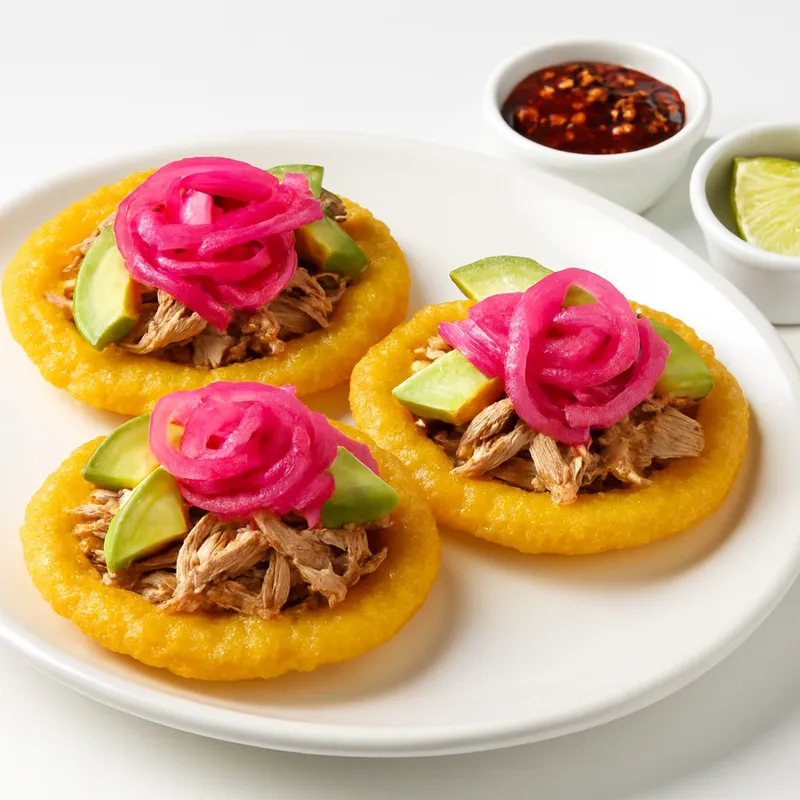
Chiapas Zoque tamales of nixtamal masa filled with a paste of black beans, ground dried shrimp, and ground squash seed (pepita), wrapped first in hoja santa and then in corn husk, and steamed.
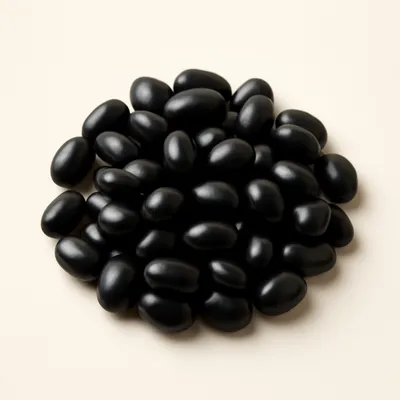

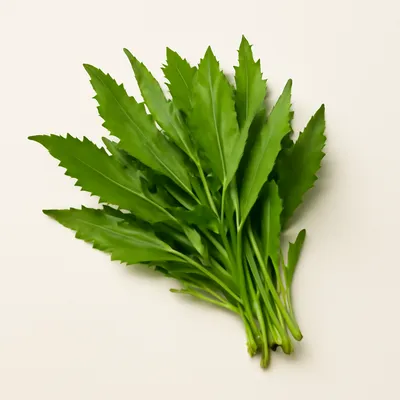



Chipilín (Crotalaria longirostrata) is endemic to southern Mexico and Guatemala; tamales bound with it are the everyday wrapper of central Chiapas, especially Tuxtla Gutiérrez and the Grijalva valley. Juacané is a Zoque dish of central Chiapas (Cintalapa, Jiquipilas, Tuxtla Gutiérrez), its bean-and-dried-shrimp paste bound with ground squash seed; it is a customary Day of the Dead altar offering and a Lenten (meatless) tamal. Pre-Hispanic in form (masa + leaf wrap), Spanish-era in seasoning (lard, salt).
Chipilín (Crotalaria longirostrata) is endemic to southern Mexico and Guatemala — Tuxtla Gutiérrez street stalls wrap it with black bean and Tonalá dried shrimp into a Tzotzil-influenced tamale. The leaf releases water in the steam, so the masa runs drier than a plain version.
Open the corn husk and the hoja santa inside hits first — anise-scented and herbal. The masa is the colour of jade from chipilín, dotted black with bean and pink-orange with shrimp. Each bite layers savoury masa, smoky shrimp, earthy bean. Eaten by hand, leaf as plate. Standard street stall fare in Tuxtla Gutiérrez.
Juacané is wrapped in hoja santa, whose anise-like aromatics perfume the masa during steaming, with an outer corn husk to hold its shape and moisture; the dried shrimp heads are toasted then ground to release their savor, and the ground squash seed both adds nuttiness and lends fat that enriches the bean paste. Lard worked into the masa gives the body.
Variations
The standard juacané is the black-bean, dried-shrimp, and squash-seed filling; some home kitchens add pork for a heartier version; the amount of shrimp and the coarseness of the pepita vary by household.
On the Palate
Where Tamales Juacane sits in the Mexican flavor cloud
Beat the lard until a pea of masa floats in cold water — that whipped, aerated fat is what makes the tamale light instead of dense; if the test dough sinks, keep beating.
Ingredients
Serves 6


How it's made
6 steps · 1 hour 30 min active + 1 hour 30 min waiting
- 195 min
Soak 300g dried black beans overnight. Drain, simmer in fresh water with 1/2 onion and 2 epazote sprigs about 90 minutes until soft. Drain (reserve 200ml liquid), mash coarsely with a wooden spoon — keep some bean texture.
- 212 min
Strip leaves from 200g chipilín stems (or substitute hoja santa + spinach 1:2). Wash and chop coarsely. Toast 60g small dried shrimp on a dry comal 2 minutes until fragrant, then chop.
Watch outIf the dried shrimp aren't toasted first they taste raw and ammoniac — 2 minutes on the comal cures that.
- 312 min
Beat 250g lard with 1 tsp salt and 1 tsp baking powder until fluffy and pale, about 5 minutes. Gradually work in 800g fresh nixtamal masa (or 600g masa harina hydrated with 700ml warm water). Test for floating: a pea of dough should float in cold water — if it sinks, beat more.
Watch outThe float test is the gate — a pea of dough must bob up in cold water, or the fat isn't whipped enough.
- 48 min
Fold the chipilín, mashed black beans, and chopped shrimp through the masa with the reserved 200ml bean liquid for fluidity. Season — taste the raw masa, it should be assertively salted because steaming dulls it.
- 525 min
Pass 20 banana-leaf squares (about 25cm) over an open flame 2 seconds per side until they go from matte to glossy and pliable. Place 100g masa mix on each, fold long sides over, then short sides under to make a sealed packet.
Watch outThe leaf goes from matte to glossy and bends without cracking once it's been over the flame.
- 6105 min
Stand the packets seam-down in a tamalera or large pot fitted with a steamer rack and a coin in the water (the coin rattles dry — your warning to top up). Steam over medium heat 75-90 minutes until the masa pulls cleanly from the leaf. Rest 15 minutes before unwrapping.
Watch outIt's done when the masa pulls cleanly away from the leaf; drop a coin in the water so it rattles when the pot runs dry.
Archive tool suggestions — not reviewed
These legacy suggestions have not been evidence-reviewed and are not presented as required tools.