
Soft tacos of steamed beef head — the cook works through a whole cooked cabeza, offering cuts by name: cachete (cheek), ojo (eye), labio (lip), lengua (tongue) and sesos (brain). The meat is steamed until gelatinous and tender, chopped to order, and folded warm into small corn tortillas with onion, cilantro, salsa and lime. Sold from a steaming vat that stands beside the suadero choppa, tacos de cabeza are a deep-rooted part of Mexico City's morning and street taco culture, each cut prized for its own texture.
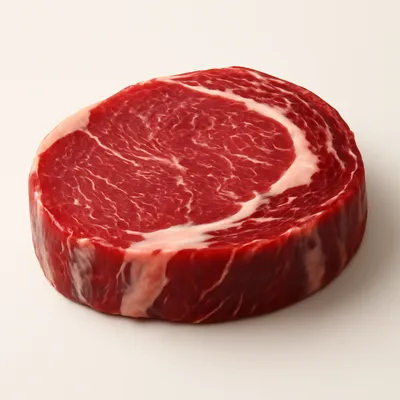


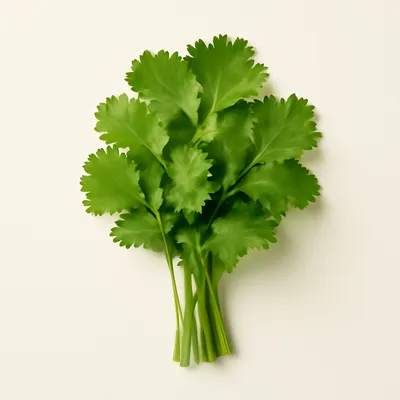

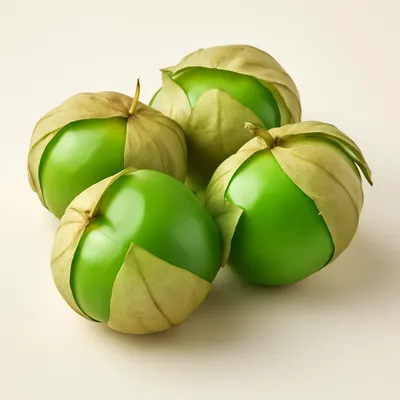
Tacos de cabeza grow from the same nose-to-tail thrift as lengua and suadero — the whole steamed head was an economical way to feed a crowd, and the cuts of a cow's head each became a named taquería offering. As a category it is firmly a Mexico City and central Mexican street institution, with no single recorded inventor; it took shape within the working-class street and market food of the capital over the 20th century. In the north the related barbacoa de cabeza cooks a whole head in a pit, while the city version is steamed in a vat or pot. The honest framing is a long-standing street staple of whole-head cookery, valued for the variety of textures one animal yields.
A spectrum in one taco. Cachete (cheek) is the richest — soft, gelatinous, almost like braised oxtail; ojo (eye) is silky and yielding; labio (lip) and other connective cuts are bouncy with rendered collagen; sesos (brain) is creamy and delicate. All share a clean, beefy savor without strong gaminess, the steaming having coaxed the cuts to spoon-tenderness. On the tortilla they take only onion, cilantro, salsa and lime — the textures are the show, and the lime keeps the richer cuts from cloying.
A cow's head is almost entirely connective tissue, skin and hard-working facial muscle, so slow moist heat is essential: hours of steaming hydrolyse the dense collagen into gelatin, which is exactly what gives cheek and lip their soft, sticky, melting quality — the gelatin is the texture. Steaming rather than boiling keeps the delicate cuts from washing out and lets each part cook in the humid heat without drying. Chopping to order means the meat hits the tortilla hot and freshly cut, its surface just set. Cook a head too fast and the collagen never converts, leaving the cuts rubbery and tough.
Variations
The variety is the dish: order by cut — cachete, ojo, labio, lengua, sesos — or ask for surtida to mix them. Some prefer cabeza griddled briefly for a firmer edge; most keep it soft and steamed. Tacos de cabeza often share a stand and a menu with suadero, longaniza and tripe, so a campechano of cheek with chorizo is common. Salsa choice is where stands compete; the dressing otherwise stays minimal.
On the Palate
Where Tacos de Cabeza sits in the Mexican flavor cloud
Ingredients
Serves 4
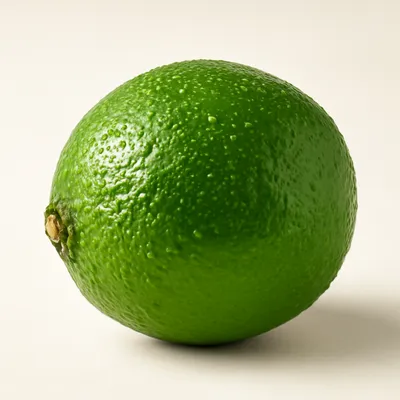
How it's made
8 steps · 4 hours
- 120 min
Clean the beef head cuts — cheek, lip, tongue and others — and season with salt.
- 215 min
Arrange the cuts in a steamer set over water with onion, garlic and bay leaf in the base.
- 3180 min
Steam covered, low and long, for several hours until the collagen-rich cuts are spoon-tender.
Watch outSteam low and slow for hours until a cut yields to a spoon and the surface looks glossy-sticky — that shine is the collagen turned to gelatin; rush it and the cheek stays rubbery.
- 415 min
Lift out each cut as it finishes; peel the tongue and trim as needed.
- 55 min
Keep the cooked cuts warm and chop them to order, by name, on the cutting board.
Watch outChop the meat only as each order comes up, while it's still steaming — cut cold and it dries and loses its silky bite.
- 63 min
Warm corn tortillas on a comal.
- 73 min
Pile the chosen chopped cut onto the tortillas.
- 85 min
Top with white onion, cilantro, salsa and a squeeze of lime.
Archive tool suggestions — not reviewed
These legacy suggestions have not been evidence-reviewed and are not presented as required tools.


