
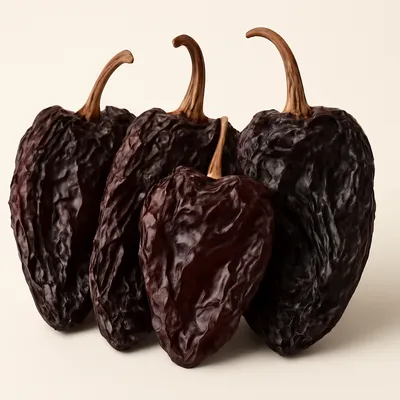
Cecina enchilada is Oaxaca's chile-cured pork, the spicier red sister of tasajo. The technique reads as old Spanish (cecina is a Castilian word for cured meat that goes back to Roman Iberia), but the chile paste is purely Mesoamerican — guajillo and ancho are dried versions of native Capsicum annuum varieties. The marriage was complete by the 1700s, when Oaxacan markets sold both tasajo (beef, salt-cured) and cecina enchilada (pork, chile-cured) hung side by side on the same hooks, as Mercado de Abastos still does.
Oaxaca's chile-cured pork — cecina is a Castilian word that goes back to Roman Iberia, but the guajillo-ancho paste is purely Mesoamerican. Three vectors carry the flavour: the spiral cut for uniform thickness, vinegar in the chile paste to denature surface protein, and a 1-hour air-dry to set the crust.
Brick-red on the outside, pink-blush in the middle, with a chile crust that has bonded to the meat instead of sitting on top. The first taste is guajillo's dried-fruit sweetness, then ancho's deep raisin, then garlic and vinegar's acid, then pork. Compared to tasajo (its un-chilied beef cousin) cecina is louder and more complex; the chile paste is doing what salt does for tasajo — penetrating the muscle and seasoning from within. Wrap a strip in a tortilla with frijoles, no salsa needed.
Three vectors carry the flavour: the spiral cut gives uniform thickness, the chile paste's vinegar acidifies the surface (denaturing proteins so the chile binds rather than washing off in the fire), and the 1-hour air-dry sets the paste into a crust that survives the grill. Skip air-dry and the paste runs off; skip vinegar and the chile sits on top instead of sinking in. The toast-then-rehydrate-then-blend chile sequence is non-negotiable — raw chiles taste grassy, over-toasted ones taste like ash.
Variations
Mercado de Abastos hangs cecina enchilada and tasajo on the same hooks; Yecapixtla in Morelos sells a salt-only cecina (paler, drier); Tlaxcala-style cecina enchilada uses pasilla heavier than guajillo.
On the Palate
Where Cecina Enchilada sits in the Mexican flavor cloud
Ingredients
Serves 4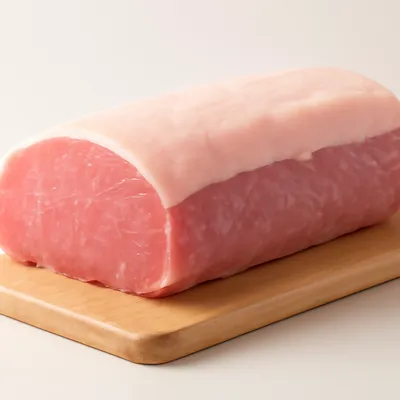






How it's made
7 steps · 55 min active + 4 hours 25 min waiting
- 120 min
Butterfly 800g pork loin in a continuous spiral cut to a single sheet 4mm thick. Lay flat on a board.
- 218 min
Stem and seed 6 guajillo and 4 ancho chiles. Toast on a dry comal 30 seconds per side until fragrant — they should pliable, not crisp. Soak in 400ml hot water 15 minutes until soft.
Watch outToast past 45 seconds and the chiles go bitter — pull at the first wisp of smoke.
- 35 min
Drain chiles (reserve 200ml soak liquid). Blend with 6 garlic cloves, 1 tsp dried oregano, 1 tsp cumin, 60ml white vinegar, 2 tsp salt, and the reserved liquid into a smooth paste — it should coat a spoon thickly.
- 4240 min
Rub the paste thickly into both sides of the pork sheet, working it into every fold. Lay flat on a rack over a tray, cover loosely, and refrigerate 4 hours minimum (overnight is better) — the chile penetrates deep, the surface tackifies.
Watch outSkip the cure time and you get chile-painted pork; the paste needs 4+ hours to drive flavour past the surface.
- 560 min
Hang the sheet at room temperature on a clean rack 1 hour to surface-dry — the paste should set, no longer wet to touch. This is the critical drying step that separates cecina from a marinated chop.
- 65 min
Build a charcoal fire to a thick grey-ash bed at 250°C. Cut the sheet into 20cm pieces. Grill 90 seconds per side — the chile paste blackens to a brick crust at the edges. Pull when centre is just opaque.
Watch outChile paste burns to char fast — you want brick-red, not black. Move pieces to a cooler edge if flames flare.
- 75 min
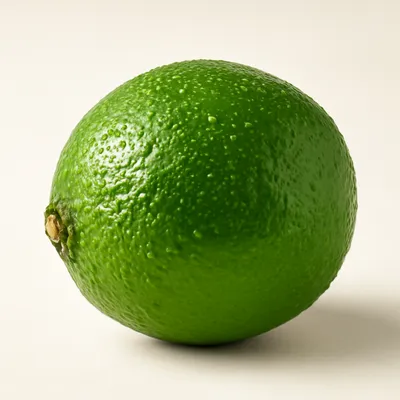
Rest 2 minutes off heat. Slice into thumb-wide ribbons against the grain. Plate with grilled spring onions, a stack of warm tortillas, lime quarters, and frijoles de olla.
Archive tool suggestions — not reviewed
These legacy suggestions have not been evidence-reviewed and are not presented as required tools.
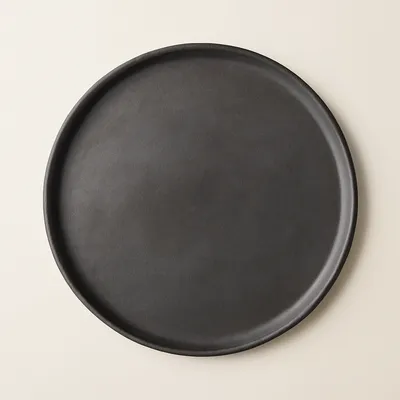
A flat round griddle of steel, cast iron, or unglazed clay, 30-50 cm across, the workhorse of the Mexican kitchen. It sits directly over a flame to toast tortillas (the puff happens in 30 seconds when the heat is right), char chiles for moles, blister tomatoes for salsas, and warm reheated leftovers. Clay comales (especially from Oaxaca) season with each use and impart a faint smoky tang that no metal version can fake.
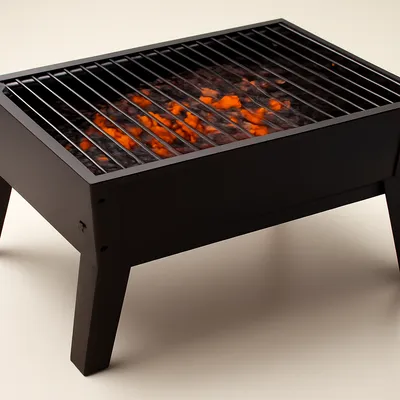
An open or hooded metal frame holding a bed of glowing charcoal embers, with a grate above. Charcoal burns at 700°C+ on the surface and emits short-wave infrared, which cooks proteins faster and with deeper Maillard browning than gas. Hardwood lump charcoal (oak, mesquite, fruitwood) lends its own smoke; cheap briquettes do not. Mastery is mostly heat zoning — direct over coals for searing, indirect off-coals for slow-roasting.


