Traditional Mexican artisanal ice cream (nieve) from Pátzcuaro, Michoacán, made with a hand-cranked churn (garrafa) suspended in a bucket of ice and salt. The signature flavors are local: ate (fruit paste) flavors like guava, quince, and strawberry; tequila; and the famous pasta (a sweet milk flavor). The churn method produces a denser, more crystalline ice cream than modern machine-made versions — the authentic taste of Michoacán's colonial-era ice cream tradition.
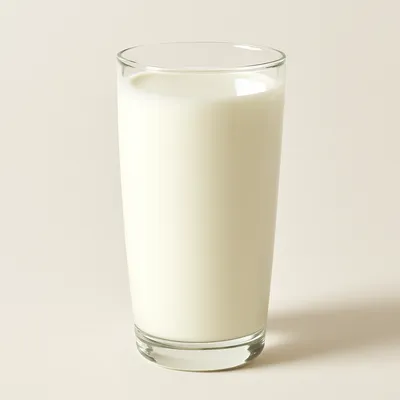


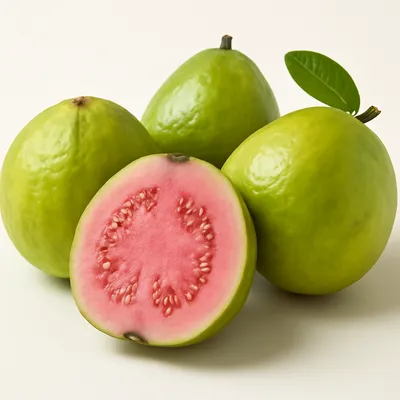
Las nieves de Pátzcuaro are part of Michoacán's long tradition of artisanal ice cream (nieves), introduced to Mexico by the Spanish during the colonial period. Pátzcuaro, a colonial-era town on Lake Pátzcuaro in Michoacán, became a particular center for nieve production. The traditional method uses a garrafa — a metal cylinder filled with the ice cream base, suspended in a wooden bucket packed with ice and salt, and cranked by hand while being turned. This labor-intensive method produces a distinctive dense, crystalline texture. The signature Pátzcuaro flavors include pasta (a sweet milk flavor), tequila, and fruit-ate flavors.
A scoop of nieve de Pátzcuaro is denser and more crystalline than modern ice cream, with a pure, intense flavor. The pasta flavor tastes like sweetened condensed milk with a hint of cinnamon; the tequila flavor is tangy and warming; the fruit flavors are intensely fruity. The texture has a slight grain that is the hallmark of hand-churned ice cream. Eaten in small cups with a spoon, often on warm afternoons.
Nieve de Pátzcuaro's texture depends on the garrafa (hand-churn) method. The ice cream base is placed in a metal cylinder, which is suspended in a bucket of ice and salt. The salt lowers the ice's melting point, creating a brine well below 0°C that surrounds the cylinder. As the cylinder is cranked and turned, the base freezes against the cylinder walls; a scraper removes the frozen layer, mixing it back into the unfrozen base. This slow, manual process produces larger ice crystals than commercial machine-churning (which freezes faster and produces smaller crystals), giving the characteristic dense, slightly grainy texture. The lower overrun (less air incorporation) makes the nieve denser than commercial ice cream.
Variations
Flavors include pasta, tequila, mamey, guava, quince, strawberry, and more; the garrafa method is universal.
On the Palate
Where Nieve de Pátzcuaro sits in the Mexican flavor cloud
Ingredients
Serves 6How it's made
6 steps · 45 min active + 15 min waiting
- 115 min
Prepare the base: for pasta flavor, simmer milk with sugar, cinnamon, and a little cornstarch until slightly thickened; cool. (For fruit flavors, blend fresh fruit with sugar and water.)
- 25 min
Pour the cooled base into a metal garrafa (or a metal bowl).
- 35 min
Place the garrafa in a wooden bucket packed with crushed ice and rock salt.
- 435 min
Crank the garrafa by hand while turning it, scraping the frozen layer from the walls periodically.
Watch outChar everything on the comal until the skins blister and blacken in spots — that char is the salsa's smoky-sweet depth; pale vegetables give a flat, raw-tasting sauce.
- 55 min
Continue for 30-45 minutes until the base has frozen into a dense, crystalline nieve.
Watch outBlend only briefly to keep it chunky and simmer 5-10 minutes to meld — over-blend and it turns to smooth puree, losing the rustic texture.
- 61 min
Scoop into cups; serve immediately with a spoon.
Archive tool suggestions — not reviewed
These legacy suggestions have not been evidence-reviewed and are not presented as required tools.



