A comforting warm drink of masa (corn dough) whisked into milk with cajeta (sweet caramelized goat milk candy) until thick and creamy. Atoles — the family of warm, masa-thickened Mexican drinks — have pre-Hispanic roots; this sweet version with cajeta is a colonial-era adaptation. Eaten (drunk) warm, especially in winter and at Day of the Dead celebrations alongside pan de muerto.
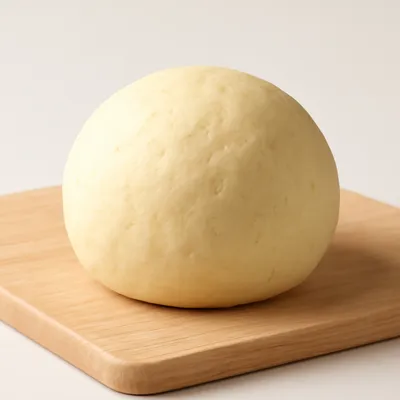



Los atoles are a foundational family of Mexican warm drinks, with pre-Hispanic origins (the Aztecs drank atole, made from masa and water, as a sustaining beverage). The name comes from Nahuatl 'atolli' (watery). With Spanish introduction of milk and sugar, atoles evolved into sweet, creamy versions. Atole de cajeta — using cajeta (the caramelized goat's milk candy from Celaya, Guanajuato) as the sweetener — is one of the most beloved modern versions. The drink is served warm, particularly during Día de Muertos (alongside pan de muerto) and the Christmas posadas.
A mug of atole de cajeta presents a warm, thick, creamy, caramel-colored drink with a glossy surface. The first sip is sweet and rich — the cajeta provides deep caramel and goat-milk tang; the masa gives a soft, porridge-like body. The texture is silky and slightly thick. Eaten (drunk) warm, often alongside pan de muerto or tamales.
Atole de cajeta's character depends on the masa thickening and the cajeta. Corn masa (already nixtamalized and cooked) is dissolved in warm milk; as it heats, the starches gelatinize, thickening the liquid to a porridge-like consistency (the masa's starches absorb water and swell). The cajeta (made by caramelizing goat's milk sugar — Maillard browning producing deep caramel flavors) provides both sweetness and complex flavor. Milk (instead of water, used in pre-Hispanic atoles) provides additional richness and protein. The combination is warming, sustaining, and comforting — atoles were the standard pre-Hispanic breakfast drink, and the cajeta version is a luxurious modern adaptation.
Variations
Some use chocolate (champurrado); fruit atoles (strawberry, guava) exist; the thickness varies by masa ratio.
On the Palate
Where Atole de Cajeta sits in the Mexican flavor cloud
Ingredients
Serves 4How it's made
6 steps · 20 min active + 5 min waiting
- 13 min
Dissolve 3-4 tablespoons of masa harina (or fresh masa) in a cup of cold milk, whisking to remove lumps.
- 28 min
Heat 3 cups of milk in a pot; add the dissolved masa mixture; whisk constantly over medium heat.
- 33 min
Add cajeta (about 1/3 cup) and a pinch of cinnamon; whisk to dissolve.
Watch outWhisk the cajeta in fully so it dissolves smooth — undissolved, it sinks and scorches on the pot bottom.
- 47 min
Continue cooking and whisking until the atole thickens to a creamy, slightly viscous consistency (5-8 minutes).
Watch outWhisk constantly until the atole thickens to a creamy, lightly viscous pour — the masa starch swells to body it; stop whisking and it catches and lumps on the bottom.
- 51 min
Taste and add more cajeta if sweeter is desired; add a pinch of salt.
- 61 min
Pour into mugs; serve warm, dusted with a little cinnamon.
Archive tool suggestions — not reviewed
These legacy suggestions have not been evidence-reviewed and are not presented as required tools.


