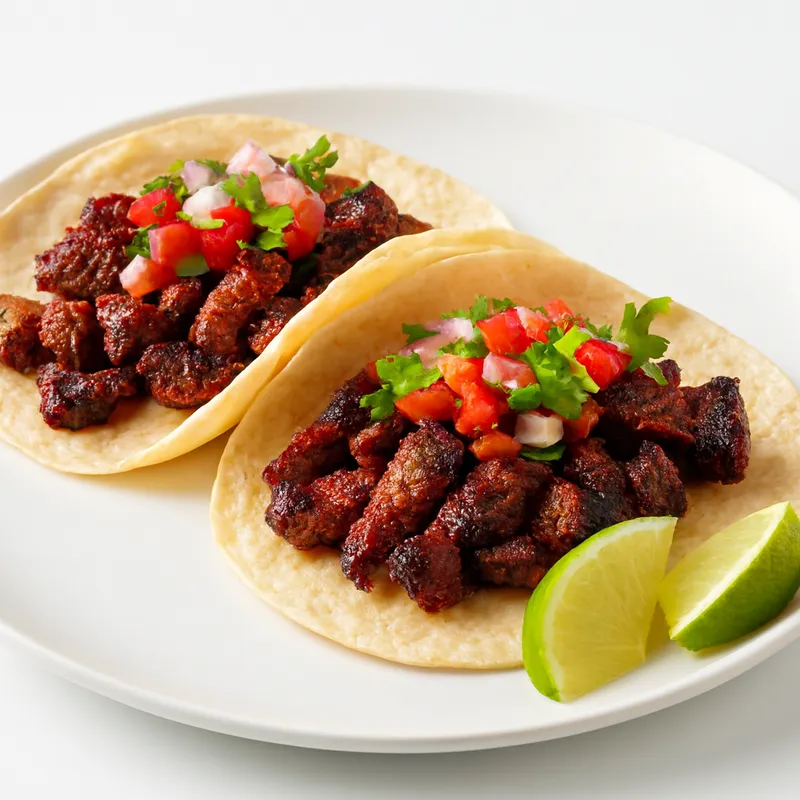
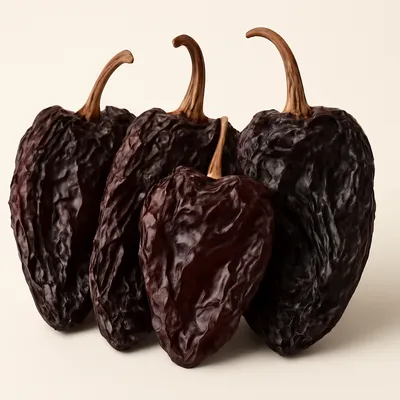
Suckling pig of Chiapa de Corzo, marinated in an adobo of ancho and guajillo chiles, garlic, onion, vinegar, and spices (achiote optional), then wood-roasted until the skin lacquers dark red.
Cochito horneado is the patron-saint dish of Chiapa de Corzo, the colonial town on the Río Grijalva, eaten especially during the January Fiesta de San Sebastián and the Parachicos pageant. The dried-chile-and-vinegar adobo makes it a southern-Mexico cousin of Yucatecan cochinita pibil, but the Chiapas version uses ancho and guajillo (no habanero) and is oven-roasted in earthenware rather than pit-buried in banana leaf.
Patron-saint dish of Chiapa de Corzo, eaten during the January Fiesta de San Sebastián. Bitter-orange acid (~5%) opens channels for achiote's bixin to push past the fat — that's why a real cochito stains pink-orange to the bone.
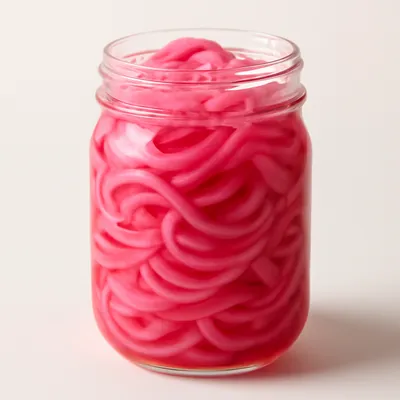
Skin shatters into dark red shards under the knife; underneath the meat is silky and stained pink-orange to the bone from the achiote. Each bite is bitter orange first, then ancho-cinnamon-clove, then sweet pork fat. Pulled into a warm tortilla with a slice of pickled onion and a streak of pasilla salsa, it is the Sunday plate of Chiapa de Corzo. A good cochito has skin you can hear from across the table.
Two things make this dish recognisable. First, the vinegar's acidity partially denatures the surface proteins overnight, opening channels for the chile-adobo's color and spices to penetrate the meat — that is why a real cochito is red and seasoned through, not just on the skin. Second, earthenware roasting holds humidity around the meat for the first long stage, then a final blast at 220°C drives off surface moisture so the skin can crackle in the last 20 minutes.
Variations
Chiapa de Corzo street version is oven-roasted in earthenware with ancho-guajillo paste; Comitán adds more cinnamon and clove; Yucatán's cochinita pibil is the banana-leaf pit-buried cousin with habanero instead of ancho.
On the Palate
Where Cochito Horneado sits in the Mexican flavor cloud
Give the adobo a full overnight cure and roast the meat in two stages: the vinegar-and-chile marinade denatures the surface proteins so color and spice drive deep, then a final blast at 220 度 drives off surface moisture so the skin crackles.
Ingredients
Serves 8






How it's made
6 steps · 1 hour 30 min active + 22 hours 30 min waiting
- 125 min
Toast 6 ancho chiles and 4 guajillo chiles on a dry comal over medium heat 30 seconds per side until fragrant and pliable — do not let them blacken. Stem, seed, and soak in 500ml hot water 20 minutes.
Watch outToast the chiles only until they smell nutty and go bendy; a blackened edge turns the whole adobo bitter.
- 212 min
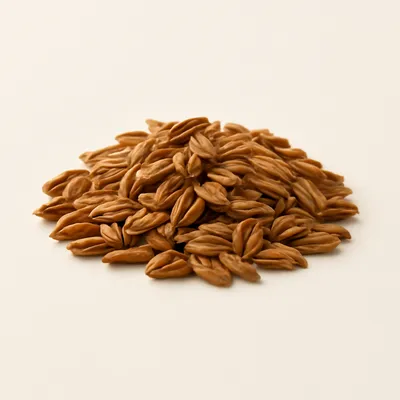
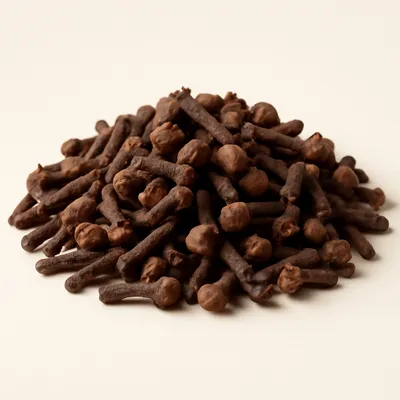
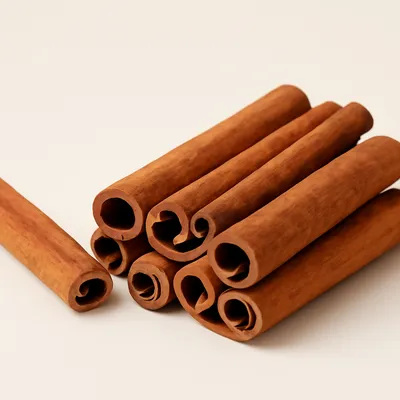
Blend the rehydrated chiles with 80g achiote paste, 8 garlic cloves, 1 tsp cumin seed, 1 tsp Mexican oregano, 6 cloves, 1 stick cinnamon, 250ml bitter orange juice (or 2 parts orange + 1 part lime), 60ml white vinegar, and 2 tsp salt until smooth. Strain through a coarse sieve.
- 320 min
Score the skin of a 5kg suckling pig (or 3kg pork shoulder bone-in) in a 2cm crosshatch. Rub the adobo all over, working into the cuts. Cover and refrigerate 24 hours, turning once.
Watch outLess than 18 hours and the achiote sits on the surface — it needs the long contact to push pigment past the fat layer.
- 410 min
Set the pig skin-up in an earthenware tray on a bed of 2 sliced onions. Pour 250ml of marinade and 200ml water around (not over) the meat. Cover the ears and tail in foil to stop them charring.
- 5150 min
Roast in a wood-fired or conventional oven at 160°C for 2.5 hours, basting every 40 minutes with the pan juices. Cover loosely with foil if the skin darkens past mahogany before the meat is done.
Watch outBaste every 40 minutes and tent with foil if the skin passes mahogany before the meat is fork-tender.
- 635 min
Raise oven to 220°C, uncover fully, roast 15-20 minutes until skin crackles. Rest 20 minutes. Carve and serve over the pan onions with warm corn tortillas, pickled red onion, and salsa de chile pasilla.
Watch outUncover for the final blast and pull it when the skin blisters and crackles crisp, then rest before carving.
Archive tool suggestions — not reviewed
These legacy suggestions have not been evidence-reviewed and are not presented as required tools.