The iconic Sonoran sweet pastry: a large, flat, disc-shaped pastry of wheat-flour dough filled with piloncillo (unrefined cane sugar) and sealed around the edges, baked until golden. Crisp on the outside, gooey and molasses-sweet inside, coyotas are the signature sweet of Sonora, traditionally made in the city of Hermosillo and eaten with coffee or milk. The size and shape vary by baker.


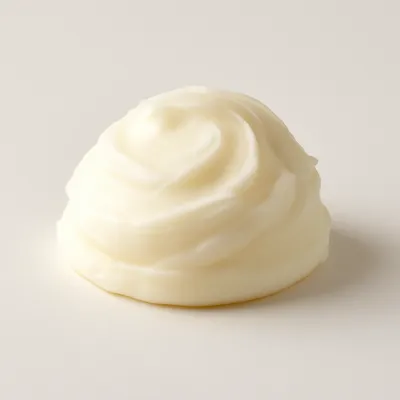
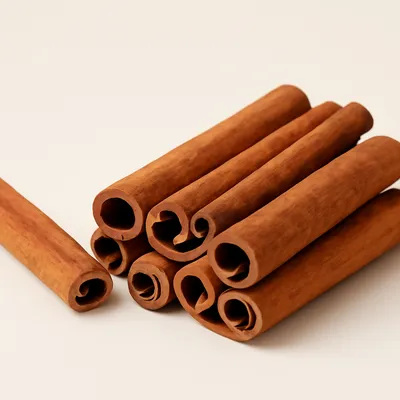


Las coyotas are the iconic sweet pastry of Sonora, particularly associated with the city of Hermosillo. The pastry's name is sometimes said to derive from 'coyote' (the animal), but the etymology is uncertain. The pastry itself combines wheat flour (a Spanish introduction, central to northern Mexican baking) with piloncillo (unrefined cane sugar cones, a colonial-era 常食). The dough is rolled thin, filled with grated piloncillo, sealed into a flat disc, and baked. Coyotas have been made in Sonora for over a century; they remain a regional specialty, sold at bakeries and made at home for special occasions.
A coyota is a flat, palm-sized pastry disc, golden-brown on top, sealed around the edges. The first bite gives crisp, slightly crackly dough; then the inside — a gooey, molasses-dark core of melted piloncillo that oozes out. The flavor is intensely caramel and molasses, with the wheat dough providing a soft contrast. Eaten warm, often dunked in coffee or hot milk.
Coyotas' appeal depends on the dough-to-filling ratio and the piloncillo behavior. The wheat-flour dough (enriched with lard or shortening) is rolled thin; a generous layer of grated piloncillo is spread inside. During baking, the piloncillo melts into a thick, molasses-rich syrup; the dough seals it inside, preventing leaks (the sealed edges are pressed firmly with a fork). The heat caramelizes the piloncillo's sugars, intensifying its flavor. The result is a pastry with a crisp exterior (the dough's surface starches gelatinize and brown) and a molten, molasses-sweet interior — a textural contrast that is the pastry's hallmark.
Variations
Some versions add cinnamon or vanilla to the filling; fig, quince, or guava fillings exist; the size varies from small cookies to plate-sized pastries.
On the Palate
Where Coyotas de Hermosillo sits in the Mexican flavor cloud
Ingredients
Serves 12How it's made
6 steps · 1 hour active + 30 min waiting
- 110 min
Make the dough: combine wheat flour, lard (or shortening), salt, sugar, and a little milk or water; knead smooth; rest 30 minutes.
- 25 min
Grate piloncillo (or process in a food processor) until fine; optionally mix with a little cinnamon.
- 310 min
Roll out the dough thin; cut into 4-5 inch circles.
- 410 min
Place a generous spoonful of grated piloncillo on one half of each circle; fold over; seal edges firmly with a fork.
Watch outSeal the edges firmly with a fork — the piloncillo melts to a runny syrup in the oven, and any weak seam leaks and burns onto the tray.
- 51 min
Place on a baking sheet; prick the tops with a fork to vent.
- 625 min
Bake at 180°C for 20-25 minutes until golden; cool slightly before eating.
Watch outBake until golden — the surface starches crisp and brown while the piloncillo inside turns to a molten molasses centre.
Archive tool suggestions — not reviewed
These legacy suggestions have not been evidence-reviewed and are not presented as required tools.


