
Empanadas de amarillo are tianguis food — the open-air rotating markets that move from town to town across the Oaxaca Valley by day of the week (Tlacolula on Sunday, Etla on Wednesday, Zaachila on Thursday). The mole amarillo inside is one of Oaxaca's seven canonical moles (the mole de los siete moles tradition codified by Diana Kennedy and others in the 1970s). Unlike the 24-ingredient mole negro, amarillo is a working-day mole: a dozen ingredients, a comal, and lunch by 11 a.m.
Tianguis food from the rotating Oaxaca-valley markets (Tlacolula on Sunday, Etla on Wednesday, Zaachila on Thursday). Hoja santa is the regional signature — anise-and-sassafras leaf with anethole and safrole that no other mole uses. Basil and fennel are not substitutes.
Crisp masa shell that cracks open under the fork to release a slow yellow flow of mole — chile-warm, slightly tart from tomatillo, deeply seasoned with hoja santa's anise-pepper note. Shredded chicken adds chew, the masa edge gives starchy contrast. Tianguis-stall food: bought in pairs from a comadre with a flour-dusted apron, eaten standing up with a styrofoam cup of agua de jamaica.
The masa-harina slurry whisked into the mole is the load-bearing thickener — without it the sauce stays watery and runs out the empanada seal. The frying-the-mole step (freír el mole / freír la pasta) is what turns paste into mole: cold paste meets shimmering lard, water flashes off, sugars caramelise, the paste develops the sticky body that gave mole its name (from Nahuatl molli, sauce). Hoja santa is the regional signature: anise-and-sassafras leaf that no other mole uses, and you cannot substitute basil or fennel.
Variations
Tlacolula Sunday market sells the most photographed version; Mercado Sánchez Pascuas in Oaxaca de Juárez runs them weekday mornings; Mitla cooks make a chicharrón-and-amarillo variant for Friday markets.
On the Palate
Where Empanadas de Amarillo sits in the Mexican flavor cloud
Ingredients
Serves 4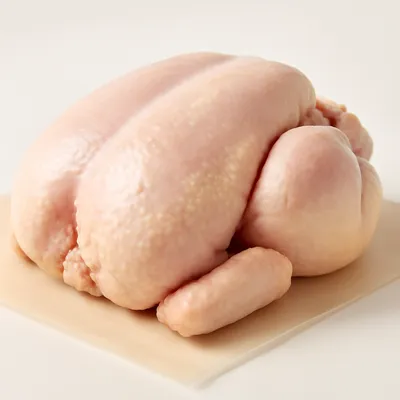




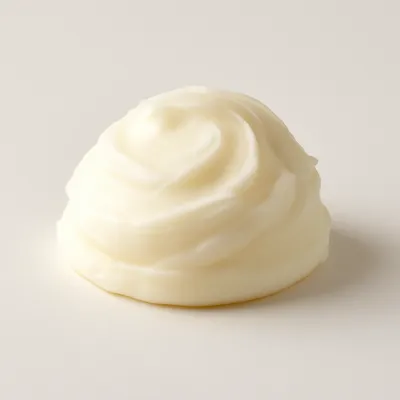


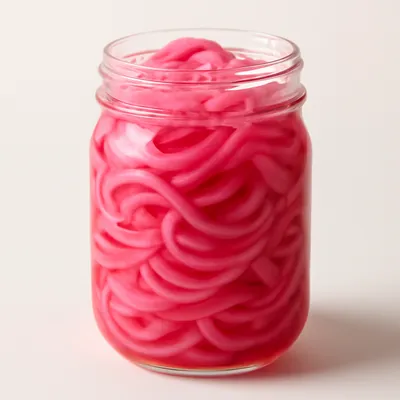


How it's made
8 steps · 1 hour 15 min active + 15 min waiting
- 130 min
Simmer 400g chicken thighs (bone-in) in 1L water with 1/2 onion, 2 garlic cloves, 1 bay leaf, and salt 25 minutes until just cooked. Cool, pull meat into shreds. Reserve 500ml clear stock.
- 220 min
Stem and seed 4 chilcostle chiles (or substitute 4 guajillo + 1 ancho for colour). Toast on a comal 25 seconds per side. Soak in hot water 15 minutes.
- 310 min
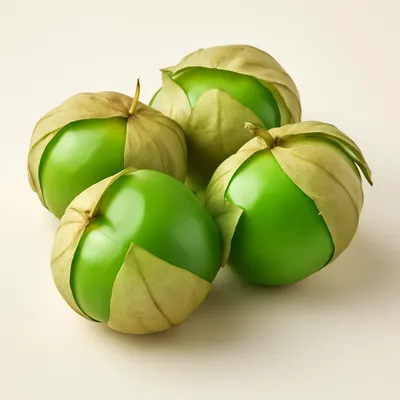
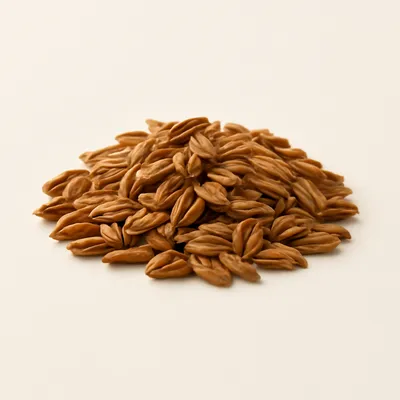
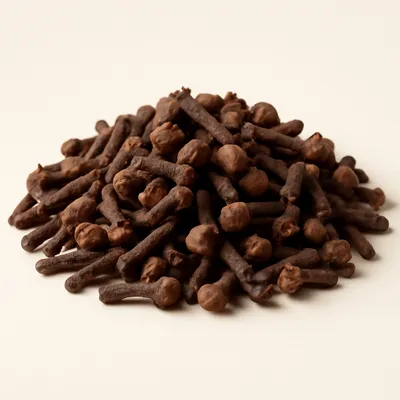
Blend the soaked chiles with 200g chopped tomato, 100g tomatillo, 3 garlic cloves, 1/4 onion, 1/2 tsp cumin, 4 cloves, 6 black peppercorns, and 200ml of the chicken stock to a smooth paste. Strain through a fine sieve.
- 49 min
Heat 30g lard in a cazuela over medium-high. When it shimmers, pour in the strained mole paste — it should sputter aggressively. Stir constantly 8 minutes until darkened and thickened.
Watch outMole amarillo must be fried (the frijole de mole step) — pour cold paste into hot fat or it goes flat and watery.
- 518 min
Whisk 30g masa harina with 100ml cold stock to a slurry. Pour into the mole, stirring fast. Add remaining 200ml stock, drop heat to low, simmer 12 minutes — the mole thickens to a yellow-orange sauce that mounts on a spoon. Stir in 2 sprigs hoja santa (a fragrant peppery leaf) torn into shreds. Add the shredded chicken, simmer 3 more minutes.
- 615 min
Mix 400g masa harina with 320ml warm water and 1 tsp salt to a smooth dough. Rest 10 minutes. Divide into 12 balls of 60g each. Press each between plastic into a 14cm round, 3mm thick.
- 710 min
Place 2 tbsp mole-chicken filling on one half of each round. Fold the other half over to make a half moon. Press the edge firmly with fingertips, then crimp with a fork — air pockets cause blow-outs on the comal.
Watch outFilling must be thick — runny mole soaks the masa edge and the empanada won't seal.
- 88 min
Heat a clay comal over medium until it smokes faintly. Lay empanadas on, cook 4 minutes, flip, 3-4 minutes more — the surface should blister deep gold and the filling sizzle audibly. Eat hot with a side of pickled red onion and a small bowl of extra mole for dipping.
Archive tool suggestions — not reviewed
These legacy suggestions have not been evidence-reviewed and are not presented as required tools.
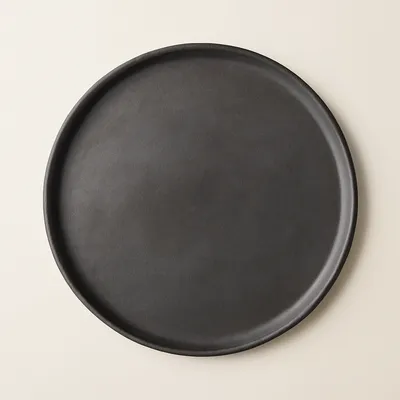
A flat round griddle of steel, cast iron, or unglazed clay, 30-50 cm across, the workhorse of the Mexican kitchen. It sits directly over a flame to toast tortillas (the puff happens in 30 seconds when the heat is right), char chiles for moles, blister tomatoes for salsas, and warm reheated leftovers. Clay comales (especially from Oaxaca) season with each use and impart a faint smoky tang that no metal version can fake.

A round, shallow, glazed terracotta dish, 18-30 cm across with sloping walls, used for tableside-served Spanish tapas — gambas al ajillo, almejas a la marinera, callos, fideuà. Clay's slow heat retention keeps olive oil at the perfect 80-90°C garlic-confit zone for prawns without scorching, and the wide shallow profile lets liquids reduce while keeping protein lightly moored at the bottom.


