
Amarillo is the lightest of the seven Oaxacan moles and the most plainly indigenous in profile — no chocolate, no fried sweets, just chiles, tomatillo, herbs, and masa thickening, all pre-Hispanic ingredients except for chicken. The chilhuacle amarillo is a near-extinct landrace cultivated almost exclusively around San Juan Bautista Cuicatlán in the Cañada region of Oaxaca (within the Tehuacán-Cuicatlán Biosphere Reserve), and the rarest of the three chilhuacles (amarillo/rojo/negro), now kept by only about three families; chilcosle (chilcostle) is its own ancient Oaxacan landrace, grown almost only in the Cañada region — a thin-skinned chile that lends sauces a yellow-orange colour, not a pasilla variant. Amarillo also doubles as a base for tamales de mole amarillo and the wedding stew chichilo's lighter cousin.
The lightest of Oaxaca's seven, no chocolate, no fried sweets — just chiles, tomatillo, masa, and hoja santa added in the last minutes (its volatile safrole burns off in long heat). Chilhuacle amarillo is a near-extinct landrace from Cuicatlán Cañada.
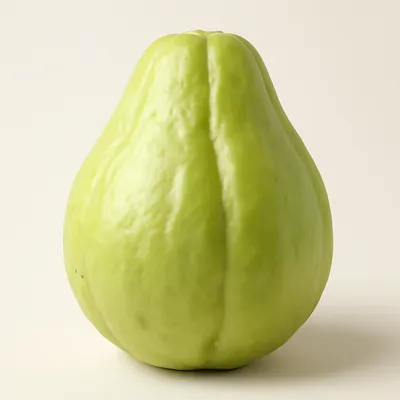
Yellow mole eats more like a stew than a sauce — masa-thick broth coats a spoon but stays bright, almost yolk-yellow with green flecks of hoja santa. First taste is tomatillo tartness, then a low chile warmth, then the anise-mint of hoja santa rising on the back of the palate. Chayote stays slightly crunchy under tender chicken. Lean and herbal where Negro and Rojo are sweet and dense. The benchmark: it should taste savoury-tart first and chile-warm second, not the other way round.
Two mechanics make Amarillo work. First, masa harina is the only thickener — no nuts, no bread, no plantain — so the mole has to be brought to a precise simmer (around 90°C) for at least 12 minutes to fully cook out the raw-corn flavour while letting the starch swell. Under-cooked masa tastes pasty; over-cooked breaks. Second, hoja santa is added in the final minutes only — its volatile safrole compounds cook off in long heat, so a 30-minute simmer kills the aroma the dish is named for.
Variations
Itanoní in Oaxaca de Juárez and the Cuicatlán cooperatives still use chilhuacle amarillo; Tlacolula valley versions add chayote and green beans; the masa-thickened broth doubles as the base for tamales de mole amarillo.
On the Palate
Where Mole Amarillo Oaxaqueño sits in the Mexican flavor cloud
Ingredients
Serves 6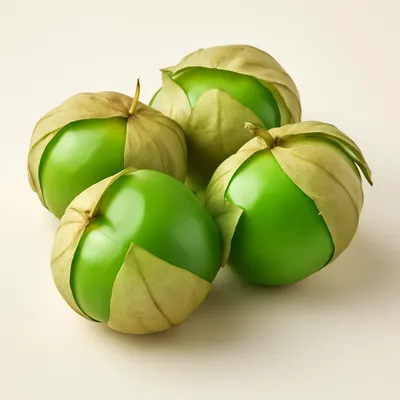









How it's made
8 steps · 1 hour 15 min active + 45 min waiting
- 118 min
Stem and seed 50g chilcosle chiles and 30g chilhuacle amarillo (substitute guajillo + dried yellow Hungarian if unavailable). Toast briefly on a dry comal — yellow chiles burn faster than red. Soak in 800ml hot water 15 minutes.
Watch outYellow-chile pigments break down in 20 seconds at high heat — keep the comal medium and turn constantly.
- 28 min
Husk and rinse 400g tomatillos. Blacken on the comal alongside 4 garlic cloves and 1 chunk white onion, 5 minutes total — surface should char in patches. Reserve.
Watch outTomatillos pop when they char — turn often or you get steam burst.
- 35 min
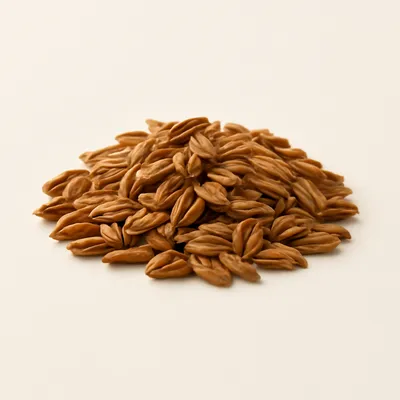
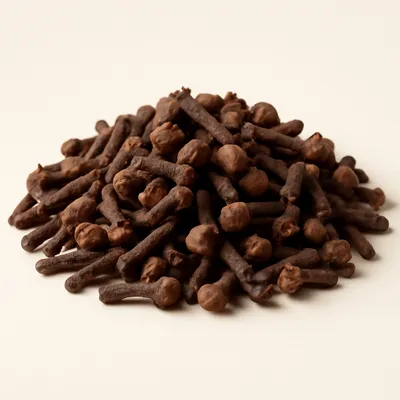
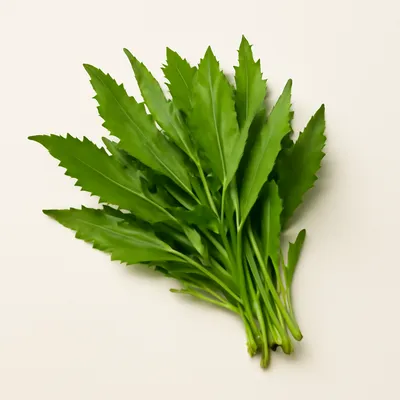
On the comal, toast 1 tsp cumin seed, 6 black peppercorns, 4 cloves, 1 small piece canela. Reserve. Tear 6 hoja santa leaves and 1 small bunch fresh epazote — leave whole.
Watch outHoja santa wilts when added late — keep it raw until the simmer step.
- 410 min
Blend drained chiles, charred tomatillo-garlic-onion, toasted spices, and 300ml chile water until very smooth. Sieve.
- 535 min
Poach 1.5kg chicken pieces in 2L salted water with bay and onion for 30 minutes. Reserve broth. Remove chicken and keep warm.
Watch outSkim grey foam — yellow mole is supposed to look clean and bright, not muddy.
- 612 min
In a heavy pot, heat 40ml lard. Pour the strained paste in and fry 12 minutes until it darkens slightly and oil rises around the edge.
Watch outYellow mole fries faster than red — pull off heat as soon as you see oil separate.
- 730 min
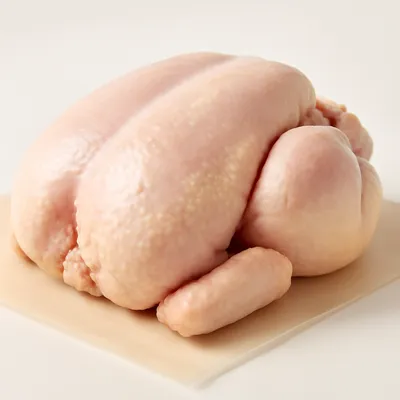
Whisk 60g masa harina into 300ml cool chicken broth until lump-free, then add 1L more broth. Pour into the fried paste, stirring constantly. Simmer 15 minutes until silky and thick enough to coat a spoon. Add 2 chayote, peeled and cut into wedges, and the cooked chicken; simmer 10 more minutes. Add hoja santa and epazote in the last 3 minutes. Salt to taste.
Watch outMasa must be whisked into cool broth or it lumps instantly — never dump into hot pot.
- 85 min
Ladle into bowls, putting a piece of chicken and chayote in each. Serve with chochoyotes (small masa dumplings) if you have them, plus warm corn tortillas.
Archive tool suggestions — not reviewed
These legacy suggestions have not been evidence-reviewed and are not presented as required tools.
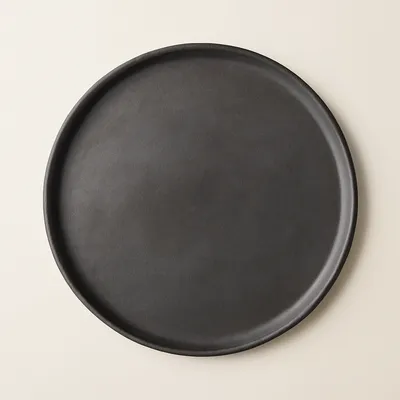
A flat round griddle of steel, cast iron, or unglazed clay, 30-50 cm across, the workhorse of the Mexican kitchen. It sits directly over a flame to toast tortillas (the puff happens in 30 seconds when the heat is right), char chiles for moles, blister tomatoes for salsas, and warm reheated leftovers. Clay comales (especially from Oaxaca) season with each use and impart a faint smoky tang that no metal version can fake.
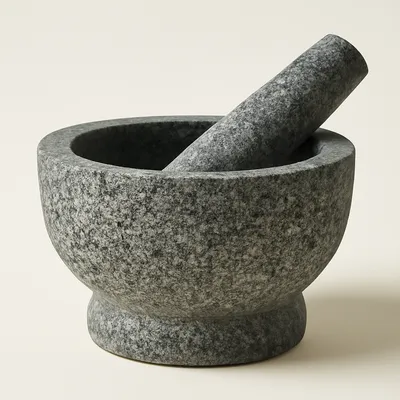
The simplest tool in any kitchen: a heavy bowl and a club to bash things in it. Different cuisines use different stones — Thai cooks pound green papaya in a tall granite mortar (krok hin); pesto Genovese requires the soft-pored Carrara marble; Indian masalas grind down on rough basalt. The bash-don't-cut motion releases volatile oils that a blade keeps sealed in the cell wall.


