Tasajo as a preservation form — beef butchered into thin sheets, salted, sun-dried — exists across Latin America (Brazilian carne-de-sol, Cuban tasajo). The Chiapas version has its own seasoning and, distinctively, is paired with yuca rather than the squash or tortillas of Oaxacan tasajo. The cassava-and-dried-beef pairing reflects the Maya-Caribbean geography of southern Chiapas, where yuca was a staple long before Spanish cattle arrived in the 16th century.
Beef sun-dried to 35-40% of fresh weight — glutamates concentrate so a small amount flavors a whole pot. The yuca pairing reflects southern Chiapas's Maya-Caribbean geography; cassava was a staple long before Spanish cattle arrived in the 1500s.
The tasajo strips are chew-but-pulls-apart, deeply beefy from the cure. Yuca is the surprise — mild, slightly waxy, almost like a denser potato, soaking up the brick-red broth. The chile is layered: guajillo's tartness, ancho's raisin sweetness, árbol's late prickle. Spooned over white rice with a tortilla on the side. A weekday plate in Tuxtla, the kind of food a market cocina económica turns out by 1pm.
The salt-cure has dehydrated the beef proteins to about 35-40% of fresh weight, concentrating glutamates dramatically — that is why a small amount of tasajo flavours a whole pot. The brief soak (30 minutes, two changes) draws out surface salt only; longer leaches out the umami amino acids too. Yuca's role is starch and bulk: it absorbs the salty-spicy broth without fighting the beef's flavour the way a starchier corn or rice would.
Variations
Tuxtla cocina económica plate runs guajillo-ancho-árbol over yuca and rice; Oaxacan tasajo is thinner-cut, grilled, and served with squash; Cuban tasajo aporreado shreds the meat and stews it with tomato and pepper.
On the Palate
Where Tasajo con Yuca sits in the Mexican flavor cloud
Ingredients
Serves 4


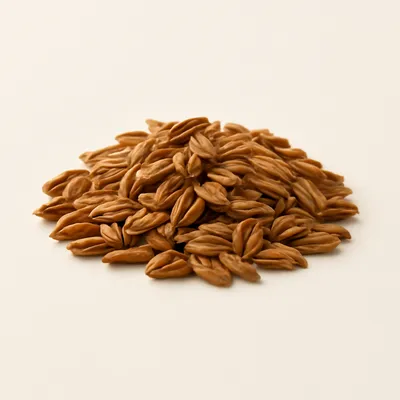
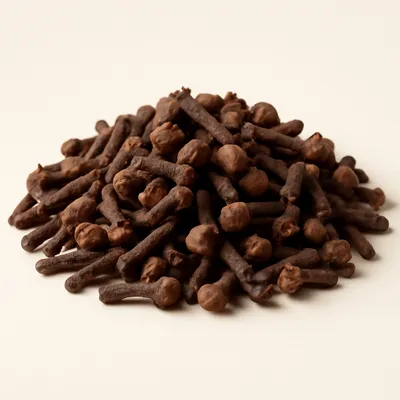
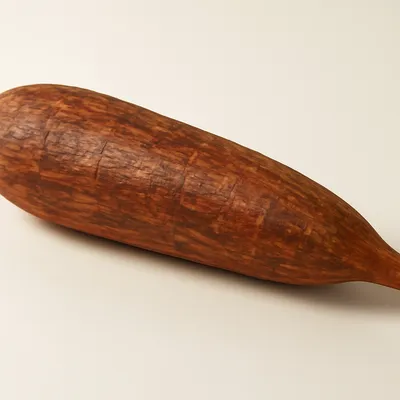




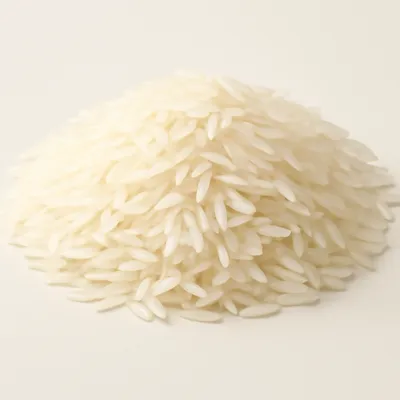




How it's made
6 steps · 50 min active + 40 min waiting
- 132 min
Soak 500g tasajo (Chiapas-style salt-dried beef strips, about 5mm thick) in 2 changes of cold water for 30 minutes total to draw out excess salt. Pat dry; cut into 4cm pieces.
Watch outSkip the soak and the dish is inedibly salty — but soak too long and the beef loses all character. Two changes, 30 minutes, no more.
- 222 min
Toast 4 guajillo chiles, 2 ancho chiles, and 2 chiles de árbol on a dry comal 30 seconds per side. Stem, seed, and soak in 400ml hot water 15 minutes. Blend with 4 plum tomatoes, 1/2 white onion, 3 garlic cloves, 1 tsp Mexican oregano, 1 tsp cumin, 4 cloves, and 200ml of the soaking liquid until smooth. Strain.
- 322 min
Peel 600g fresh yuca (or thawed frozen yuca), cut into 4cm batons, removing the woody central fibre. Boil in salted water 15 minutes until just fork-tender. Drain.
Watch outThe fibrous core of fresh yuca is bitter and tough — pry it out with a knife tip after splitting the baton.
- 48 min
Heat 30ml lard or oil in a heavy pot over medium-high. Sear the tasajo strips in two batches, 2 minutes per side, until edges crisp. Remove.
- 533 min
Pour the strained chile salsa into the same pot, fry hard 8 minutes — it darkens from bright red to brick. Add 600ml beef stock, 1 bay leaf, the seared tasajo, simmer covered 25 minutes.
- 612 min
Add the boiled yuca to the pot, simmer uncovered 10 more minutes for the yuca to soak the salsa and the broth to thicken to coat. Adjust salt cautiously — the tasajo is the salt source. Serve with white rice and warm corn tortillas.
Watch outStir gently — over-stirred yuca disintegrates into starchy mush.
Archive tool suggestions — not reviewed
These legacy suggestions have not been evidence-reviewed and are not presented as required tools.