Jalisco-style red pozole: hominy and pork shoulder simmered in an ancho-guajillo broth, finished at the table with shredded lettuce, radish, oregano, lime, and tostadas.
Pozole's roots are pre-Hispanic — Mexica ritual stew of nixtamalized corn, originally made with turkey or, in disputed historical accounts, human flesh from sacrificial rites (Sahagún's 16th-century chronicles). After the 1521 conquest, pork replaced ritual meat. Jalisco's red version codified in the 19th century around Guadalajara, distinguished from Guerrero's green and Sinaloa's white versions by the ancho-guajillo paste. The Thursday-Saturday tradition stuck because the long cook fits a weekend rhythm.
Pre-Hispanic Mexica ritual stew — Sahagún's 16th-century chronicles record sacrificial-meat versions; pork replaced ritual flesh after 1521. Cacahuazintle corn nixtamalized in calcium hydroxide bursts into a flower bloom — that's the textural signature. Chile paste must be lard-fried before joining the broth.
Each spoonful brings two textures of corn — the ballooning hominy kernel that breaks soft and starchy on the tongue, and the crisp tostada you snap into bites alongside it. The broth is a deep red-brown, sweet from ancho, slightly grassy from guajillo, weighty with pork. You squeeze lime and the whole bowl brightens. The radish gives a peppery snap, the lettuce a cold crunch against the steam. Eaten Thursday and Saturday nights across Guadalajara — the traditional pozole days.
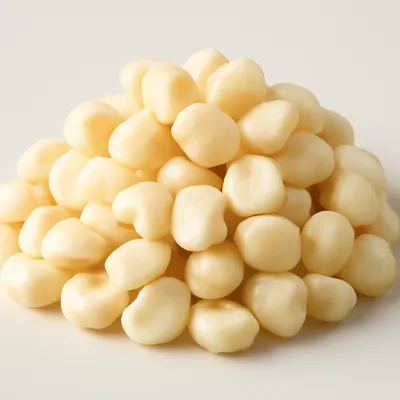
Cacahuazintle is a giant white corn nixtamalized (cooked with calcium hydroxide) which loosens the pericarp so kernels burst into a flower shape during the long boil — that bloom is the textural signature. The chile paste must be fried in lard before it joins the broth; raw chile water tastes thin and rough, but fried chile develops Maillard depth and emulsifies into the fat phase of the broth.
Variations
Guerrero runs green (pozole verde, with pumpkin seed); Sinaloa runs white (no chile paste, broth-clear); Jalisco's red version is the ancho-guajillo standard; Mexico City varies by Thursday-Saturday tradition.
On the Palate
Where Pozole Rojo Jalisciense sits in the Mexican flavor cloud
Fry the toasted chile paste in hot lard before it meets the broth — raw chile water tastes thin and rough, but frying builds Maillard depth and emulsifies the chile into the fat for a glossy, rounded red broth.
Ingredients
Serves 6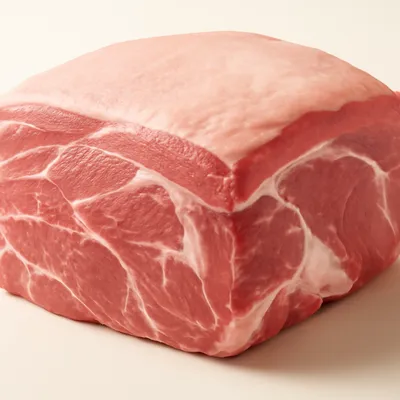










How it's made
7 steps · 1 hour active + 3 hours waiting
- 1110 min
Rinse 500g dried cacahuazintle hominy (large white nixtamalized corn). Cover with cold water in a deep pot, bring to a boil, then simmer 90-120 minutes until each kernel splits open like a flower. Drain, reserve.
Watch outThe corn is ready when each kernel bursts open like a flower — that bloom is the textural signature.
- 295 min
While the corn cooks, simmer 1.2kg pork shoulder + 400g pork neck bones with 1 white onion (halved), 1 head garlic (halved), 2 bay leaves, 1 tbsp salt in 3.5L water. Skim foam for the first 20 minutes. Cook 90 minutes until the meat shreds. Lift out, cool, shred. Strain and keep the broth.
Watch outSkim aggressively early — pozole broth should run clear, not cloudy.
- 34 min
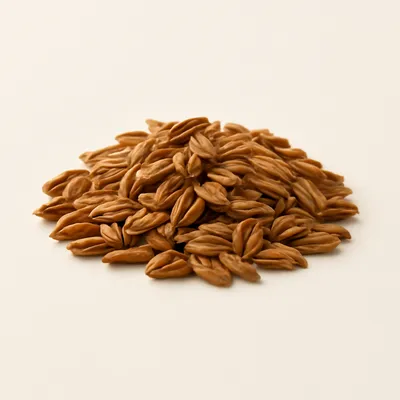
Stem and seed 6 ancho chiles + 6 guajillo chiles. Toast on a dry comal over medium heat, 20-30 seconds per side, until they smell sweet and pliable but not burnt. Burnt chile = bitter pozole.
Watch outPull the chiles at sweet-smelling and pliable, never blistered black — burnt chile means bitter pozole.
- 422 min
Cover the toasted chiles with hot pork broth, soak 20 minutes until soft. Blend with 4 garlic cloves, 1/2 white onion, 1 tsp Mexican oregano, 1 tsp cumin, and enough soaking liquid to make a thick paste. Strain through a sieve to remove skin bits.
Watch outAlways strain — chile skins are leathery and never break down in the soup.
- 58 min
Heat 2 tbsp lard in the now-empty pork pot. Pour the chile paste in (it will splatter — stand back) and fry 8 minutes, stirring, until the colour deepens to a rusty red.
Watch outFry the paste, standing back from the splatter, until it deepens from bright to a rusty red.
- 630 min
Add the cooked hominy, shredded pork, and 2L reserved broth back to the pot. Simmer 30 minutes for the flavours to marry. Adjust salt.
- 75 min
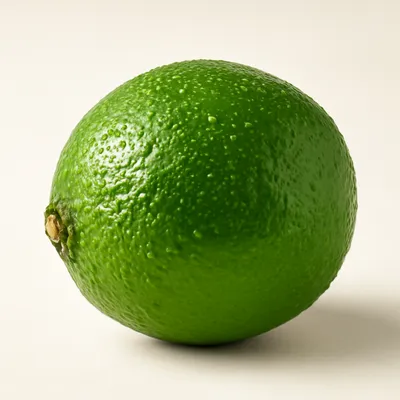
Serve in deep bowls. Pass shredded iceberg lettuce, sliced radish, diced white onion, dried Mexican oregano, lime wedges, dried chile piquín, and tostadas at the table — every diner builds their own bowl.
Watch outLime + radish go in last so the broth stays hot. Tostadas on the side, not in the bowl.
Archive tool suggestions — not reviewed
These legacy suggestions have not been evidence-reviewed and are not presented as required tools.