Albóndigas come into Mexico from Spain, and Spain got them from al-Andalus — al-bunduqa is Arabic for hazelnut, the size meatballs are rolled to. The Mexican version diverges sharply by adding raw rice into the meat (a colonial-era cook's trick to stretch ground meat) and by simmering them in a chipotle-tomato salsa rather than a saffron-almond broth. By the late 19th century albóndigas en chipotle had become a Mexico City home staple, the kind of midweek dish a mother makes when the fridge is thin.
From Spain via al-Andalus — al-bunduqa, Arabic for hazelnut, the size the meatballs were once rolled to. The Mexican fork is raw rice in the meat: as it poaches, starch leaks into the chipotle-tomato salsa and self-thickens the broth without flour.
Brick-red broth with a low chipotle smoke that builds slowly across spoonfuls — sweet at first from the cooked tomato, then warm and lightly numbing at the back of the throat. Cut a meatball with the side of a spoon: the rice has swelled into the meat so the inside looks polka-dotted, and the texture is more open and tender than a bound European meatball. Mint cuts through the smoke. The mark of a good albóndiga: when you bite it, juice runs out and the rice is tender, not crunchy.
The rice inside the meatball is the structural trick. As the ball poaches, the raw grains absorb meat juices and broth from both inside and outside, swelling and gelatinising starch. The released starch leaks slowly into the salsa and thickens it without flour — a self-thickening stew. If you use cooked rice the grains stay closed and the broth stays watery; if you boil too hard the starch dumps out at once and the broth goes gluey.
Variations
CDMX home version uses chipotles en adobo; Jalisco runs a tomato-mint version with no chipotle (albóndigas en caldillo); Sonora skips the rice and uses bread soaked in milk instead, a more Spanish read.
On the Palate
Where Albóndigas en Chipotle sits in the Mexican flavor cloud
Ingredients
Serves 4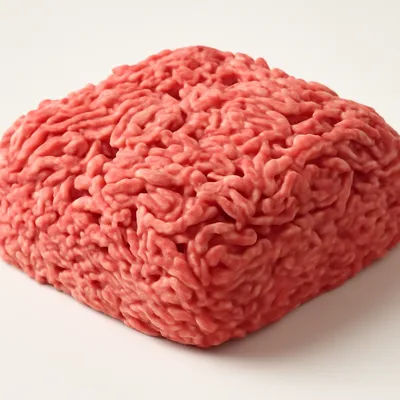










How it's made
6 steps · 35 min active + 40 min waiting
- 125 min
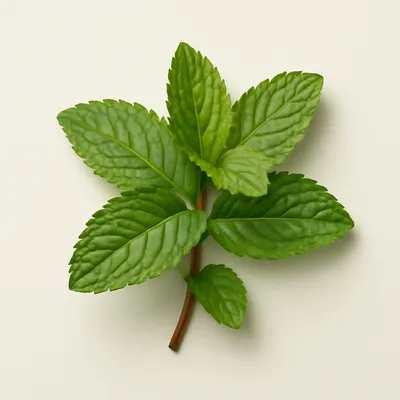
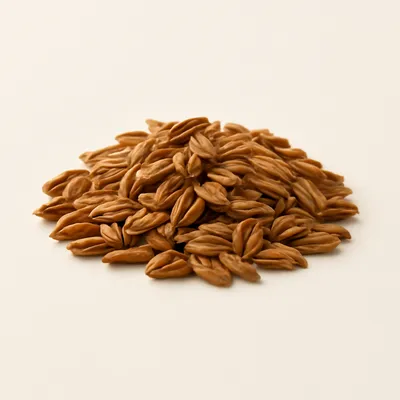
In a bowl combine 500g ground beef (80/20), 60g raw long-grain white rice rinsed, 1 egg, 2 tbsp chopped fresh mint (hierbabuena), 2 tbsp chopped flat parsley, 1 tsp salt, 1/2 tsp cumin. Mix gently with hands just to bind, do not overwork. Roll into 16 walnut-sized balls and rest in the fridge 20 minutes.
Watch outOverworked meat seizes into rubbery balls — fold with fingertips, stop the moment everything coheres.
- 28 min
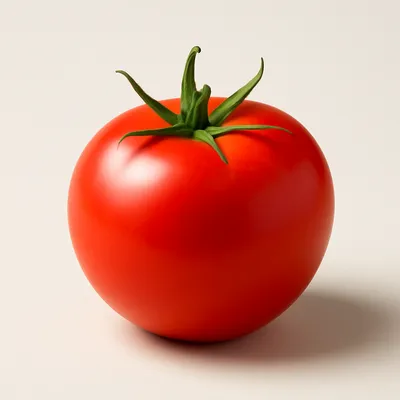
Char 4 ripe roma tomatoes and 1/2 white onion directly on a dry comal or under the broiler 6-8 minutes, turning, until skins blister black in patches. Peel only the worst burnt flecks off the tomatoes; leave the smoky bits.
Watch outDon't peel everything — the burnt skin is the smoke flavour the broth needs.
- 33 min
In a blender combine the charred tomatoes and onion, 2 garlic cloves, 2 chipotles en adobo plus 1 tbsp of their adobo sauce, 1/2 tsp dried Mexican oregano, and 250ml chicken stock. Blend smooth.
- 46 min
Heat 2 tbsp lard or vegetable oil in a wide pot over medium-high. Pour in the salsa through a sieve — it will spit. Fry 5 minutes until it darkens and the colour deepens to brick red.
Watch outFrying the salsa (sofreír la salsa) is the step home cooks skip — without it the broth tastes raw and acidic.
- 535 min
Add 700ml more chicken stock to the pot. Bring to a simmer, season with salt. Slip the meatballs in one by one — they should be just covered. Cover and simmer gently 35 minutes. Do not stir hard for the first 15 minutes or the rice grains poking out will break the balls.
Watch outHard boil cracks the meatballs open and clouds the broth — keep it at a soft tremble.
- 63 min
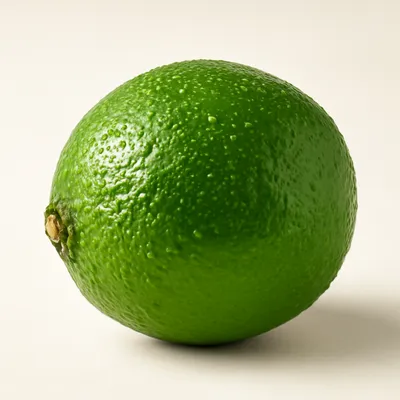
Taste broth, adjust salt and add a teaspoon more adobo if you want more smoke. Ladle 4 meatballs per bowl with plenty of broth. Serve with white rice on the side, warm corn tortillas, and lime wedges.
Archive tool suggestions — not reviewed
These legacy suggestions have not been evidence-reviewed and are not presented as required tools.