
Fried tortilla wedges simmered in a guajillo-pasilla-tomato salsa rojo until just yielding, topped with crema, queso fresco, onion, cilantro, and a fried egg.
Chilaquiles rojos and verdes are sister dishes, both descended from the same use-the-stale-tortilla logic; the name itself comes from Nahuatl chīlaquilli, 'something soaked/covered in chili' (chīl-, chili, + -aquilli, from aqui, to be soaked in). Different regions favor one or the other: the Bajío and central highlands lean rojo with guajillo and pasilla because those chiles are abundant in the dry interior, while Mexico City and Puebla state cafés often feature verdes for the tomatillo of the central valley. Many breakfast menus carry both — verdes/rojos is the standard binary, the way two-egg breakfasts ask scrambled or fried.
Same Nahuatl logic as verdes but with guajillo and pasilla. The strain step is what separates restaurant rojos from home rojos — pushing the blended sauce through a sieve removes tannin-heavy chile skins that read as harsh, while keeping the pectin pulp that gives body.
Where verdes is sharp-bright, rojos is round-deep — guajillo's dried-cherry notes and pasilla's prune-tobacco edge build a darker, fuller flavor. Same dish architecture: chips bending but not soft, crema cooling the heat, raw onion popping through, yolk pulling it all into one bite. Many Mexican breakfast menus list both verdes and rojos side by side; choose by mood, not by hunger. The benchmark is identical — chips that bend on the spoon, snap on the bite.
The strain step is what separates restaurant rojos from home rojos. Guajillo and pasilla skins carry tannins that read as harsh and dry on the tongue if left in the salsa; pushing the blended mix through a sieve removes those skins while keeping the pectin-rich pulp that gives the salsa body. Frying the strained salsa in hot lard (not just warming it) Maillards the sugars in the chiles and tomato, deepening the color from rust to brick. The chip-window mechanism is identical to verdes: 60-90 seconds.
Variations
Bajío and central highlands lean rojo because guajillo and pasilla are abundant in the dry interior; Mexico City cafés serve verdes and rojos side-by-side as breakfast binary; divorciados plates one half each, separated by a band of refried beans.
On the Palate
Where Chilaquiles Rojos sits in the Mexican flavor cloud
Ingredients
Serves 4










How it's made
6 steps · 25 min active + 10 min waiting
- 112 min
Cut 12 day-old corn tortillas (~250g) into sixths. Fry in 250ml oil at 180°C, 90 seconds to 2 minutes per batch, until golden and crisp. Drain on paper towels, salt while warm.
- 212 min
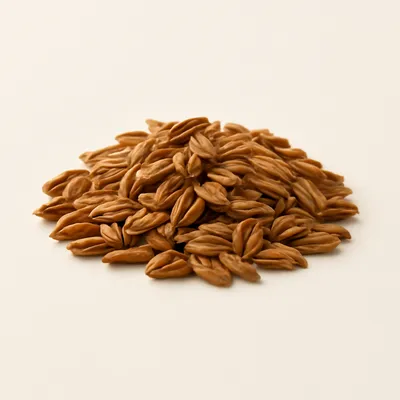
Stem and seed 4 dried guajillo chiles and 2 dried pasilla chiles. Toast on a dry comal 8-10 seconds per side until they puff and smell warm — do not let them blacken. Soak in 400ml hot water 10 minutes.
Watch outBurnt guajillos make the entire salsa bitter — the moment the aroma changes from dry-papery to warm-toasty, pull them off.
- 38 min
Char 3 ripe tomatoes, 1/2 white onion, and 3 unpeeled garlic cloves on the same comal until skins are blackened in patches — about 8 minutes. Peel garlic.
- 43 min
Drain the chiles (reserve 200ml soak water). Blend chiles, tomatoes, onion, garlic, 1 tsp Mexican oregano, 1/2 tsp cumin, 1.5 tsp salt, and 200ml soak water until smooth. Strain through a medium sieve to catch chile skins — the salsa should be silky.
Watch outSkipping the strain leaves bitter chile-skin fragments in the salsa — push the purée through with a ladle, discard solids.
- 55 min
In a wide skillet, heat 2 tbsp lard over medium-high. Pour in the strained salsa — it should sputter loudly. Fry 4-5 minutes, stirring, until it darkens to brick red and a sheen of fat appears at the edges. Loosen with 100ml chicken stock to a coating consistency.
- 64 min
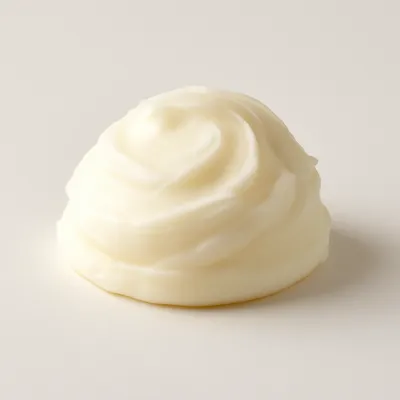
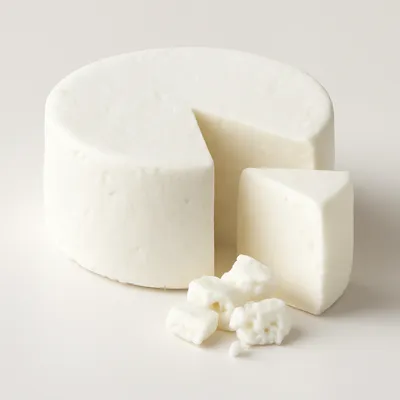
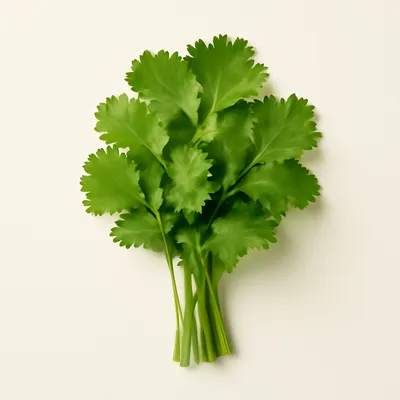
Add totopos, toss gently 60-90 seconds, then plate immediately. Top each portion with 1 tbsp crema, 15g crumbled queso fresco, sliced raw white onion, chopped cilantro, and a fried egg. Serve with refried beans and eat fast.
Watch outSame window as verdes — past 90 seconds the chips collapse. Pull early.
Archive tool suggestions — not reviewed
These legacy suggestions have not been evidence-reviewed and are not presented as required tools.
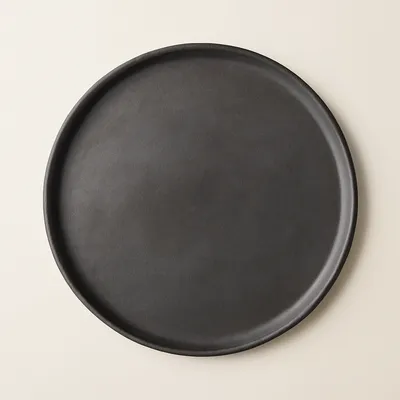
A flat round griddle of steel, cast iron, or unglazed clay, 30-50 cm across, the workhorse of the Mexican kitchen. It sits directly over a flame to toast tortillas (the puff happens in 30 seconds when the heat is right), char chiles for moles, blister tomatoes for salsas, and warm reheated leftovers. Clay comales (especially from Oaxaca) season with each use and impart a faint smoky tang that no metal version can fake.
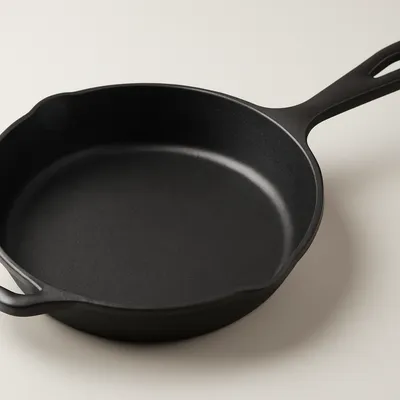
A heavy, single-piece cast iron pan, 25-30 cm across, weighing 1.5-2.5 kg. Once preheated, the thick mass holds 230°C+ even when a cold steak hits the surface — that's the secret to a deep crust. A well-seasoned skillet (multiple thin layers of polymerized oil baked into the iron) is essentially nonstick, gets better with use, and lasts a century. Lodge skillets from Tennessee have been in continuous production since 1896.


