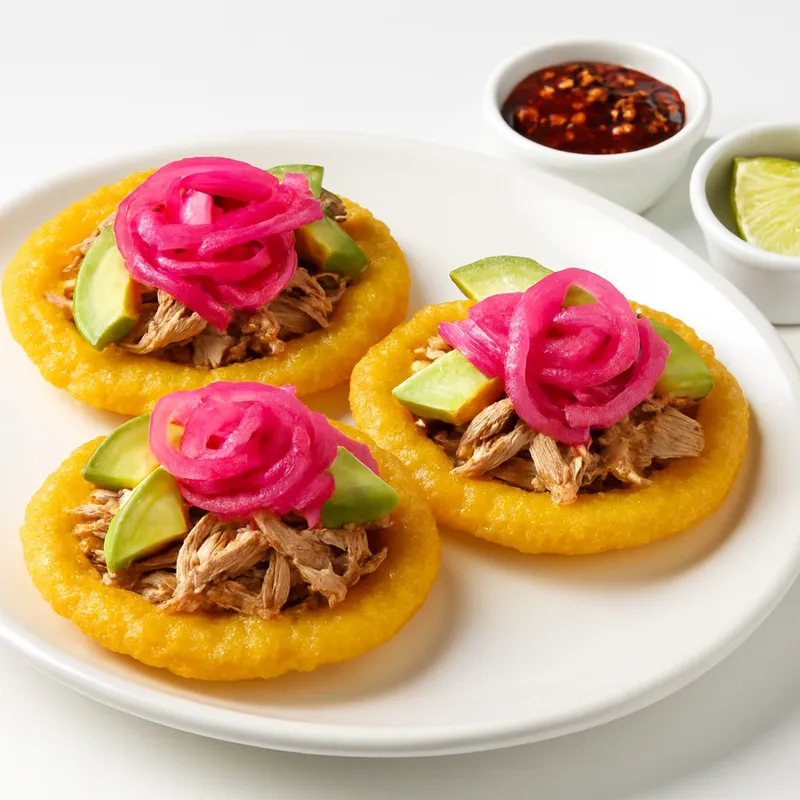
The name pambazo comes from pan basso — the «low-grade bread» originally made for the working class in colonial Mexico (the pambacerías that baked it were concentrated in Mexico City), dusted with a fine flour bloom that distinguished it from white bourgeois bread. Different states evolved different forms; the Mexico City pambazo (guajillo-dipped, chorizo-potato, fried) is the version that became iconic at street stalls, evening fairs, and ferias patronales. It is associated with verbenas — local saints' day evenings — and rarely eaten before dark.
Name from pan basso, the colonial-era «low-grade bread» dusted with flour bloom to mark it off from white bourgeois loaves. The CDMX version (guajillo dip, chorizo-potato, fried) is verbena food — saint's-day evenings, never before dark. Roll wet under 4 seconds, oil at frying-egg temp, 90 seconds a face.
First impression: a bread sandwich whose crust has gone red, slightly tacky, faintly chile-sweet from the guajillo bath. Bite in — chorizo grease and crisped potato crumble together, the cool tang of crema and crumbly cotija salt cutting back. The pan-fried crust is the signature; without that step, you have a sloppy joe with red-soaked toast. The eater always ends with reddened fingers — pambazo is a deeply messy snack.
Pambazo is one of the few sandwiches where the bread is actively sauced, not just held a sauce. The guajillo dip-then-fry creates a Maillard-and-pectin crust that is structurally crisp on the outside but fully sealed against the wet filling. If you dip too long, the crumb wets through and the roll collapses in the pan. If you fry too cold, the bread soaks oil and turns greasy. The sweet spot: roll wet for under 4 seconds, oil at frying-egg temperature, 90 seconds per face.
Variations
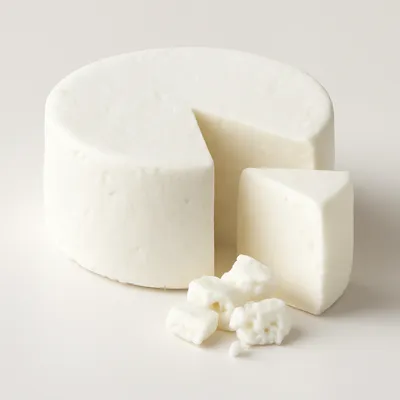
CDMX classic (chorizo + potato + guajillo dip); Veracruz (jarocho) pambazo skips the chile bath entirely — a white roll spread with refried beans and filled with chorizo, queso fresco and lettuce, dressed with chipotle adobo (some areas use sweet mole poblano instead); Puebla version adds tinga as filling alongside the chorizo.
On the Palate
Where Pambazos sits in the Mexican flavor cloud
Ingredients
Serves 4

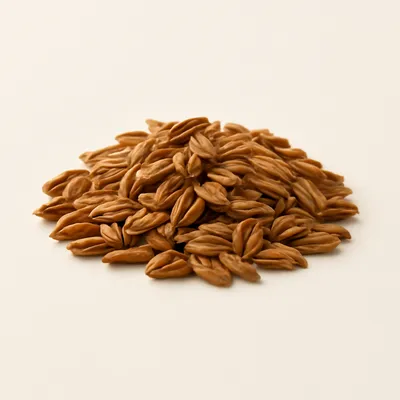


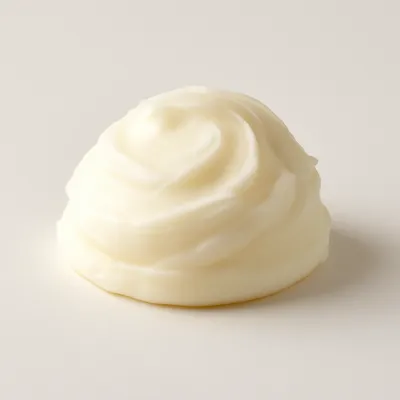
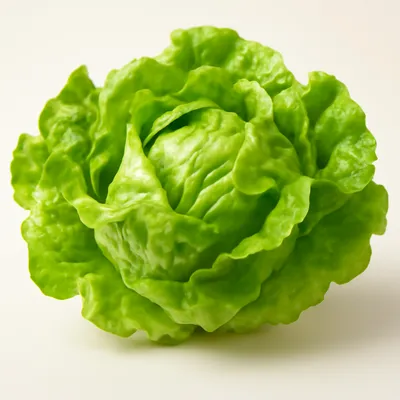



How it's made
5 steps · 40 min active + 20 min waiting
- 113 min
Make the guajillo dip: stem and seed 6 dried guajillo chiles. Toast them flat on a dry comal 30 seconds per side until they balloon and smell of dried fruit, then drop into 400ml hot water with 2 garlic cloves and 1/4 onion, simmer 10 minutes until pliable.
Watch outToast past 30 seconds and the chiles char bitter — pull at first puff.
- 25 min
Blend the soaked chiles with 200ml of their soaking water, garlic, 1/2 tsp cumin, 1 tsp white vinegar, 1 tsp salt. Strain through a sieve into a wide shallow dish — the dip should coat a spoon thinly, like watery tomato sauce. Adjust water if needed.
- 316 min
Make filling: dice 400g waxy potatoes into 1cm cubes, boil 7 minutes until just tender, drain. In a hot pan, crumble in 250g raw Mexican chorizo (not Spanish — different beast: Mexican is paprika-vinegar-loose), cook 5 minutes breaking up. Add potatoes, fry 4 more minutes until potatoes pick up red oil and crisp at the edges.
Watch outMexican chorizo loses 30% volume in fat; don't add oil to the pan, the chorizo provides it.
- 48 min
Heat 30ml lard or vegetable oil in a wide skillet over medium. Take 4 pambazo rolls (or substitute soft white sandwich rolls 12cm long), dip each whole roll into the chile sauce just enough to wet the entire crust — don't soak, dip-and-flip — and lay in the pan. Pan-fry 90 seconds per side until the crust is set, sticky-red, and faintly crisp.
Watch outIf the bread soaks more than 4 seconds it falls apart in the pan; the dip is fast — wet, lift, in the oil.
- 53 min
Split the fried rolls horizontally without separating fully. Stuff with chorizo-potato filling, top with shredded lettuce, a generous drizzle of crema, and a thick crumble of queso fresco. Close, press lightly. Serve immediately with pickled chiles on the side.
Archive tool suggestions — not reviewed
These legacy suggestions have not been evidence-reviewed and are not presented as required tools.
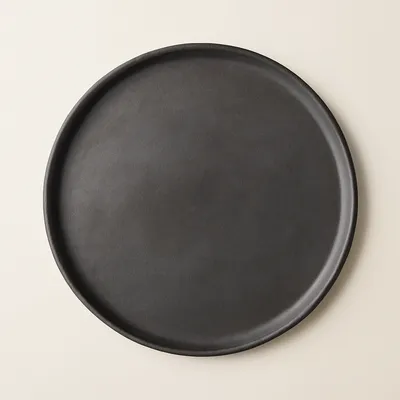
A flat round griddle of steel, cast iron, or unglazed clay, 30-50 cm across, the workhorse of the Mexican kitchen. It sits directly over a flame to toast tortillas (the puff happens in 30 seconds when the heat is right), char chiles for moles, blister tomatoes for salsas, and warm reheated leftovers. Clay comales (especially from Oaxaca) season with each use and impart a faint smoky tang that no metal version can fake.
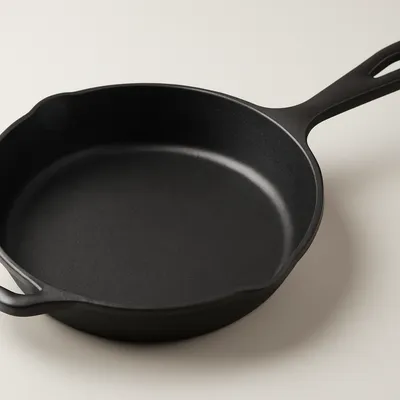
A heavy, single-piece cast iron pan, 25-30 cm across, weighing 1.5-2.5 kg. Once preheated, the thick mass holds 230°C+ even when a cold steak hits the surface — that's the secret to a deep crust. A well-seasoned skillet (multiple thin layers of polymerized oil baked into the iron) is essentially nonstick, gets better with use, and lasts a century. Lodge skillets from Tennessee have been in continuous production since 1896.