
Oval thick masa cakes stuffed with refried beans or fava, cooked dry on a comal, then topped with sautéed nopales, salsa verde, queso fresco, and crema.
Tlacoyos predate the conquest — the name is Nahuatl (tlahtlaoyoh), and the form appears in the Florentine Codex as a Mexica street food. They are still made and sold almost exclusively by indigenous women, often Otomí or Mazahua, who set up a comal on a CDMX corner with a basket of pre-pressed masa and a clay pot of beans. Outside the capital the same dish is called tlatloyos or clacoyos depending on the village.
Pre-conquest Nahuatl street food (tlahtlaoyoh, in the Florentine Codex) still sold almost only by Otomí and Mazahua women on CDMX corners. Bean filling has to be drier than refried — too wet and the masa splits on the comal.
A football-shaped masa cake, comal-charred outside and pillow-soft inside, the bean centre revealed only when you bite — first earthy beans, then bright tomatillo salsa, then the salt-tang of queso fresco. Eaten standing, on a corner of CDMX, from a square of waxed paper. A street tlacoyera's masa is paper-thin around the bean; a clumsy one has more masa than filling and tastes cardboard-y.
The dish hinges on two technical points. First: the bean filling must be drier than you think — Mexican refried beans for tlacoyos are mashed and cooked back down until they hold a shape on the spoon, otherwise the masa splits in cooking. Second: nopales release a slimy mucilage when boiled; the post-boil dry-pan toss is what evaporates the slime so the topping stays crisp instead of gluey on the cake.
Variations
CDMX street tlacoyera does fava (haba) and requesón; Hidalgo runs them with chicharrón prensado; Estado de México villages call them tlatloyos and leave them ungarnished, to be eaten with salsa borracha.
On the Palate
Where Tlacoyos sits in the Mexican flavor cloud
Ingredients
Serves 4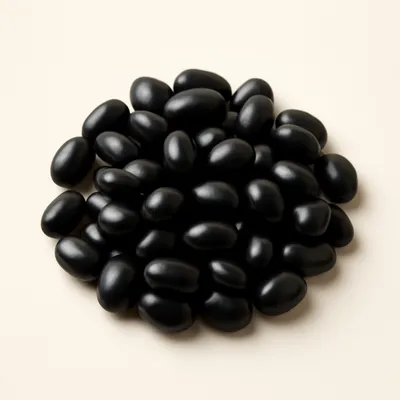





How it's made
6 steps · 35 min active + 15 min waiting
- 112 min
Make the bean filling: warm 250g cooked black or pinto beans (slightly drained) in a pan with 2 tbsp lard or oil and 1/4 small onion, mash to a thick paste over medium-low heat 6-8 minutes until it pulls from the pan. Cool until firm enough to scoop.
Watch outFilling must be thick — runny beans split the masa as you press.
- 218 min
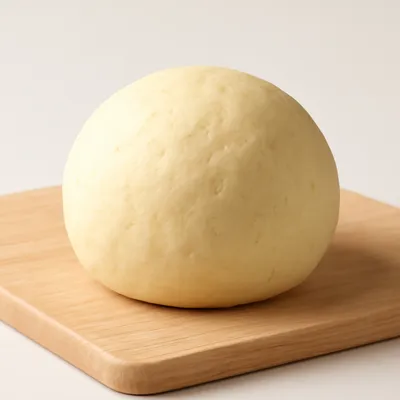
Mix the masa: combine 300g masa harina with 350ml warm water and 1/2 tsp salt. Knead 3 minutes until it has the texture of soft Play-Doh — a pinch should bend, not crack. Rest covered 15 minutes.
Watch outIf masa cracks at the edges when you press it, splash in another 1-2 tbsp water and re-knead.
- 312 min
Form tlacoyos: roll a 70g ball of masa, flatten between two sheets of plastic into a 12cm round. Place 1 tbsp bean paste in the centre, fold the masa over and pinch closed into a sealed log, then press the log into a flat oval about 14cm long, 7cm wide, 1cm thick. Repeat for 8 tlacoyos.
Watch outEdges must be sealed — bean paste leaking onto the comal burns and tears the masa.
- 410 min
Heat a comal or heavy cast-iron griddle over medium-high until a drop of water dances. Cook tlacoyos dry, no oil, 4 minutes per side. Surface should pick up dark mottled spots; the masa whitens and feels firm to the press. Keep cooked tlacoyos warm in a tortilla cloth.
Watch outToo low and they steam soggy — wait for the comal to be hot enough that the first side sets in 30 seconds.
- 510 min
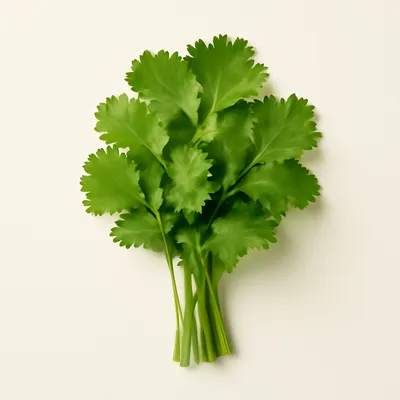
Sauté toppings: dice 200g cleaned nopales (cactus paddles), boil 5 minutes in salted water with 1/2 onion, drain well. Toss in a hot dry pan 3 minutes to dry off the slime, then mix with chopped tomato, onion, coriander.
Watch outWet nopales drag the topping into a slick — the dry-pan toss is what kills the mucilage.
- 63 min
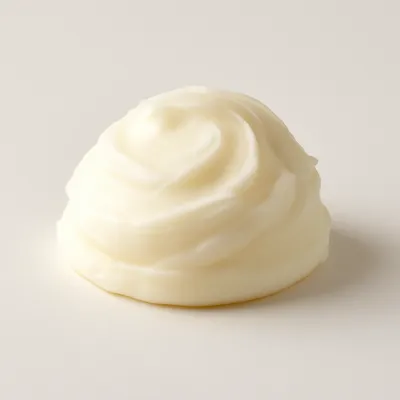
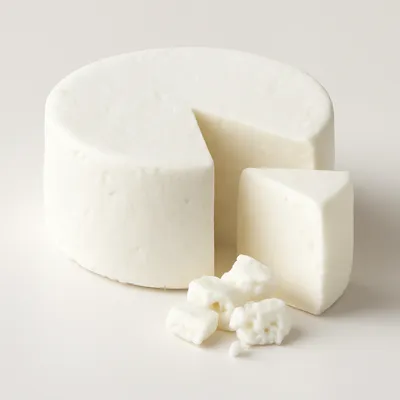
Assemble: smear each warm tlacoyo with a dab of bean paste if you have extra, mound on the nopales, spoon over salsa verde, crumble queso fresco on top, drizzle with crema. Eat by hand, immediately.
Archive tool suggestions — not reviewed
These legacy suggestions have not been evidence-reviewed and are not presented as required tools.
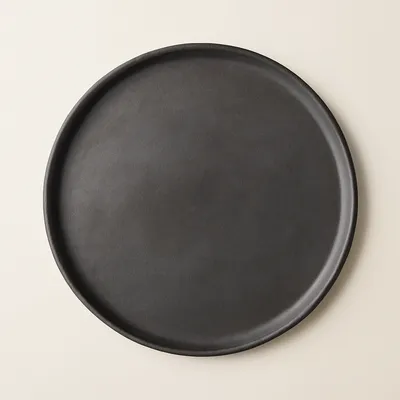
A flat round griddle of steel, cast iron, or unglazed clay, 30-50 cm across, the workhorse of the Mexican kitchen. It sits directly over a flame to toast tortillas (the puff happens in 30 seconds when the heat is right), char chiles for moles, blister tomatoes for salsas, and warm reheated leftovers. Clay comales (especially from Oaxaca) season with each use and impart a faint smoky tang that no metal version can fake.
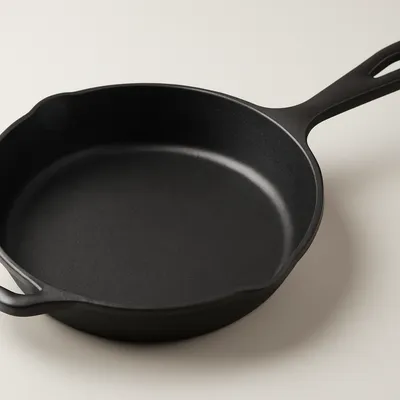
A heavy, single-piece cast iron pan, 25-30 cm across, weighing 1.5-2.5 kg. Once preheated, the thick mass holds 230°C+ even when a cold steak hits the surface — that's the secret to a deep crust. A well-seasoned skillet (multiple thin layers of polymerized oil baked into the iron) is essentially nonstick, gets better with use, and lasts a century. Lodge skillets from Tennessee have been in continuous production since 1896.

A round-bellied unglazed clay pot, 1.5-3 liters, with a domed lid and side handles, used for slow-cooking Chinese soups, claypot rice (煲仔饭), and stews. The clay's high porosity diffuses heat slowly so soups never come to a violent boil — flavor develops over 2-3 hours of low simmer. Cantonese claypot rice gets its prized crispy bottom (锅巴) from the same direct-flame stovetop heat that would crack a less robust pot.


